
How Chaff Leads to Reel Fore-Aft Hydraulic Cylinder Fail?
Chaff damages these seals fast because its abrasive, microscopic fibers infiltrate the wiper seal, creating friction and scoring the rod surface during every stroke. You are likely familiar with the frustration of seeing hydraulic fluid dripping from your combine harvester’s header in the middle of a tight harvest window. This unexpected downtime does more than just delay your work; it threatens your profitability and puts undue stress on your equipment’s longevity. By understanding why reel fore-aft hydraulic cylinder fail under the pressure of organic debris, you can take control of your maintenance schedule and prevent costly mid-season repairs.
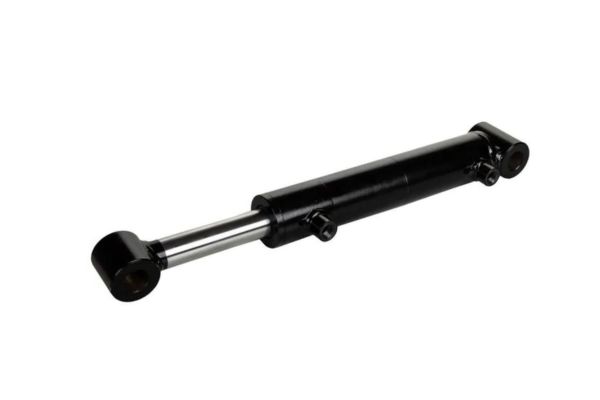
What Is the Role of Reel Fore-Aft Cylinder Seals?
These seals allow the combine operator to adjust the reel position horizontally for optimal crop feeding into the header. By maintaining a tight internal pressure boundary, reel fore-aft cylinder seals ensure that the reel moves smoothly and holds its position even under the heavy weight of the crop.
Without these components functioning correctly, your header loses its precision. Consider this: the constant adjustment required for different crop heights and densities puts these cylinders through thousands of cycles per day.
Precision Horizontal Movement
The fore-aft adjustment is critical for managing different crop conditions, such as downed or tangled stalks. Hydraulic pressure must be consistent to prevent the reel from “drifting” forward or backward during operation.
Load Bearing and Stability
The weight of the reel assembly exerts significant force on the cylinder rod and its internal seals. These components must withstand:
- High static pressure during transport.
- Dynamic pressure spikes during header engagement.
- Lateral forces caused by uneven terrain.
Understanding how these parts support the entire feeding system helps you appreciate their vulnerability. Here is a summary of the primary functions these seals support within the harvester assembly.
| Component Part | Primary Function | Performance Impact | |
|---|---|---|---|
| Rod Seal | Prevents fluid leakage | Maintains system pressure | |
| Wiper Seal | Excludes external debris | Protects internal rod surface | |
| Piston Seal | Separates fluid chambers | Ensures controlled movement |
Why Does Chaff Pose a Threat to Hydraulic Seals?
Chaff contains high levels of silica and tough organic fibers that act like sandpaper against soft elastomer components. Even though reel fore-aft cylinder seals are designed for heavy-duty use, the microscopic nature of crop dust allows it to bypass standard defenses.
The organic material becomes even more dangerous when it mixes with leaked hydraulic fluid. This creates a grinding paste that wears down the sealing lip much faster than clean operation would allow.
Abrasive Nature of Crop Residue
Crop residue is surprisingly hard on a molecular level, especially in crops like wheat or soybeans. Here is why: the silica content in the husks provides a structural rigidity that is highly abrasive to rubber and polyurethane.
Chemical and Biological Degradation
Beyond physical wear, organic matter can trap moisture against the seal. This can lead to:
- Hydrolysis in certain seal materials.
- Fungal growth that degrades seal integrity.
- Rapid oxidation of the cylinder rod surface.
Protecting your machinery from these microscopic threats is the first step toward long-term reliability. Look at this comparison of how different debris types interact with your hydraulic system.
| Debris Type | Main Characteristic | Damage Potential | |
|---|---|---|---|
| Fine Chaff | Microscopic / Abrasive | High (Seal Infiltration) | |
| Large Straw | Structural / Rigid | Medium (Wiper Damage) | |
| Dust/Dirt | Granular | High (Rod Scoring) |
How Does Abrasive Debris Enter the Cylinder?
Debris hitches a ride on the extending rod and bypasses the wiper seal during the retraction phase of the cycle. While reel fore-aft cylinder seals include a “wiper” or “scraper” designed to clean the rod, fine chaff can become trapped under the lip.
Once a small amount of debris gets under that first line of defense, it creates a gap. Think about it: once that gap exists, every subsequent stroke of the cylinder pulls more contaminants into the secondary sealing area.

The Role of the Wiper Seal
The wiper is your first line of defense, but it is not infallible. If the wiper becomes brittle due to UV exposure or heat, its ability to maintain contact with the rod diminishes significantly.
Rod Scoring and Fluid Film
A perfectly smooth rod actually carries a microscopic film of oil that lubricates the seal. However, chaff can:
- Scratch the chrome plating of the rod.
- Create “channels” for oil to escape.
- Trap grit that continuously wears the internal rod seal.
Managing the cleanliness of the rod surface is essential for preventing the ingress of harmful particles. The table below outlines the primary pathways for contamination.
| Entry Path | Mechanism | Risk Level | |
|---|---|---|---|
| Rod Retraction | Vacuum pull of debris | Extreme | |
| Damaged Wiper | Physical gap creation | High | |
| Fluid Leaks | Attracts and holds dust | High |
Can Chaff Cause Immediate Seal Failure?
While usually a gradual process, high concentrations of chaff can shred a seal in a single heavy shift under specific conditions. If reel fore-aft cylinder seals are already aged, the introduction of thick, dry crop residue can provide the final blow.
This sudden failure often happens when a large “slug” of debris is forced past the wiper. Note this: the resulting leak isn’t just a drip; it can become a spray that shuts down your entire operation.
Critical Failure Points
A seal doesn’t always fail by wearing down; sometimes it tears. When a piece of straw or a hard seed pod gets wedged, the movement of the cylinder can rip the sealing lip away from its housing.
Pressure Spikes and Contamination
When contaminants are present, the internal friction increases. This can cause:
- Localized overheating of the seal material.
- Inability to handle standard pressure spikes.
- Total loss of the hydraulic “lock” on the reel position.
Spotting the signs of imminent failure can save you from a total system breakdown in the field. Here is why monitoring failure timelines is important for your harvest strategy.
| Failure Speed | Contributing Factor | Resulting Action | |
|---|---|---|---|
| Instant | Physical Tear | Immediate Replacement | |
| Rapid (1-2 days) | Heavy Grinding | Scheduled Maintenance | |
| Gradual (Weeks) | Normal Abrasive Wear | End-of-Season Repair |
What Is the Impact of Friction on Rod Seals?
Friction generates localized heat that hardens the seal material, causing it to crack and lose its sealing lip. For reel fore-aft cylinder seals , this heat is intensified because the cylinders often operate in the direct path of hot engine exhaust and sun.
As the seal hardens, it loses its elasticity. It gets better: a flexible seal can “conform” to minor rod imperfections, but a hard, brittle seal will leak at the slightest scratch.
The Thermal Degradation Cycle
Heat and friction create a self-reinforcing cycle of damage. As the seal wears, it creates more friction, which generates more heat, further degrading the elastomer.
Loss of Elasticity
The primary job of the seal is to remain energized against the rod. When friction ruins the material properties, you see:
- Hardening of the seal edges.
- Development of “compression set” where the seal stays flat.
- Glazing of the sealing surface.
Why Is Maintenance Crucial for Agricultural Seals?
Regular upkeep removes the abrasive build-up before it has the chance to penetrate the internal housing of the cylinder. Because reel fore-aft cylinder seals operate in such a dusty environment, a “set it and forget it” mentality will lead to premature failure.
Simple daily actions can extend the life of these components by 200% or more. Believe it or not, five minutes of cleaning can save five hours of repair time.
Daily Cleaning Routines
Simply wiping down the cylinder rods with a clean cloth at the end of each day makes a massive difference. You want to remove the “crust” of chaff and oil that forms around the wiper seal.
Lubrication and Inspection
Properly lubricating the pivot points of the reel also reduces the lateral stress on the cylinder. During inspection, look for:
- Signs of “rainbow” coloring on the rod (indicating heat).
- Nicks or burrs in the metal.
- Any fluid dampness around the rod entrance.
A proactive approach ensures that your machinery is ready for the high-demand periods of the year. Pay attention to this schedule for keeping your cylinders in peak condition.
| Task | Frequency | Objective | |
|---|---|---|---|
| Rod Wipe Down | Every 10 Hours | Remove Chaff Build-up | |
| Visual Leak Check | Every Start-up | Early Problem Detection | |
| Seal Inspection | Weekly | Identify Wear Patterns |
Does Environmental Exposure Accelerate Seal Wear?
Yes, the combination of UV rays, heat, and organic dust creates a “perfect storm” for elastomer degradation in your system. When reel fore-aft cylinder seals are left exposed to the elements during the off-season, they can degrade even without being used.
The sun’s rays break down the chemical bonds in the rubber, making it more susceptible to the abrasive action of chaff once the season starts. That’s not all: temperature fluctuations cause the metal and seal to expand and contract at different rates.
UV Damage and Dry Rot
If your harvester sits outside, the seals are constantly bombarded by ultraviolet radiation. This leads to dry rot, characterized by small cracks on the surface of the wiper seal.
Moisture and Corrosion
Organic debris holds moisture. When chaff is packed against the cylinder head, it:
- Promotes rust on the cylinder gland.
- Causes pitting on the chrome rod.
- Weakens the seal-to-metal bond.
Proper storage and environmental shielding are just as important as operational care. The following table summarizes how external factors impact seal longevity.
| Factor | Effect on Seal | Mitigation Strategy | |
|---|---|---|---|
| UV Radiation | Surface Cracking | UV-Resistant Materials | |
| Humidity | Rod Corrosion | Protective Grease Coating | |
| Temp Swings | Material Fatigue | Indoor Storage |
How Do You Identify Damaged Cylinder Seals?
You will typically see “weeping” fluid on the rod or jerky movement when adjusting the reel horizontal position. Because reel fore-aft cylinder seals are located on the header, leaks often coat the surrounding frame in a sticky layer of dust.
If you notice that you have to “top off” your hydraulic reservoir frequently, it is time for a deep dive into your cylinder health. Keep this in mind: a small leak today is a blown seal tomorrow.
Visual and Operational Cues
The most obvious sign is a visible trail of oil. However, internal bypass (where fluid leaks past the piston seal inside the cylinder) can be harder to spot.
Symptoms of Internal Failure
Sometimes the seal fails in a way that doesn’t leak externally. Look for:
- The reel “creeping” forward on its own.
- Uneven movement (one side moving faster than the other).
- Spongy response to hydraulic controls.
What Materials Best Resist Organic Contamination?
Polyurethane and reinforced nitrile are often the best choices for resisting the physical tearing caused by crop residue. Modern reel fore-aft cylinder seals utilize advanced polymers that are specifically engineered to handle high-abrasion environments.
Choosing the right material during a rebuild can significantly lengthen the time between service intervals. It gets better: some high-performance seals feature a “dual-lip” design for extra protection.
Material Comparison
Standard Nitrile (Buna-N) is common but might not have the hardness required for heavy chaff. Polyurethane offers much higher tear resistance and remains flexible in a wider range of temperatures.
Specialized Coatings
In extreme cases, using rods with specialized coatings can help. These include:
- Induction-hardened chrome.
- Ceramic coatings for extreme abrasion.
- Nickel-chrome plating for corrosion resistance.
How Can You Prevent Chaff-Related Seal Damage?
Installing protective boots and implementing daily cleaning routines are the most effective ways to shield your equipment. While reel fore-aft cylinder seals are exposed by design, you can add secondary layers of protection to keep them clean.
Simple modifications often yield the best results. That’s not all: training operators to be mindful of rod cleanliness can eliminate the root cause of the damage.
Protective Sleeves and Boots
Bellows or “boots” can be installed over the extending rod. These act as a physical barrier, ensuring that chaff never even touches the chrome surface or the wiper seal.
System Flushing
If a seal does fail, it is vital to flush the system. Here is why:
- It removes any grit that entered the lines.
- It protects the expensive hydraulic pump.
- It ensures the new seals aren’t immediately damaged by old debris.
Implementing a multi-layered defense strategy is the best way to ensure a trouble-free harvest. The table below lists the most effective preventative measures.
Conclusion
Maintaining the integrity of your harvester’s hydraulic system requires a deep understanding of the environment it operates in. Chaff is more than just a byproduct of harvest; it is a persistent threat to the precision components that keep your machinery moving. By addressing seal wear through better materials, proactive maintenance, and environmental protection, you safeguard your productivity.
Our mission is to provide agricultural professionals with the high-performance hydraulic solutions they need to endure the harshest field conditions. If you are struggling with persistent leaks or need expert advice on the best sealing solutions for your equipment, contact us today to speak with a specialist who understands the demands of your industry.
FAQ
Can I replace just the wiper seal if the rod is still clean?
No, you should always replace the entire seal kit. While the wiper might be the only part showing external wear, the internal rod seal has likely been subjected to the same stresses and friction, making it prone to failure shortly after.
What’s the best way to clean a cylinder rod without damaging it?
The best method is using a soft, lint-free cloth and a mild degreaser or fresh hydraulic fluid. Avoid using abrasive pads or wire brushes, as these can create microscopic scratches in the chrome plating that will eventually tear your new seals.
How do I know if the rod itself needs to be replaced?
You can tell by running a fingernail across any visible scratches or pits. If your nail catches in the groove, the rod is damaged enough to shred new seals, and it must be either re-chromed or replaced entirely to ensure a proper seal.
Can I use generic O-rings for my reel cylinders?
No, you should avoid generic O-rings in favor of application-specific seal kits. Reel cylinders require specific durometers and lip geometries to handle the pressures and abrasive environment of a combine header.
How often should I inspect my reel fore-aft cylinders?
You should perform a visual inspection every day during harvest and a more thorough physical inspection every week. Early detection of a weeping seal can prevent a major failure that could stop your harvest for several hours or days.