
Hydraulic Cylinder Types by Function
Buyers often match by function before matching by equipment. This view helps you connect machine action with cylinder role, which makes it easier to shortlist the correct units for OEM design, old-cylinder replacement, or repeat purchasing.

Lift Hydraulic Cylinder
Designed for vertical motion, lift cylinders help you maintain stable load raising performance and reduce internal leakage under daily handling cycles.

Tilt Hydraulic Cylinder
Tilt cylinders help equipment control mast or attachment angle more smoothly, which improves handling precision and lowers shock-related fit issues.
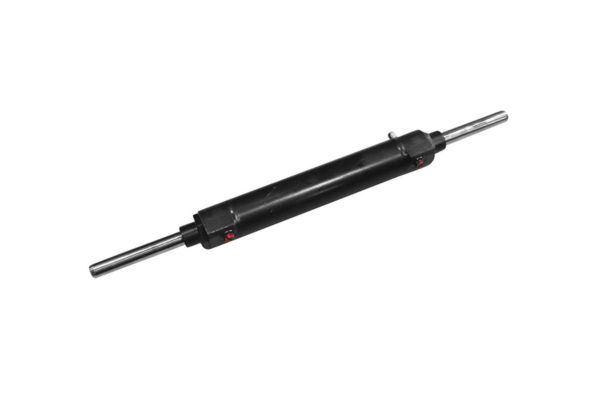
Side Shift Hydraulic Cylinder
Accurate side shift support helps reduce positioning error, side-load damage, and repeated alignment correction in pallet or cargo handling work.
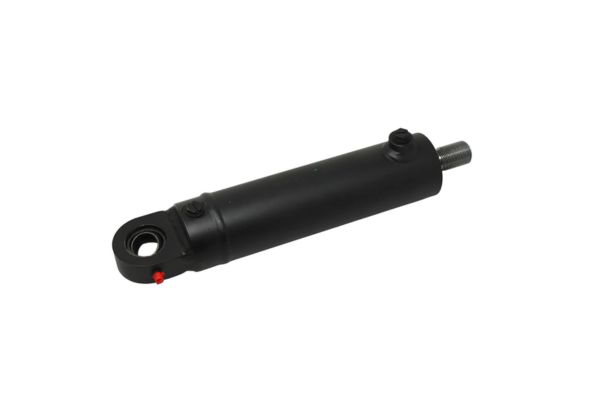
Reach Hydraulic Cylinder
Reach cylinders help extend load access in tight spaces while keeping extension movement more stable and reducing mismatch in compact frame layouts.

Steering Hydraulic Cylinder
Steering cylinders need strong sealing and accurate dimensions to support clean response, better control feel, and lower service frequency.

Leveling Hydraulic Cylinder
Leveling cylinders help control platform or boom balance more accurately, which reduces drift risk and improves working safety during lifting tasks.

Stabilizer Hydraulic Cylinder
Stabilizer cylinders help heavy equipment hold position with less movement under load, which improves machine support and lowers safety risk.
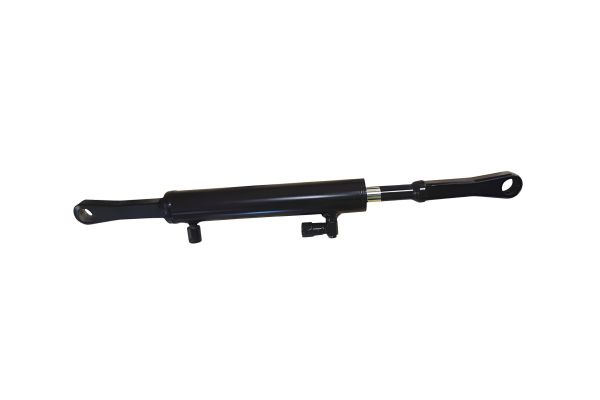
Attachment Hydraulic Cylinder
Attachment cylinders for clamps, fork positioners, and special tools help you match custom structure and keep motion more consistent in application-specific work.
Equipment Categories
Different machines create different demands on sealing, stroke, mounting, and load control. This category entry helps you move directly to the equipment group that fits your sourcing task, so you can compare cylinder options with less delay and fewer mismatches. Topa can produce replacement hydraulic cylinders for many kinds of material handling equipment, and can also support replacement parts for major brands when you need more flexible sourcing for aftermarket or maintenance projects.

Forklifts
Support for lift, tilt, steering, and side shift cylinders helps you source replacement or OEM units that fit mast structure, pressure demand, and daily warehouse cycles.
View Details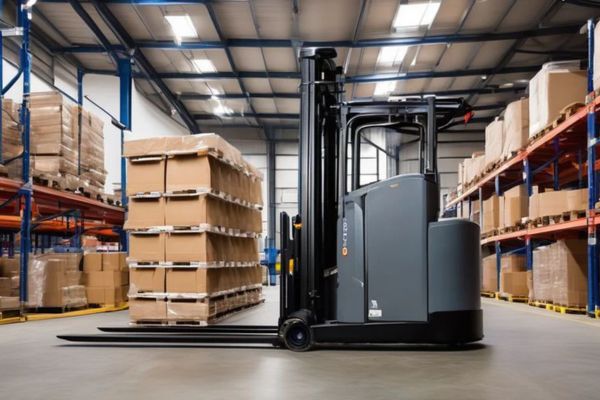
Warehouse Stackers
Cylinder solutions for compact lifting systems help improve fit in narrow frames while keeping smooth motion, stable holding force, and better batch consistency.
View Details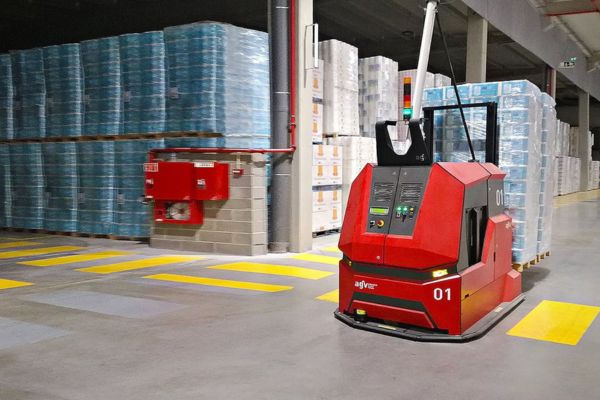
AGV / AMR
For automated handling systems, cylinders with tighter size control and cleaner motion help reduce installation errors, movement instability, and repeated service work.
View Details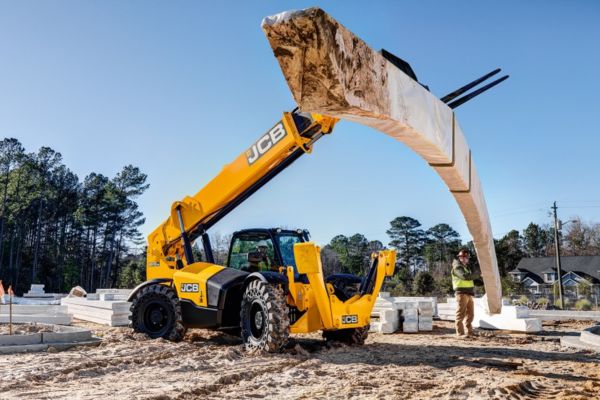
Telehandlers
Boom lift, extend, tilt, and leveling cylinders for telehandlers help you manage higher load transfer, longer stroke demand, and more demanding outdoor conditions.
View Details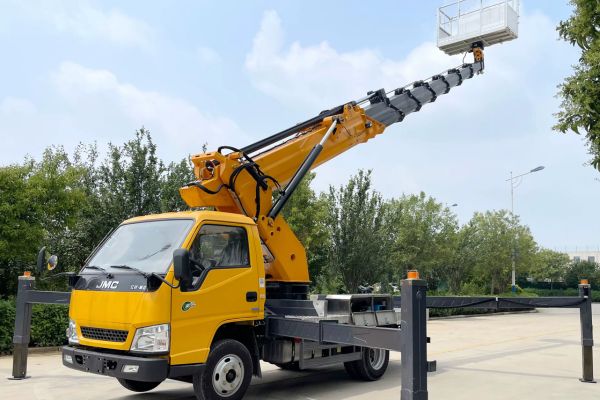
Aerial Work Platforms
Reliable holding and steady motion help platform cylinders reduce drift, unwanted movement, and sealing trouble during repeated lifting and positioning work.
View Details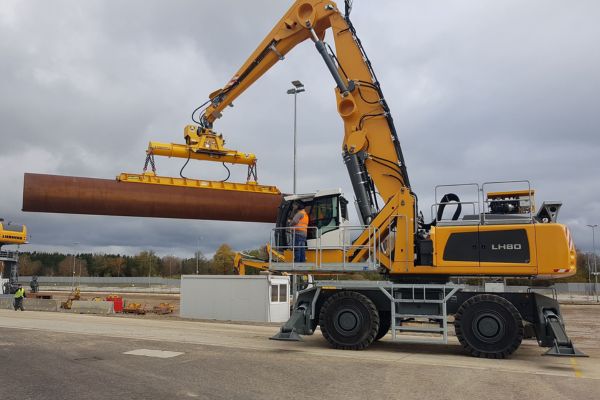
Heavy-duty Lifting Equipment
For larger lifting systems, stronger structure control and better pressure holding help you reduce failure risk and improve long-term supply reliability.
View DetailsCommon Problems in Material Handling Equipment
The right page should reflect the problems you face before the order is placed and after the cylinder is installed. These common issues are the points that usually slow purchasing decisions, increase service cost, or create repeat replacement work.
Slow Drift Under Load
When a mast, fork, or platform cannot hold position well, the machine becomes harder to control and the service team loses confidence in cylinder quality.
Oil Leakage on Floor
External leakage creates safety risk, cleaning work, and more downtime, especially in warehouses, factories, and food-related environments.
Jerky Lifting Movement
Unstable motion affects load control, operator experience, and system confidence, especially in precise stacking and positioning work.
Poor Cold Storage Performance
Low temperature can affect sealing performance, movement response, and pressure stability, which becomes a bigger issue in refrigerated handling work.
Side Load Damage
Poor alignment or harsh operating conditions can create extra rod stress, scoring, and early wear, which shortens service life and increases maintenance cost.
Hard Replacement Matching
Many old cylinders come without clear drawings, which makes replacement slow and increases the risk of size error, port mismatch, or installation failure.
Topa Solutions to Reduce Supply Risk
A better supplier does more than quote a price. These solutions connect directly to the problems that usually create leakage, drift, mismatch, repeat complaints, or unstable batch supply, so your project moves forward with fewer surprises.
Better Sealing for Low Internal Leakage
Better seal selection helps cylinders hold pressure more steadily, which reduces slow drift and improves confidence in lifting or positioning work.
Stronger Rod Surface Protection
A better rod surface helps reduce scoring, corrosion, and early sealing damage, which supports longer service life in warehouse and outdoor handling equipment.
Accurate Mounting Size Control
Tighter control of pin size, mount width, and closed length helps reduce fit errors and shortens installation review time for both OEM and replacement work.
Stable Pressure Holding
Pressure performance that stays more consistent under working load helps lower movement loss, repeated service issues, and field complaints.
Better Batch Consistency
Consistent dimensions and assembly control help repeat orders stay more stable, which matters when you need the same performance across multiple machines.
Faster Drawing Confirmation
Clear review of drawing, photo, and dimensional data helps speed up quotation and lowers the risk of ordering the wrong cylinder structure.
Equipment-to-Cylinder Mapping
This mapping section helps purchasing and engineering teams connect equipment type with the cylinder functions most often used in that machine, which makes early communication clearer and reduces back-and-forth during quotation.

Forklift / Stacker
- Forklift → Lift / Tilt / Steering / Side Shift
- Warehouse Stacker → Lift / Reach / Side Shift / Steering
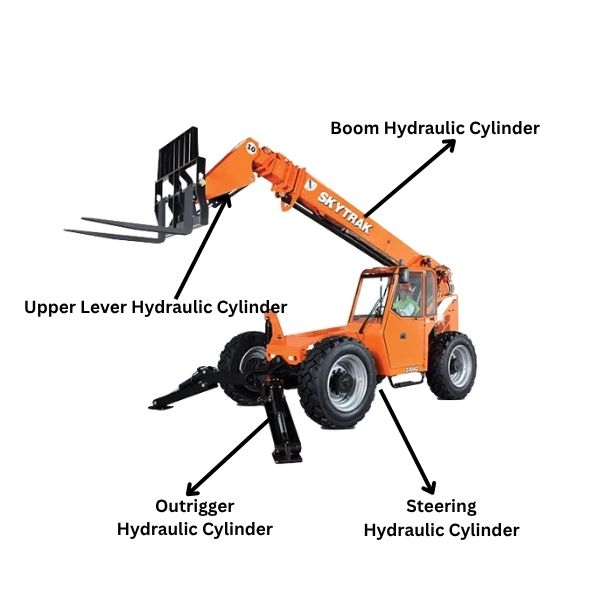
Telehandler
- Telehandler → Boom Lift / Extend / Tilt / Leveling
- Attachment Systems → Clamp / Positioning / Side Shift

AGV / AMR
- AGV / AMR → Lift / Tilt / Steering / Positioning
- Special Handling Units → Reach / Clamp / Push-Pull

Aerial Work Platform / Heavy Lifting
- Aerial Work Platform → Lift / Leveling / Stabilizer
- Heavy-duty Lifting Equipment → Lift / Stabilizer / Attachment
Custom Support for New Projects and Repeat Orders
OEM work usually needs more than standard stock. This checklist gives buyers a quick view of how Topa supports custom development, so you can confirm early whether the supplier fits your project logic and delivery target.
- Custom size and stroke
- Custom mounting type
- Custom port thread
- Drawing-based production
- Sample-based development
- Logo marking
- Special packaging
- Support for repeated batch orders
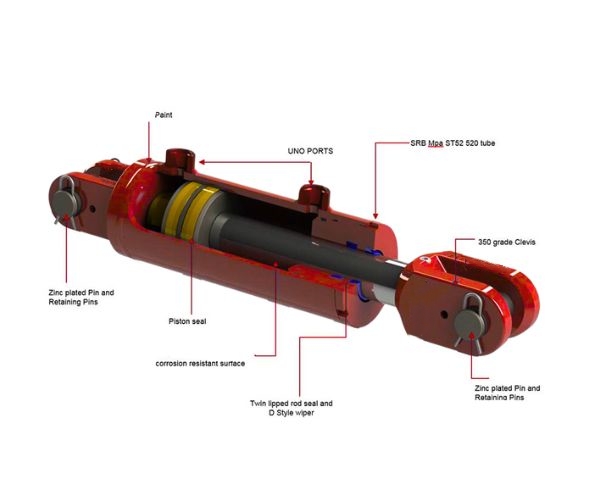
No Drawing? You Can Still Match the Cylinder
Many replacement projects start with incomplete data. This support section helps buyers move forward even when the original drawing is missing, because the key fit information can still be confirmed through machine data, dimensions, and old-cylinder photos.
- Bore size
- Rod diameter
- Stroke
- Mount type
- Port size and thread type
- Old cylinder samples
- Machine model

Hydraulic Cylinder Manufacturing Process
A clear process helps you understand how the cylinder moves from raw steel to finished assembly. Each step affects fit, sealing, structure strength, and delivery consistency, so this section gives you a direct view of how production is controlled before shipment.
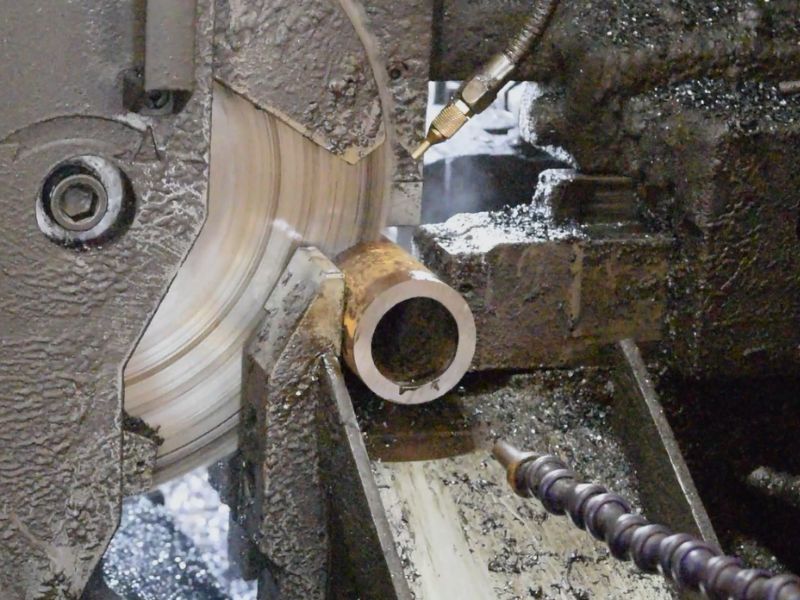 Step 01
Raw Material Cutting
The process starts with cutting steel tube, rod material, and related parts to the required length. Accurate preparation at this stage helps reduce later machining error and keeps the production flow more stable.
 Step 02
Cylinder Tube Machining
The cylinder tube is processed according to dimensional and structural requirements. This step affects internal fit, sealing performance, and the stability of the final hydraulic cylinder during daily operation.
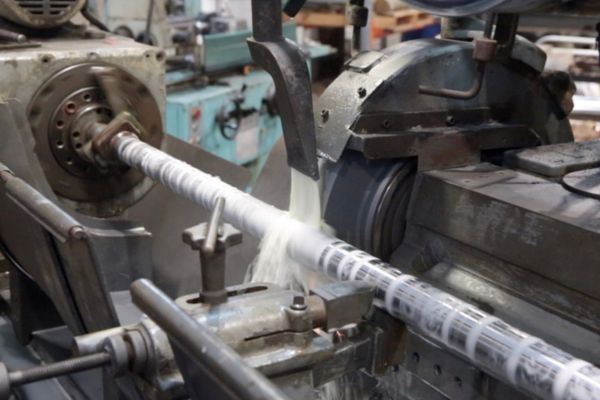 Step 03
Rod Machining
The rod is machined to match the design size, connection structure, and surface requirement. Better rod control helps improve movement stability, sealing contact, and long-term service performance.
 Step 04
Welding
Welding connects the main structural parts of the hydraulic cylinder. Controlled welding helps support strength, reduce deformation risk, and improve consistency for replacement and OEM supply projects.
 Step 05
Grinding
Grinding helps improve surface finish and cleans the welded or processed area before the next operation. This step supports appearance control and helps prepare the cylinder for smoother final assembly.
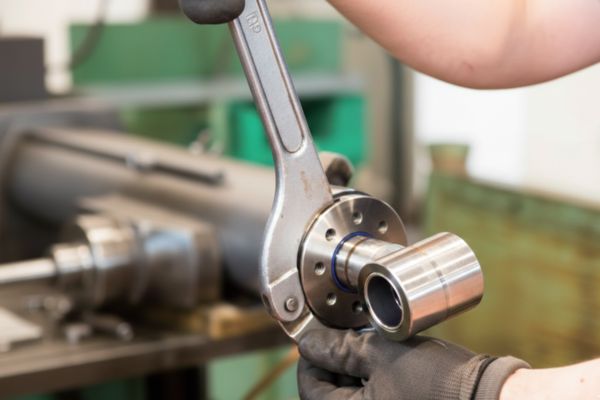 Step 06
Assembly
Seals, rod, tube, piston, and related parts are assembled into the finished hydraulic cylinder. Careful assembly helps reduce leakage risk, improve fit, and support more stable performance before testing and shipment.
See How Topa Supports Hydraulic Cylinder Production
This video gives you a more direct view of how hydraulic cylinders move through production and inspection. It helps you check the factory side of the supply process before you send an inquiry, especially when you need better control over quality, fit, and delivery consistency.
- See the production environment more clearly.
- Understand how processing and assembly are handled.
- Review whether the factory fits your OEM or replacement project.
- Build more confidence before quotation and sample confirmation.
Quality Control
You need quality checks that connect directly to fit, sealing performance, and working stability. These inspection steps help reduce the problems that usually lead to leakage, poor matching, unstable movement, or early replacement after installation.
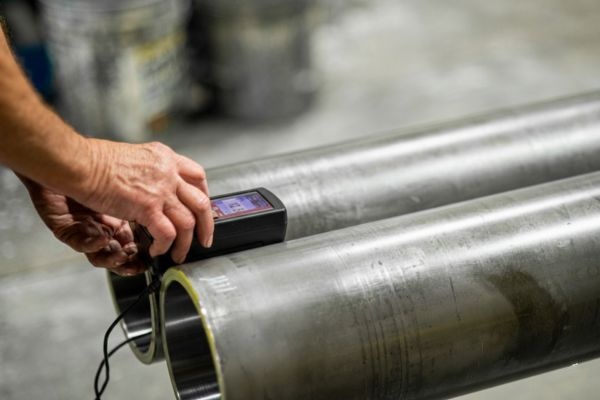
Surface Roughness Test
Surface roughness is checked to help control sealing contact and sliding performance. Better surface quality helps reduce seal wear, leakage risk, and unstable cylinder movement during daily operation.

Material Test
Material testing helps confirm that the steel and related parts match production requirements. This step supports better structure reliability, durability, and batch consistency for long-term supply projects.

Dimension Test
Dimensions such as bore-related fit, rod size, mounting points, and stroke-related data are checked to reduce installation mismatch, repeated rework, and replacement errors.
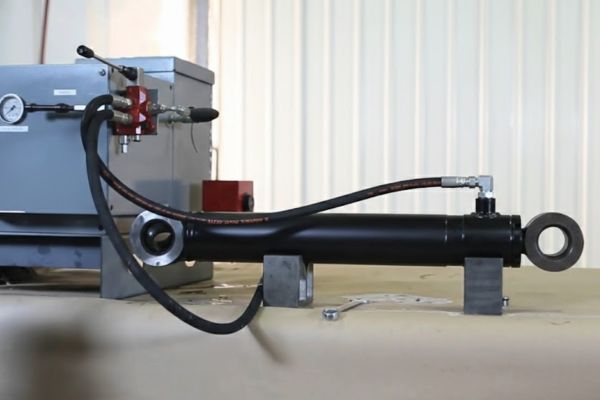
Pressure Test
Pressure testing helps confirm the hydraulic cylinder can hold working load more reliably before shipment. This lowers the risk of leakage, failure, and unstable performance after installation.
Supply & Delivery
Supply ability affects whether a buyer sends an inquiry at all. This section answers the delivery questions that matter most in material handling projects, from sample timing to batch stability and export support.
Sample Lead Time
Faster sample review helps you confirm fit and move quotation forward without losing time in the early project stage.
Batch Lead Time
Clear production planning helps keep repeat orders more stable and reduces delivery uncertainty for larger purchasing schedules.
Common Models Availability
Availability for common structures helps shorten waiting time for buyers who handle replacement and service-demand projects.
Stable Monthly Capacity
More stable output helps buyers manage long-term purchasing with less risk of supply gaps during regular order cycles.
Export Packing
Proper export packing helps protect rod surface, structure condition, and shipment identification during long-distance transportation.
Sea / Air / Express Support
Flexible shipment methods help you choose the right balance between cost, urgency, and project timing.
FAQ
These questions focus on the real issues you may face when selecting, installing, or using hydraulic cylinders in material handling equipment, including performance, failure reasons, and working conditions.
Why does a lift hydraulic cylinder slowly drop under load?
What causes jerky movement in lifting or tilting cylinders?
Why do hydraulic cylinders leak oil in warehouse environments?
How does low temperature affect hydraulic cylinder performance?
What causes rod damage or scratching during operation?
Why is cylinder movement unstable under repeated cycles?
How do you know if a cylinder needs replacement?
Why do some cylinders fail earlier than expected?
Send Your Material Handling Hydraulic Cylinder Details
Clear information helps confirm fit faster and reduces back-and-forth during quotation. You can submit data for new equipment, replacement cylinders, or repeat orders using the same form.
- Drawings or sketches
- Bore size, rod diameter, stroke, and closed length
- Machine type or model
- Required quantity
Suitable for equipment replacement, maintenance supply, and ongoing purchasing needs.