
Why Twin Tailgate Hydraulic Cylinders Fall Out of Sync
Twin tailgate hydraulic cylinders fall out of sync primarily due to unequal load distribution, internal leakage, or trapped air within the system. You face a significant problem when your heavy-duty equipment operates with jerky, uneven movements that threaten the structural integrity of your machine. This agitation leads to twisted frames, broken hinges, and expensive downtime that halts your production schedule. By identifying the root causes and implementing precise synchronisation techniques, you can restore efficiency and protect your twin tailgate hydraulic cylinder from catastrophic failure.
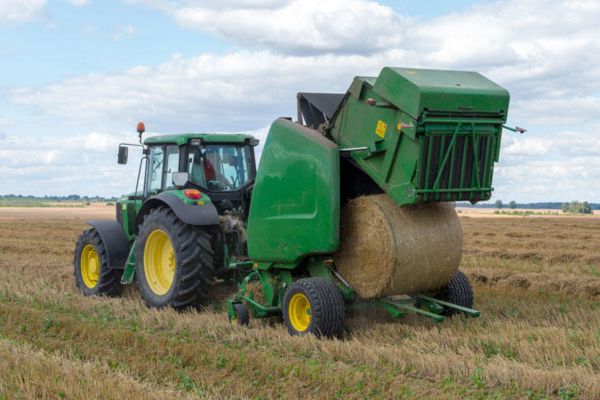
Why Do Twin Tailgate Hydraulic Cylinders Get Unbalanced?
Your twin tailgate hydraulic cylinder system gets unbalanced because fluid follows the path of least resistance, causing one side to lead while the other lags. When you operate a system with two actuators, any difference in internal friction or load resistance forces the oil to favor the cylinder that requires less pressure to move. This phenomenon is common in heavy-duty waste management or construction vehicles where the tailgate is massive and requires perfectly timed force.
Understanding Fluid Path Mechanics
In a standard parallel circuit, the pump supplies oil to both cylinders simultaneously without a mechanical link to govern their speed. If one piston has a slightly worn seal, the resulting pressure drop allows the opposite cylinder to move faster. Here is the deal: you cannot expect two independent hydraulic components to behave identically without external regulation.
Identifying Initial Symptoms of Desync
You will often notice the tailgate tilting to one side during the extension phase before any major mechanical failure occurs. This visual warning indicates that the fluid flow is no longer distributed equally across the manifold.
- Visible tilting of the tailgate frame.
- Audible straining or groaning from one side.
- Slower than usual cycle times.
- Metal-on-metal grinding at the pivot points.
Identifying early signs of imbalance prevents your equipment from suffering permanent frame warping or hinge fractures.
| Symptom | Primary Cause | Severity | |
|---|---|---|---|
| Tailgate Tilting | Flow Imbalance | Medium | |
| Groaning Sounds | Increased Friction | High | |
| Structural Warping | Long-term Desync | Critical |
Is Unequal Load Distribution the Root Cause?
Unequal load distribution is the most frequent cause of timing issues in your twin tailgate hydraulic cylinder because it creates a pressure differential between the left and right sides. When you load a truck unevenly, the cylinder on the heavier side requires more pressure to initiate movement than the cylinder on the lighter side. Consequently, the lighter side begins its stroke first, leading to a diagonal lift that puts immense stress on the entire assembly.
The Impact of Off-Center Loading
If your cargo shifts to one side of the bed, the hydraulic system must work harder to displace the weight on that specific corner. This forces the control valve to send more oil to the side with lower resistance, accelerating the “lead” cylinder. Look: your machine’s geometry is not designed to handle the twisting forces generated by a lopsided extension.
Structural Resistance and Friction
Friction within the tailgate hinges or guide rails can also simulate an unequal load, tricking the hydraulics into an unbalanced state. If one side of the mechanical structure is poorly lubricated, it increases the “cracking pressure” needed for that cylinder to move.
- Lack of grease in pivot bushings.
- Debris caught in the tailgate tracks.
- Bent mounting brackets increasing side-load.
- Corroded pins creating mechanical drag.
Addressing the mechanical environment is just as vital as checking the fluid levels when troubleshooting synchronisation.
| Load Type | Effect on Cylinder | Resolution | |
|---|---|---|---|
| Lopsided Cargo | Premature Extension | Centered Loading | |
| Dry Bushings | Increased Drag | Regular Greasing | |
| Bent Brackets | Mechanical Binding | Structural Repair |
Can Internal Seals Affect Twin Tailgate Hydraulic Cylinder Timing?
Internal seal bypass significantly affects your twin tailgate hydraulic cylinder by allowing oil to slip past the piston, effectively reducing the active volume of fluid. When a seal is compromised, the cylinder “leaks” internally, meaning it doesn’t hold the pressure required to keep pace with its partner. You might not see a puddle on the ground, but the performance drop is undeniable as one cylinder begins to sag under load.
The Danger of Piston Seal Bypass
Internal leakage is often invisible to the naked eye because the oil remains trapped within the cylinder barrel. As the high-pressure oil moves to the low-pressure side of the piston, the cylinder loses its ability to maintain a steady rate of extension. A difference of just a few milliliters per stroke can result in a several-inch gap between the two cylinder positions.
Heat Generation and Seal Degradation
When oil bypasses a seal, it generates localized heat due to friction, which further degrades the polyurethane material. This creates a vicious cycle where the seal fails faster, and the synchronisation gap widens with every operation.
- Loss of hold position under heavy loads.
- Spongy feel during the extension stroke.
- Increased hydraulic oil temperature.
- Erratic movement during the retraction phase.
Replacing worn seals promptly ensures that each cylinder consumes the exact amount of oil intended by the system design.
| Seal Issue | Impact on Performance | Solution | |
|---|---|---|---|
| Piston Bypass | Speed Inconsistency | Seal Replacement | |
| Heat Hardening | Brittle Seal Failure | Oil Cooling | |
| Scoring | Permanent Leak Path | Barrel Re-honing |
Does Air Contamination Disrupt Hydraulic Synchronisation?
Air contamination disrupts your twin tailgate hydraulic cylinder synchronisation because air is compressible while hydraulic fluid is not. When you have air bubbles trapped in one side of the system, that cylinder will hesitate or “bounce” as the air compresses before the oil can move the piston. This results in a staggered start where one cylinder moves instantly and the other follows only after the air has reached maximum compression.
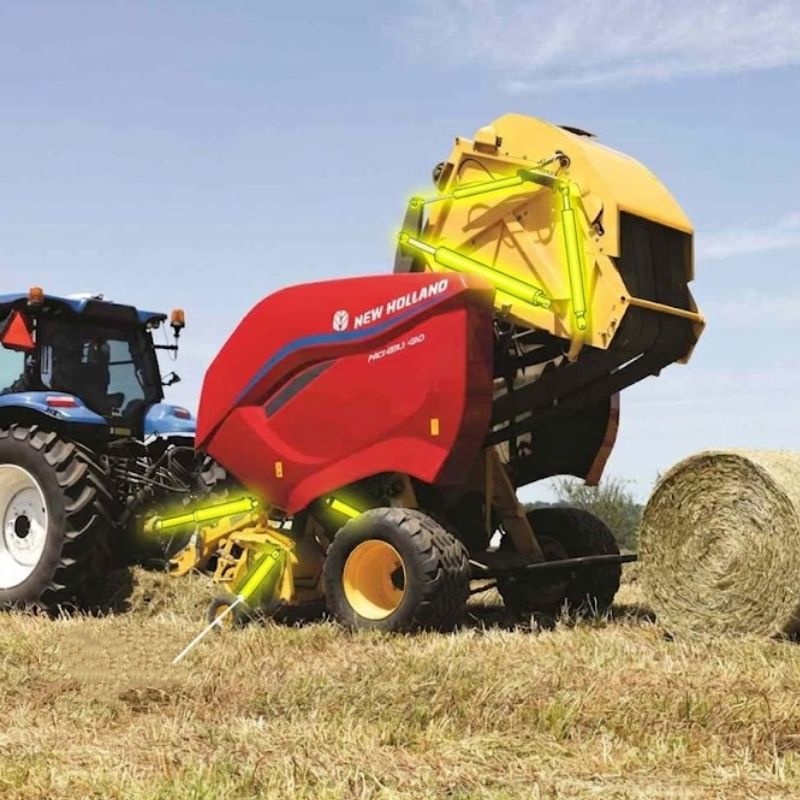
How Air Enters the System
Air usually enters through loose suction fittings, damaged rod seals, or during the installation of new hoses. Even a tiny amount of aeration can cause your tailgate to move with a jerky, unpredictable motion that endangers nearby workers. A system that hasn’t been properly bled is a mechanical liability waiting to happen.
The Sponginess Factor in Actuators
A “spongy” cylinder is a clear indicator that the hydraulic fluid has been compromised by air or foam. This compressibility means the cylinder cannot maintain a rigid position, leading to dangerous “drift” when the tailgate is supposed to be locked.
- Bleed the air through the cylinder’s purge valves.
- Inspect the pump intake for potential leaks.
- Ensure the reservoir is filled to the correct level.
- Check for “milky” oil indicating high aeration.
Removing air from the lines restores the solid hydraulic link needed for two cylinders to move as a single unit.
| Air Level | Physical Symptom | Action Required | |
|---|---|---|---|
| Trace Air | Slight Hesitation | Cycle System | |
| Moderate Air | Jerky Movement | Manual Bleeding | |
| Severe Air | No Movement/Noise | Pump Inspection |
Could Mechanical Binding Create Uneven Movement?
Mechanical binding creates uneven movement in your twin tailgate hydraulic cylinder system by increasing the physical resistance on one side of the frame. If a hinge is seized or a guide rail is bent, the cylinder must exert more force to overcome that specific obstruction. Because the hydraulic fluid will always seek the easier path, it will rush toward the cylinder that is not experiencing binding, causing it to over-extend.
Seized Hinges and Lack of Grease
Many synchronisation problems are actually mechanical issues disguised as hydraulic failures. If you skip your weekly greasing schedule, the pivot pins can develop “galling,” where the metal surfaces bond together and resist rotation. No amount of hydraulic pressure can compensate for a mechanical joint that refuses to move.
Frame Misalignment and Twisting
If your vehicle has been involved in a minor collision or subjected to extreme overloading, the frame itself may be slightly twisted. This misalignment forces the cylinders to operate at different angles, creating side-loads that slow down one side.
- Inspect all pivot pins for signs of wear.
- Verify that the tailgate frame is square.
- Clear all debris from the sliding tracks.
- Replace any bent mounting hardware.
Checking for mechanical obstructions first can save you hours of unnecessary hydraulic troubleshooting and component replacement.
| Mechanical Issue | Visual Indicator | Fix | |
|---|---|---|---|
| Seized Pivot | Metal Shavings | Pin Replacement | |
| Bent Rail | Scuffed Paint | Straightening | |
| Debris Buildup | Grinding Sound | Power Washing |
Why Is Proper Twin Tailgate Hydraulic Cylinder Alignment Crucial?
Proper alignment is crucial for your twin tailgate hydraulic cylinder because even a minor deviation in mounting position changes the leverage exerted by the actuator. If one cylinder is mounted just a few millimeters higher than the other, the stroke lengths and force vectors will no longer match. You must ensure that both units are perfectly parallel and equidistant from the center of the tailgate to achieve hydraulic harmony.
Geometry and Stroke Consistency
When cylinders are misaligned, one piston may reach the end of its stroke before the other, causing the pump to hit the relief pressure while the tailgate is still crooked. This “dead-heading” creates intense pressure spikes that can blow out seals and damage the pump. Precision in installation is the foundation of precision in operation.
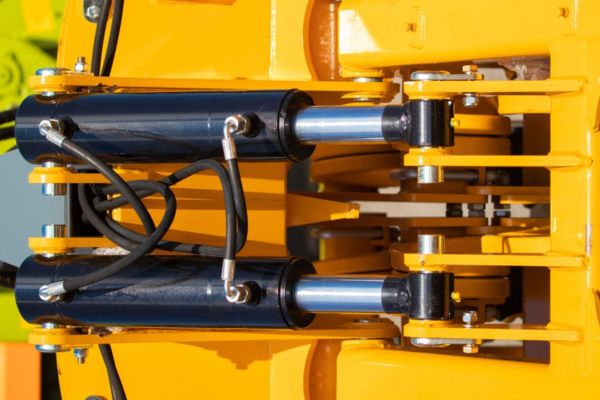
Side-Loading and Rod Wear
Misalignment also introduces side-loading, where the rod is pushed against the side of the gland nut rather than moving straight out. This causes lopsided wear on the rod seals and can even lead to a bent rod over time.
- Use a laser level during installation.
- Verify all mounting pins are on the same plane.
- Check for shim requirements in the brackets.
- Ensure hoses are equal in length and diameter.
Perfect alignment reduces internal friction and allows both cylinders to extend at the exact same velocity.
| Alignment Type | Measurement Tool | Target | |
|---|---|---|---|
| Horizontal Plane | Precision Level | 0.0 Degrees | |
| Parallelism | Caliper/Tape | Identical Gaps | |
| Rod Centerline | Laser Guide | Perfect Straightness |
Does Temperature Influence Cylinder Extension Rates?
Temperature influences your twin tailgate hydraulic cylinder extension rates because the viscosity of hydraulic oil changes as it heats up. Cold oil is thick and moves slowly through valves and hoses, creating high resistance. As your machine works and the oil warms, it becomes thinner and flows more easily. If one side of your system is exposed to more heat—perhaps from being near the exhaust—the oil in that circuit will flow faster than the other.
Viscosity and Flow Variations
Thinner oil slips through orifices more quickly, which can cause a “hot” cylinder to outpace a “cold” one. This is particularly noticeable in winter months when you first start your equipment and the fluid is still cold. Temperature management is a silent factor in maintaining synchronized hydraulic movement.
Thermal Expansion of Components
Extreme heat can also cause the metal components of the cylinder and valves to expand slightly, which may alter internal clearances and increase friction. If your cooling system is inadequate, the entire hydraulic circuit will become erratic as the day progresses.
- Use high-quality, multi-viscosity hydraulic oil.
- Ensure adequate airflow around the reservoir.
- Install oil coolers for high-cycle applications.
- Check for hot spots near hydraulic lines.
Consistent oil temperature ensures that the fluid’s flow characteristics remain stable throughout your entire work shift.
| Temp Range | Oil Consistency | Sync Effect | |
|---|---|---|---|
| Very Cold | Thick/Sluggish | Slow Response | |
| Operating Temp | Ideal Flow | Stable Sync | |
| Overheated | Thin/Watery | Slippage/Desync |
Is Maintenance Vital for Twin Tailgate Hydraulic Cylinder Health?
Maintenance is vital for your twin tailgate hydraulic cylinder health because it addresses the small issues of wear and contamination before they lead to a total system breakdown. Without a structured maintenance plan, your equipment will eventually succumb to the cumulative effects of dirt, moisture, and seal fatigue. You cannot expect a high-precision twin system to remain synchronized if the oil is filthy and the filters are bypassed.
The Importance of Oil Cleanliness
Contamination is the “silent killer” of hydraulic systems, as microscopic particles act like sandpaper inside your valves and cylinders. These particles can score the cylinder walls or clog the flow divider spools that are critical for timing. A few dollars spent on a new filter can save you thousands in valve manifold repairs.
Scheduled Inspections and Greasing
A weekly inspection allows you to catch minor leaks or loose mounting bolts before they cause a desynchronisation event. Greasing the pivot points ensures that the mechanical resistance remains equal on both sides of the tailgate.
- Change hydraulic oil according to the hour meter.
- Inspect all hoses for cracks or bulges.
- Test the synchronisation weekly under full load.
- Keep the piston rods clean and free of debris.
Proactive care is the only way to ensure your twin cylinders provide years of reliable, synchronized service in harsh environments.
| Task | Frequency | Benefit | |
|---|---|---|---|
| Filter Change | 500 Hours | Protects Valves | |
| Pivot Greasing | Weekly | Reduces Friction | |
| Oil Analysis | Annually | Monitors Wear |
Conclusion
When you manage heavy-duty machinery, the synchronisation of your hydraulic actuators is the difference between a productive day and a structural disaster. We have explored how unequal loads, air contamination, and worn seals can disrupt your equipment’s balance. By focusing on precision alignment, clean oil, and robust maintenance, you can solve these problems before they cost you time and money.
We believe that “hydraulic harmony” is achievable for every fleet through superior engineering and proactive support. If you are ready to eliminate the frustration of uneven lifts and jerky movements, contact us today to find the perfect custom solution for your equipment.
FAQ
Can I synchronize my cylinders by just using identical hoses?
Yes, but only partially, as equal hose lengths and diameters help minimize pressure drops, but they cannot compensate for internal leaks or unequal loads.
What is the best way to bleed air from a twin system?
The most effective method is to cycle the cylinders through their full stroke multiple times without a load, while occasionally cracking the bleed valves at the highest point of the circuit.
How often should I check the alignment of my tailgate cylinders?
You should perform a visual alignment check weekly and a more detailed measurement every time the cylinders are removed for service or if the vehicle undergoes a major impact.
Will a flow divider fix all my synchronisation issues?
Not necessarily, because while a flow divider ensures equal fluid volume, it cannot correct for mechanical binding or internal seal bypass within the cylinders themselves.
Is it normal for one cylinder to be slightly warmer than the other?
No, a significant temperature difference usually indicates an internal leak or mechanical friction in that specific cylinder, which will eventually lead to desynchronisation.