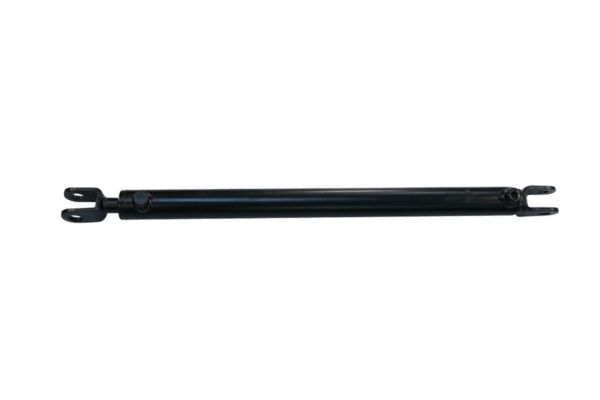
Tailgate / Rear Door Cylinder
- Opens and closes the tailgate
- Builds clamping force and holds pressure
- Controls bale discharge after forming
- May also support density building or overload protection on some models

Get baler cylinders built for pressure holding, dirty field work, and quick replacement. From tailgate cylinders to density and pickup lift cylinders, we help you source the right size, stable sealing, and repeat supply for seasonal orders.
These cylinder types help you quickly match the right hydraulic function to your baler structure and working action.
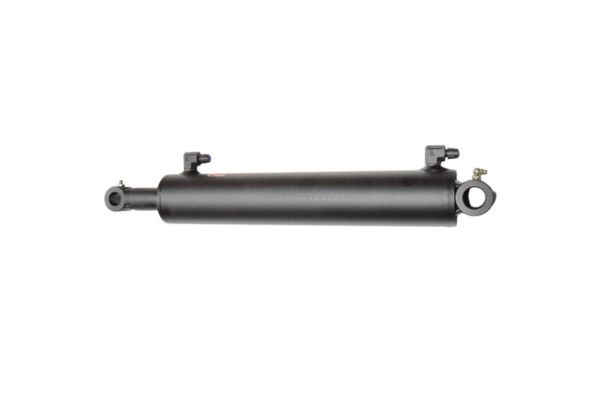
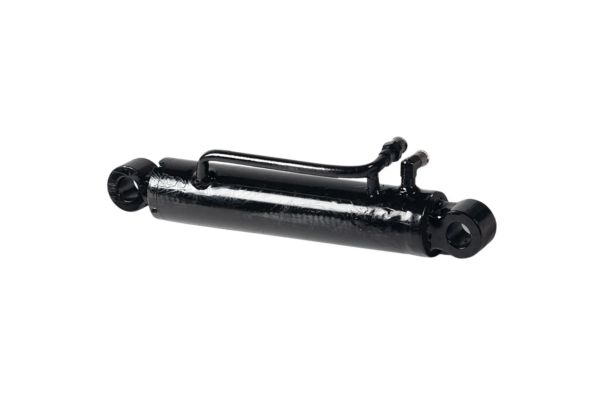
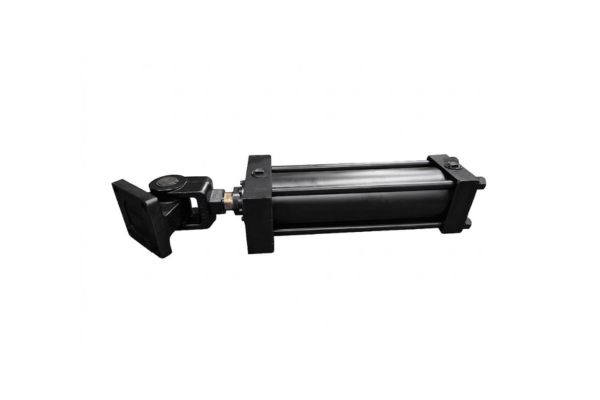
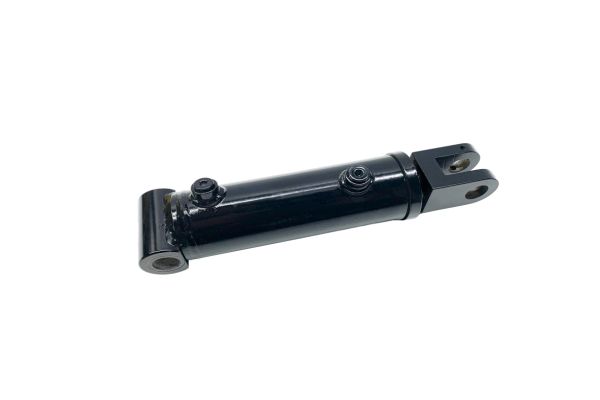
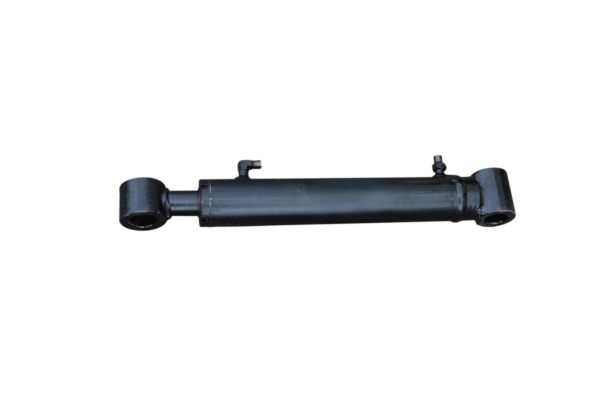
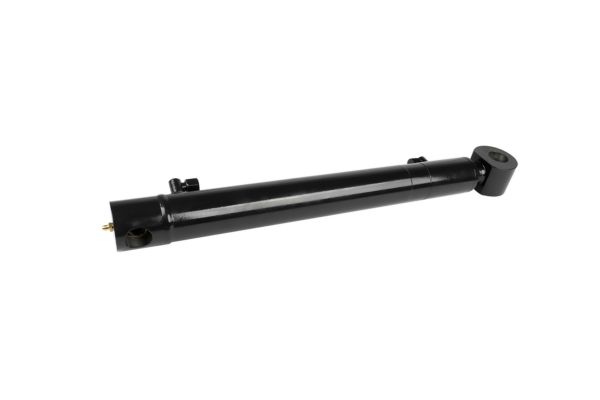
We can produce replacement hydraulic cylinders for all major baler categories, helping you match the right cylinder type by machine layout, reduce sourcing mistakes, and support both aftermarket and OEM demand with more confidence.
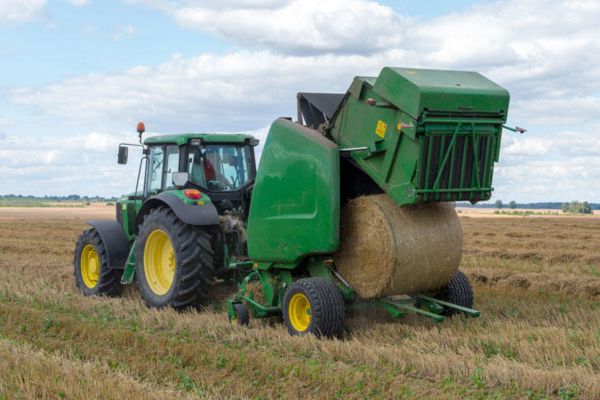
Round balers are widely used for hay, straw, and silage, and they usually need cylinders for tailgate movement, density control, pickup lift, and bale handling.
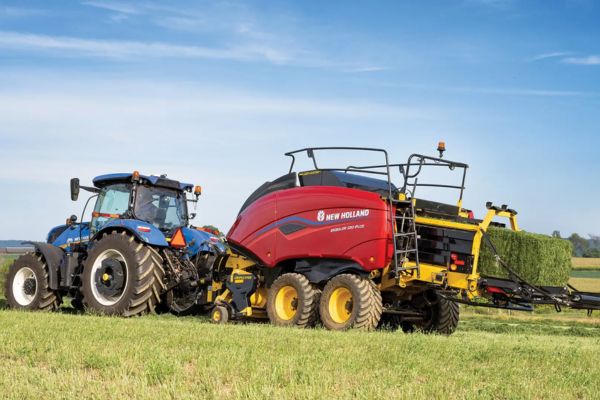
Large square balers work under higher density, heavier load, and longer duty cycles, so their hydraulic cylinders often need stronger structure, better pressure holding, and more stable quality for repeated high-force field operation.
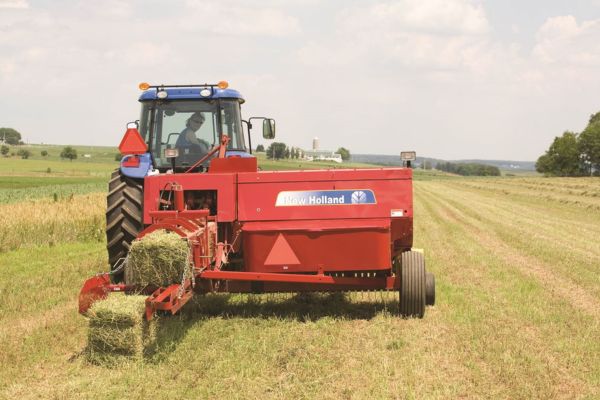
Small square balers are common on smaller farms and older equipment fleets, where buyers often need replacement cylinders that match original dimensions, install easily, and arrive fast to keep seasonal work moving without delay.
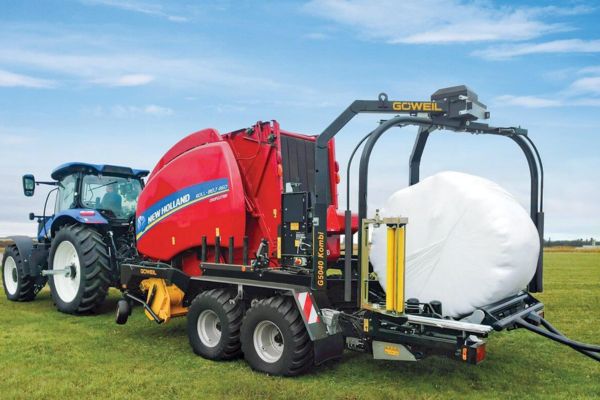
Baler wrapper combinations add transfer, clamp, turning, and wrapping actions to the machine, so they usually use more hydraulic cylinders and require better speed coordination, sealing performance, and stable operation across multiple linked movements.
Baler cylinders are not only selected by size. They are selected by action, movement frequency, and field risk in each working stage. From pickup movement to density holding, gate cycling, and road transport, each stage puts different demands on cylinder speed, sealing, stability, and structure.

In the pickup stage, the cylinder helps the pickup follow the ground, lift over obstacles, and keep crop feeding more continuous.
In the compression stage, the chamber stays under pressure while bale density rises step by step.
In the discharge stage, the tailgate has to open quickly, release the bale cleanly, and close back in position for the next cycle.
In transport, cylinders support swing tongue positioning, transport locking, and chassis or suspension buffering on some machines.
Baler cylinders work in tough field conditions. Understanding these working features helps you choose a cylinder that fits real use instead of only matching basic size.
Tailgate and density cylinders need to keep stable pressure during bale forming. If pressure drops or internal leakage increases, bale density becomes uneven and performance in the field quickly declines.
Blockage, wet crop, and restart conditions can create sudden load changes. The cylinder must handle these impacts without leakage or structural stress that can lead to early failure.
Mud, straw dust, and crop residue stay around the rod during operation. Without proper sealing and surface protection, contamination can quickly damage seals and reduce service life.
Many baler cylinders work in short strokes but move very often. This repeated motion increases wear on seals and guides, so stable internal structure and smooth movement become more important.
Most buyers do not start with cylinder drawings. They start with field problems, failed replacements, repeated leakage, and machines that cannot stop in peak season. This section is written around the exact issues that push customers to look for a more reliable baler cylinder supplier.
Customers often find that the baler can still run, but bale density keeps dropping and output becomes inconsistent. In many cases, the real cause is weak pressure holding or internal leakage in the density or tailgate cylinder, which slowly reduces chamber force and creates repeat complaints in the field.
A slow tailgate is not only a small movement issue. During harvest season, every delayed opening and closing cycle reduces field efficiency and creates waiting time for the operator. Buyers want cylinders that can keep tailgate action smooth, stable, and repeatable instead of getting weaker after short use.
In silage and wet crop applications, exposed rod surfaces face moisture, acid residue, and constant contamination. Many buyers have seen replacement cylinders look fine at first, then quickly develop corrosion, pitting, seal damage, and oil leakage. This is one of the most common reasons customers stop buying from an unreliable supplier.
Many field failures do not start from the tube or rod. They start from wrong mounting width, poor pin fit, side load, or bracket stress. Buyers often receive a cylinder that looks close in size, but once installed, it creates long-term wear at the pin hole, bracket, or hinge point and leads to another repair very soon.
You can customize key cylinder details based on your machine structure, working load, and field conditions, so the cylinder fits directly without rework and performs more reliably in real use.
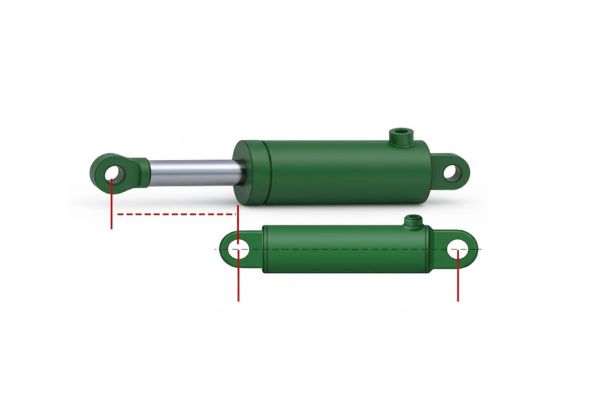
Match bore, rod diameter, stroke, and pin-to-pin length to your machine to avoid installation issues and extra modification work.
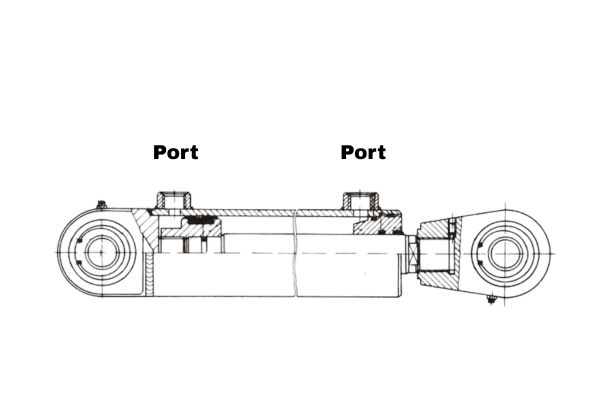
Select BSP, NPT, ORFS, or custom ports to match your hose layout and prevent leakage or connection mismatch.

Choose chrome plating or upgraded coating to improve corrosion resistance in wet crop and silage conditions.
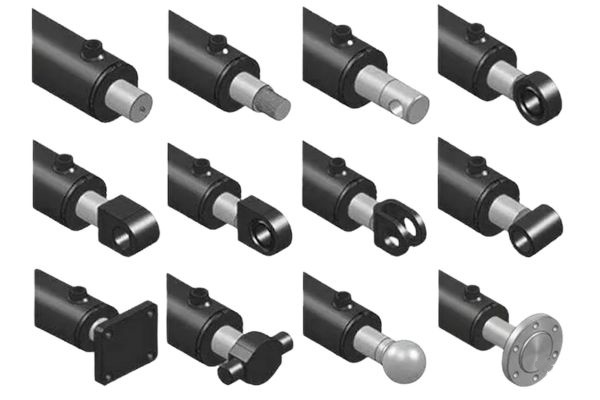
Adjust clevis width, pin size, and mounting type to reduce side load, improve fitment, and extend service life.
A replacement cylinder should not be chosen by appearance alone. Checking the key fitting points first helps you avoid wrong installation, movement problems, and repeat field repairs.
The stroke must match the real machine movement, otherwise the cylinder may not open fully or may stop too early.
Check mounting width and pin size carefully to avoid side load, misalignment, and fast wear after installation.
The port must match your hose and fitting system to avoid leakage or extra rework during installation.
Check nearby structure and hose routing to prevent movement blockage or repeated installation problems.
You do not only want a cylinder supplier. They want a partner who can match sizes correctly, reduce repeat failures, reply fast, and keep supply more stable during busy season. That is where Topa gives you stronger support.
We help you check stroke, pin-to-pin length, mounting size, and port details before production, so you can lower fitment risk and avoid costly field modification.
For tailgate and density applications, we focus on sealing stability and internal leakage control, helping you reduce loose bales, drift, and repeat after-sales problems.
We can adjust rod treatment and cylinder details based on real working conditions, helping your replacement cylinders last longer in wet crop, silage, and dirty field environments.
You can send a drawing, photo, or used sample, and our team will help review the key dimensions faster, making it easier for you to move from inquiry to confirmation.
Whether you need one replacement cylinder or repeat supply for a product line, we support custom production and stable batch supply to match your business needs.
We pay attention to mounting width, pin size, and structural details that often cause failure before the cylinder body, helping you reduce repeat bracket and installation problems.
This is our real factory production process. Each step is controlled to keep size accuracy, smooth movement, and stable quality. You are welcome to visit our factory and check how your cylinders are made.

We cut tube and steel material to the required length, preparing for the next machining steps.

We machine the cylinder tube to control inner bore size and ensure proper fit for seals and piston movement.
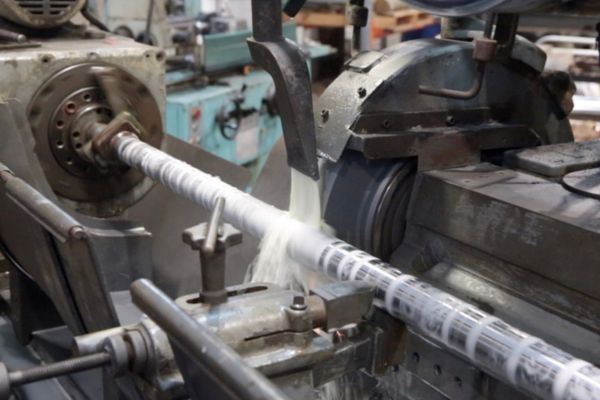
We process the piston rod to match diameter, surface finish, and connection details required by the design.

We weld mounting parts and end caps to complete the cylinder structure and support working load.

We grind and finish key surfaces to improve smooth movement, sealing performance, and appearance.
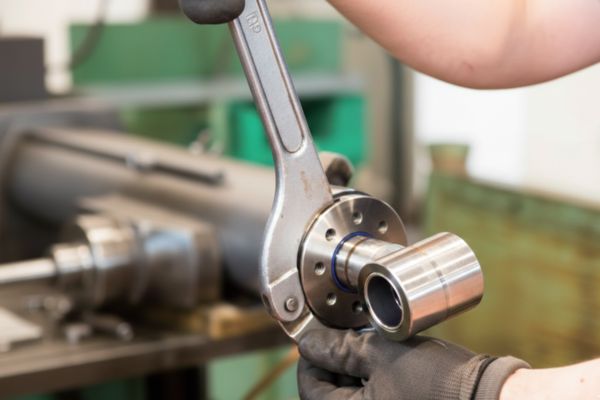
We install seals, piston, rod, and other components to complete the cylinder and prepare it for testing and shipment.
Before shipment, we check the key points that matter most for baler cylinder performance and replacement accuracy. This helps you reduce fitment risk, control quality variation, and receive cylinders that are better prepared for field use.

We check the material of key cylinder parts before and during production, helping keep the cylinder structure more stable and more suitable for repeated working load.
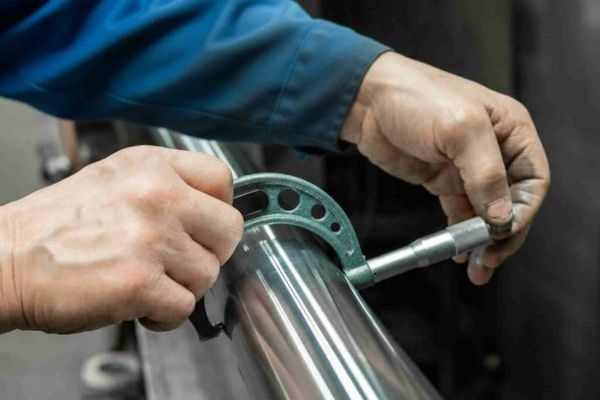
We test hardness on important parts to help confirm wear resistance and support better durability in baler working conditions with shock and vibration.
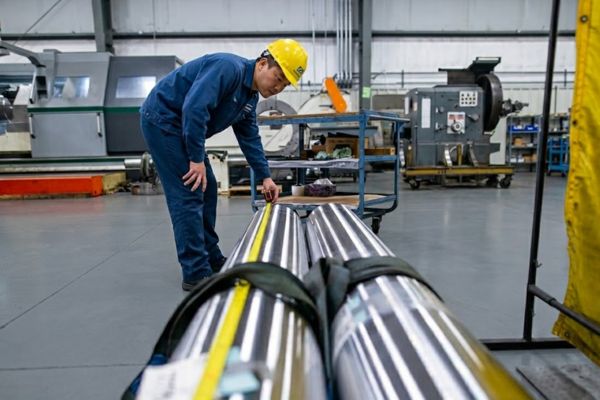
We inspect key dimensions such as stroke, rod diameter, mounting size, and port details, helping the cylinder match the machine more accurately.
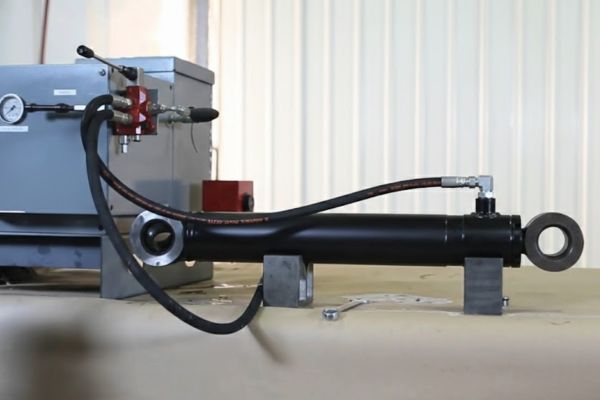
We test finished cylinders before shipment to check pressure holding and leakage performance, helping lower the risk of field failure after installation.

Baler cylinder demand often comes in short seasonal windows. We help you prepare packing and delivery in advance, so your goods arrive in good condition and your stock is ready when field demand increases.
These are real supply cases from different types of customers. They show how we help solve fitment, consistency, and delivery problems in baler cylinder projects.
A European equipment distributor needed to replace tailgate cylinders across multiple baler models. We helped match mounting size, stroke, and port details based on old samples, reducing installation issues and keeping replacement stock consistent.
A South American importer placed bulk orders before harvest season for density and pickup cylinders. We kept size consistency across batches and arranged delivery planning, helping the client avoid stock shortage during peak demand.
A maintenance service company working with mixed baler models needed repeated cylinder replacement support. By standardizing key sizes and confirming drawings early, we helped them reduce repeat fitment problems and speed up service work.
Start with pin-to-pin length, retracted length, stroke, mounting width, pin hole size, and port thread. These points usually decide whether the cylinder will install directly or cause hose, bracket, or movement problems after replacement.
The most common problems come from wrong stroke, incorrect retracted length, mismatched mounting width, and different pin hole size. Even a cylinder that looks close in appearance can create side load, limited movement, or bracket wear if these dimensions do not match.
This usually happens because of internal leakage, worn seals, rod surface damage, or pressure loss inside the cylinder. When holding force becomes weaker, the tailgate or density system may not stay stable, which can affect bale density and unloading performance.
A tailgate cylinder mainly controls opening, closing, and holding the rear gate, while a density cylinder mainly keeps compression force on the bale chamber or tension system. Some machines use the tailgate cylinder to support density as well, but the working purpose is not always the same.
Tailgate cylinders, density cylinders, and pickup lift cylinders are usually replaced most often. These cylinders work more frequently, face more contamination, or carry more pressure-related load, so they are often the first groups buyers need for replacement orders.
Yes. A used sample helps us check structure, mounting style, and key dimensions when the original drawing is missing. This is especially useful for older machines, mixed fleets, and replacement projects where model information is incomplete.
Focus on rod surface protection, sealing quality, and overall resistance to moisture and contamination. Wet crop and silage conditions often cause faster corrosion and seal wear, so the cylinder should be selected with those working conditions in mind instead of only basic size matching.
Send the cylinder type, machine model, application position, stroke, mounting details, port type, working pressure, and quantity if available. A drawing or clear photos of the old cylinder also help us review fitment more accurately and reduce back-and-forth confirmation time.
Send your drawing, old sample details, or main cylinder sizes. We will help you check fitment, mounting type, working condition, and replacement direction, then send a clear quotation and matching solution.