
Why Harvester Hydraulic Cylinders Fail in Fertilizer Plants?
The primary risk to your equipment in a fertilizer environment is the aggressive chemical corrosion and abrasive contamination that lead to sudden seal failure. You often see standard components failing within months because nitrogen-based compounds and potash salts eat through traditional elastomers. This constant degradation results in unplanned downtime and high repair costs that threaten your bottom line. By switching to specialized materials and protective designs, you can effectively mitigate this hydraulic cylinder risk and keep your facility running smoothly.
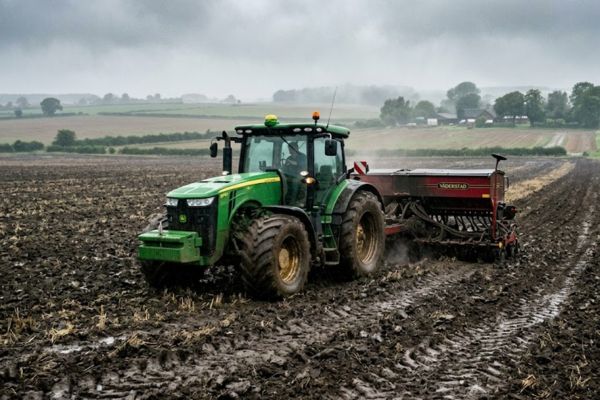
What Is The Primary Hydraulic Cylinder Risk In Fertilizer Plants?
The primary risk involves the dual threat of chemical degradation and mechanical abrasion from fertilizer salts. In these environments, any hydraulic cylinder risk is amplified by the corrosive nature of liquid nitrogen and dry potash. You must understand that even a small amount of residue can initiate a failure cycle. Protecting your equipment starts with identifying these specific environmental stressors.
Chemical Exposure And Material Degradation
Liquid fertilizers often contain ammonia or nitric acid, which are incredibly harsh on standard nitrile seals. These chemicals penetrate the seal material, causing it to swell or become brittle over time. Once the material integrity is lost, the seal can no longer hold pressure during high-load operations.
Impact Of Corrosive Dust On External Seals
Dry fertilizer dust is highly abrasive and acts like sandpaper on your cylinder rods. Wait, there is more:
- Potash and phosphate dust settle on the rod during extension.
- These particles are then pulled directly into the seal group upon retraction.
- This creates deep grooves in the seal lips, leading to external leakage.
- Corrosive dust also traps moisture, accelerating rod pitting.
You can prevent premature failures by identifying which specific chemical or dust types are most prevalent in your facility.
| Risk Factor | Impact on System | Severity Level | |
|---|---|---|---|
| Ammonia Exposure | Seal swelling and softening | High | |
| Potash Dust | Abrasive wear on seal lips | Moderate | |
| Nitric Acid | Metal corrosion and seal brittle failure | Critical |
Why Do Fertilizer Chemicals Accelerate Seal Failure?
Fertilizer chemicals accelerate failure by attacking the molecular structure of standard rubber and nitrile seals. This specific hydraulic cylinder risk occurs when compounds like ammonia cause elastomers to swell or lose their physical strength. When seals lose their elasticity, they can no longer maintain a tight interface against the piston rod. You will notice that failures happen much faster in high-chemical zones compared to standard industrial sites.
Chemical Incompatibility With Standard Polymers
Standard seals are usually designed for mineral oils, not for aggressive agricultural chemicals. Here is why: when these polymers meet nitrogen-rich fluids, they undergo a chemical reaction that changes their durometer. This results in either a seal that is too soft to resist pressure or one so hard that it cracks under vibration.
High Temperatures And Corrosive Reactions
Chemical reactions often accelerate when your hydraulic system runs hot during peak seasonal demand. High temperatures make the fertilizer residues more reactive, which speeds up the rate of polymer breakdown. You must ensure your system remains cool to prevent these corrosive reactions from reaching a critical point.
Understanding the chemistry behind seal failure helps you choose materials that won’t react with your specific fertilizer blends.
| Chemical Agent | Polymer Reaction | Component Vulnerability | |
|---|---|---|---|
| Liquid Nitrogen | Embrittlement | Primary Rod Seals | |
| Phosphates | Material Swelling | Piston U-Cups | |
| Sulfur Compounds | Hardening | Static O-Rings |
How Does Corrosion Impact Hydraulic Cylinder Safety?
Corrosion impacts safety by creating micro-pits on the rod surface that act as cutting edges against the seal. This hydraulic cylinder risk can lead to sudden loss of load control if a seal is completely shredded by a corroded rod. You risk not only equipment damage but also potential injury to operators if a cylinder fails under pressure. Maintaining a smooth, corrosion-free rod surface is vital for operational safety.
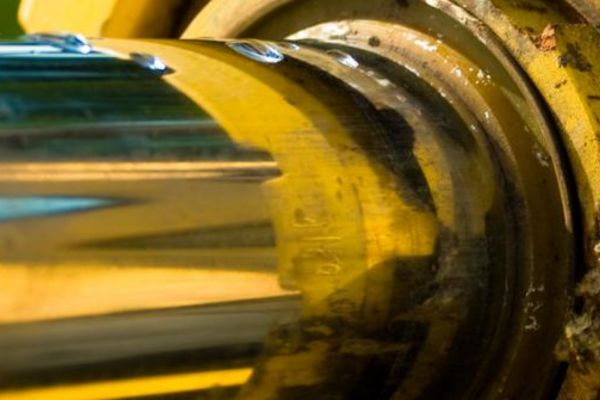
Pitting Damage On Piston Rod Surfaces
Pitting occurs when fertilizer salts sit on the chrome plating and eat through to the base steel. These tiny craters have sharp edges that slice through your seals every time the rod moves. Look at this fact:
- Pits can be invisible to the naked eye initially.
- A single pit can bypass the seal lip and cause a weep.
- Repeated cycles turn a weep into a high-pressure spray.
- Chrome flaking often follows severe pitting.
Structural Integrity Risks From Acid Exposure
In extreme cases, acidic fertilizer runoff can weaken the actual metal structure of the cylinder barrel or mounts. This thinning of the metal increases the chance of a catastrophic burst under high-pressure spikes. You must inspect the exterior of your cylinders regularly to ensure the metal remains sound and thick.
Preventing rod corrosion is the single most important step in maintaining the safety of your heavy lifting equipment.
| Corrosion Type | Safety Implication | Mitigation Strategy | |
|---|---|---|---|
| Rod Pitting | Seal shredding and fluid loss | Chrome-over-nickel plating | |
| Barrel Thinning | Risk of burst under pressure | Acid-resistant coatings | |
| Mounting Rust | Component detachment | Stainless steel pins |
Which Seal Materials Resist Fertilizer Contamination?
Specialized elastomers like Fluorocarbon or high-grade Polyurethane are the best choices for resisting fertilizer contamination. This hydraulic cylinder risk is best managed by matching the seal polymer to the specific chemical profile of your fertilizer. You cannot rely on “one-size-fits-all” seals if you want your cylinders to last more than one season. Investing in the right materials upfront saves you from frequent and costly teardowns.
Fluorocarbon And Specialized Elastomers
Fluorocarbon (FKM) offers excellent resistance to a wide range of chemicals, including many acids found in fertilizers. It maintains its shape and sealing force even when exposed to high temperatures and harsh chemical sprays. You should consider FKM if your equipment handles concentrated liquid nitrogen or phosphoric acid.
Polyurethane Performance In Ammonia Environments
Specialized polyurethanes are often used for their superior abrasion resistance against dry fertilizer dust. Here is why: these materials are much tougher than standard rubber, making them harder to scratch or tear. However, you must ensure the specific polyurethane grade is rated for the chemical pH levels in your plant.
Selecting the correct seal material transforms your cylinder from a weak point into a reliable asset.
| Seal Material | Chemical Resistance | Best Used For | |
|---|---|---|---|
| Fluorocarbon (FKM) | Excellent (Acids/Bases) | Liquid fertilizer systems | |
| Specialized PU | High (Abrasion) | Dry bulk handling | |
| EPDM | Good (Bases) | Specific alkaline fertilizers |
Can Proper Filtration Reduce Hydraulic Cylinder Risk?
Proper filtration reduces risk by removing the microscopic fertilizer particles that bypass your rod seals and enter the oil. This hydraulic cylinder risk is often hidden because the oil might look clean even when it is loaded with abrasive silt. You need high-efficiency filters to catch these tiny contaminants before they erode your internal valves and pumps. Keeping your fluid clean is the best way to protect your entire hydraulic circuit.
Micro-Particle Removal In Harsh Environments
Standard filters might not be enough to catch the fine dust found in fertilizer facilities. You should implement high-beta rated filters that can capture particles as small as 3 to 5 microns. Wait, there is more:
- Standard filters often bypass during cold starts.
- Water-removing filters are essential in humid plants.
- Magnetic plugs can catch metallic wear particles.
- Kidney loop systems provide continuous cleaning.
Preventing Internal Component Erosion
When fertilizer dust stays in your oil, it turns the fluid into a polishing paste that wears down internal metal surfaces. This erosion causes internal leakage in the cylinder, leading to “drift” where the rod won’t stay in position. You will find that your pumps and valves also last much longer when the oil is properly filtered.
High-efficiency filtration acts as an internal shield, preventing environmental contaminants from destroying your system from the inside out.
| Filter Type | Target Contaminant | Benefit | |
|---|---|---|---|
| 3-Micron High Efficiency | Fine fertilizer dust | Prevents valve sticking | |
| Water Absorbing | Humidity/Condensation | Reduces acid formation | |
| Return Line Filter | Internal wear particles | Protects the reservoir |
What Are The Warning Signs Of Impending Seal Failure?
The first warning signs are usually fluid discoloration or small oil rings appearing on the rod surface. This hydraulic cylinder risk becomes much more severe if you ignore these early indicators of seal wear. You should train your operators to look for “weeping” at the rod end during every shift. Catching a failure in the early stages allows you to schedule maintenance rather than dealing with an emergency breakdown.
Identifying Fluid Discoloration Early
If your hydraulic oil starts to look milky or dark, it is a sign that water or fertilizer dust has breached the seals. Look at this fact: milky oil usually indicates water ingress, which can lead to rust inside the cylinder. Dark, gritty oil means your seals are being eaten away and the material is mixing with the fluid.
Recognizing External Leakage Patterns
A healthy cylinder should have a dry rod, but a failing one will leave a visible film of oil. You might see oil pooling around the base of the cylinder or dripping from the rod wiper. These patterns tell you exactly which seal group is failing and how urgent the repair has become.
Monitoring Unexpected Pressure Drops
If your equipment feels sluggish or can’t hold its maximum load, the internal seals may be leaking. This internal bypassing allows oil to flow from the high-pressure side to the low-pressure side without doing work. You will notice that the cylinder body gets unusually hot when internal leaking occurs.
Early detection of these warning signs is the difference between a simple seal swap and a complete cylinder replacement.
| Warning Sign | Probable Cause | Action Required | |
|---|---|---|---|
| Milky Fluid | Water/Humidity ingress | Change oil and seals | |
| Rod “Weeping” | Worn rod seal lip | Replace seal kit | |
| Cylinder Drift | Piston seal bypass | Internal inspection |
How Should Maintenance Teams Manage Cylinder Corrosion?
Maintenance teams must manage corrosion by applying protective coatings and sticking to a strict cleaning schedule. Managing this hydraulic cylinder risk requires a proactive approach rather than waiting for rust to appear. You can significantly prolong the life of your rods by ensuring they are never left with fertilizer residue on them for long periods. A clean cylinder is a surviving cylinder in an agricultural environment.

Protective Coatings And Surface Treatments
Standard chrome plating is often insufficient for high-corrosion fertilizer plants. You should look into advanced options like laser cladding, ceramic coatings, or nickel-over-chrome plating. Here is why: these treatments provide a much denser barrier that prevents acidic chemicals from reaching the base metal.
Routine Cleaning To Remove Fertilizer Residue
You must implement a daily washdown protocol to remove dust and chemical sprays from the cylinder rods. Use fresh water and avoid high-pressure jets directly at the seal area, as this can force water inside.
- Wipe down exposed rods at the end of each shift.
- Inspect protective boots for tears or buildup.
- Apply a light coat of clean oil to the rod after cleaning.
- Remove any crusty buildup around the wiper seal carefully.
Combining high-end surface treatments with disciplined cleaning creates an unbeatable defense against corrosive environments.
| Protection Method | Cost Factor | Effectiveness | |
|---|---|---|---|
| Daily Washdown | Low | High (Prevention) | |
| Ceramic Coating | High | Excellent (Longevity) | |
| Protective Boots | Moderate | Good (Physical Shield) |
What Role Does Rod Scraper Selection Play In Protection?
The rod scraper, or wiper, is your first line of defense against abrasive fertilizer dust entering the system. This hydraulic cylinder risk is highest when you use a weak or standard scraper that can’t handle dry, crusty salts. You need a specialized scraper that is tough enough to physically “shave” the rod clean as it retracts. Without a functioning scraper, your internal seals don’t stand a chance against the incoming debris.
Preventing Abrasive Dust Entry Into The System
The scraper’s job is to ensure that only a clean rod passes through the main pressure seals. Look at this fact: if the scraper fails, particles enter the system and get trapped between the seal and the rod. This causes the seal to “float” and lose its pressure-holding capability immediately.
Specialized Scraper Designs For Dry Chemicals
For fertilizer plants, a double-lip scraper or a metallic-cased wiper is often the best choice. Here is why:
- The first lip knocks off the heavy chunks of fertilizer.
- The second lip wipes away the fine dust and moisture.
- Metallic cases prevent the scraper from being “popped out” by ice or dried salts.
- Harder materials prevent the scraper lip from wearing down too quickly.
Choosing a heavy-duty rod scraper is a small investment that protects your much more expensive internal components.
| Scraper Type | Material | Application | |
|---|---|---|---|
| Double-Lip Wiper | Polyurethane | High-dust environments | |
| Metal-Encased | Steel/Rubber | Heavy crust/Impact zones | |
| Excluder Seal | Hard Plastic | Fine chemical powder |
Does Environmental Humidity Increase The Hydraulic Cylinder Risk?
Environmental humidity significantly increases the risk because it turns dry fertilizer salts into highly corrosive acidic solutions. This hydraulic cylinder risk is particularly dangerous in coastal or high-moisture facilities where condensation is constant. You might find that your cylinders rust faster in the warehouse than they do while they are actually working. Moisture is the catalyst that allows fertilizer chemicals to begin their destructive work.
Reaction Of Potash With Atmospheric Moisture
When dry potash absorbs moisture from the air, it creates a salty brine that is extremely aggressive toward steel. Wait, there is more: this brine can seep into the smallest cracks in your chrome plating. Once inside, it causes “under-film” corrosion that eventually makes the chrome flake off in large pieces.
Preventing Galvanic Corrosion In Damp Conditions
Dampness can also cause galvanic corrosion between different types of metals in your cylinder assembly. You must ensure that pins, mounts, and cylinder bodies are properly insulated or made from compatible materials.
Managing Condensation Within Hydraulic Reservoirs
Humidity doesn’t just stay on the outside; it can also condense inside your oil tank. You should use desiccant breathers to strip moisture from the air before it enters your reservoir. This prevents water from mixing with your oil and creating acids that attack your seals from the inside.
Controlling moisture and humidity is vital for stopping the chemical reactions that lead to rapid cylinder failure.
| Humidity Factor | Effect on Cylinder | Solution | |
|---|---|---|---|
| Brine Formation | Rapid metal corrosion | Routine rod cleaning | |
| Tank Condensation | Internal oil contamination | Desiccant breathers | |
| Pin Seizing | Component immobility | Marine-grade grease |
How Can You Extend Hydraulic Life In Fertilizer Facilities?
Extending life requires a combination of proactive monitoring and upgrading to severe-duty equipment designs. This hydraulic cylinder risk can be defeated if you stop treating cylinders as “disposable” and start investing in higher-spec hardware. You should work with experts who understand the specific challenges of the fertilizer industry to build more resilient systems. Longevity is achievable if you prioritize quality and prevention over cheap, standard replacements.
Implementing Proactive Monitoring Programs
Don’t wait for a leak to fix your equipment; instead, use scheduled oil analysis to check for chemical contamination. Here is why: oil analysis can tell you if your seals are starting to break down before you see oil on the floor. You can also use ultrasonic testing to check for internal wear in the cylinder barrel.
Upgrading To Severe Duty Cylinder Designs
If your standard cylinders are failing every season, it is time to upgrade to heavy-duty models with specialized features.
- Specify stainless steel or induction-hardened rods.
- Use multi-stage sealing systems for better protection.
- Install protective bellows or boots over the rods.
- Choose cylinders with integrated filtration or cooling.
Upgrading your hardware and your monitoring habits will lead to a dramatic decrease in downtime and maintenance costs.
| Long-Term Strategy | Implementation | Expected Result | |
|---|---|---|---|
| Oil Analysis | Quarterly sampling | 50% fewer surprise failures | |
| Component Upgrades | Severe-duty spec | 3x longer service life | |
| Operator Training | Visual inspection logs | Faster response to leaks |
Conclusion
Seal failure in fertilizer environments is a complex problem, but it is one you can solve by addressing the root causes of chemical attack and abrasive wear. We have explored how corrosive dust, humidity, and material incompatibility work together to destroy your hydraulic cylinders. By selecting specialized seal materials, upgrading your rod protection, and maintaining strict cleaning protocols, you can eliminate the high costs of unplanned downtime.
We are dedicated to providing the most durable and reliable hydraulic technology to the agricultural industry, ensuring your equipment stays in the field and out of the repair shop. To start securing your facility today, contact us today and let our engineers help you build a more resilient system.
FAQ
Can I use standard nitrile seals in a liquid fertilizer environment?
No, you should not use standard nitrile. The best approach is to upgrade to Fluorocarbon or specialized Polyurethane, as standard nitrile will swell and fail quickly when exposed to the aggressive chemicals found in liquid fertilizers.
What’s the best way to prevent rod pitting in high-humidity plants?
The best approach is to use induction-hardened rods with a nickel-over-chrome plating or a ceramic coating. These advanced surface treatments provide a much better barrier against the brine solutions that form when fertilizer salts mix with moisture.
How do I know if my hydraulic oil is contaminated with fertilizer dust?
The best approach is to perform a professional oil analysis. While you can sometimes see a dark or gritty appearance in the oil, a laboratory test will provide a precise particle count and identify the specific chemical contaminants present in your system.
Can I install a protective boot on an existing hydraulic cylinder?
Yes, you can. The best approach is to measure your cylinder’s extended and retracted lengths and install a custom-fit bellows or boot, which provides a physical shield that keeps both dust and moisture away from the rod and scraper.
What’s the best maintenance schedule for cylinders in a potash facility?
The best approach is a daily visual inspection and rod wipe-down. Because potash is so abrasive and reactive with moisture, removing daily residue is the most effective way to prevent the chemical reactions that lead to seal and rod destruction.