
Why Baler Tailgate Hydraulic Cylinder Fail in Silage
Silage corrodes rods fast because the fermentation process produces high concentrations of acetic and lactic acids that aggressively dissolve standard chrome plating. You face a constant battle against equipment downtime when these caustic fluids penetrate your machinery. If you ignore the signs of chemical etching, you risk total system failure during the most critical harvest periods. Selecting high-quality taligate hydraulic cylinder rods designed to withstand acidic environments is the only way to ensure long-term reliability.
Why Does Silage Attack Taligate Hydraulic Cylinder Rods?
Silage attacks taligate hydraulic cylinder rods because the organic acids created during fermentation act as powerful electrolytes that trigger rapid electrochemical corrosion. When these acids sit on the metal surface, they begin to eat away at the protective layers immediately.
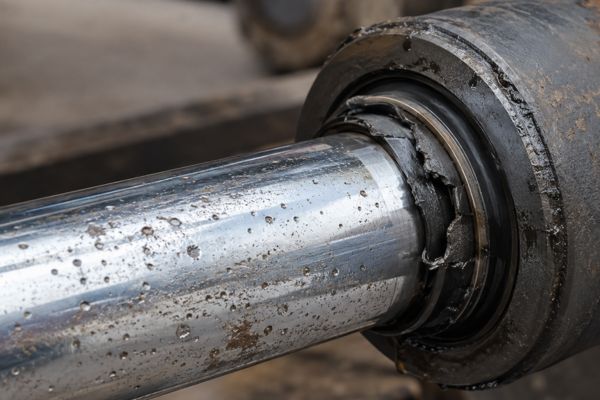
The Chemical Nature Of Fermentation
Fermented fodder creates a low pH environment that is naturally hostile to carbon steel and industrial coatings. This chemical cocktail is specifically designed to break down organic matter, but it is equally effective at oxidizing metal components.
- Acetic acid concentrations peak during the early stages of silage storage.
- Lactic acid provides the stability silage needs but remains highly corrosive to equipment.
- High moisture content ensures these acids can flow into every tight space of the hydraulic assembly.
How Exposure Cycles Increase Damage
The frequent extension and retraction of the cylinder expose the rod to fresh layers of silage juice throughout the day. This constant refreshing of the corrosive agent prevents the metal from forming any natural protective oxide layer.
Understanding the chemical interaction between silage and steel allows you to predict when a component is nearing its failure point. Monitoring these cycles helps you schedule repairs before a leak becomes a catastrophic blowout.
| Component | Corrosive Agent | Immediate Effect | |
|---|---|---|---|
| Chrome Plate | Lactic Acid | Surface Etching | |
| Base Steel | Acetic Acid | Deep Pitting | |
| Seal Interface | Combined Acids | Softening and Swelling |
How Does Acidity Compromise Taligate Hydraulic Cylinder Rods?
Acidity compromises taligate hydraulic cylinder rods by breaking down the microscopic bond between the chrome plating and the underlying steel. Once this bond is weakened, the protective shell becomes susceptible to flaking and physical abrasion.
The Process Of Hydrogen Embrittlement
Acidic environments can introduce hydrogen into the metal structure, making the rod brittle and prone to cracking under load. This internal weakening is often invisible to the naked eye until the rod snaps or deforms during operation.
- Hydrogen atoms migrate into the grain boundaries of the steel.
- Internal pressure builds as these atoms recombine into molecules.
- Microscopic cracks form, reducing the overall structural integrity of the cylinder.
Surface Pitting And Seal Interaction
As the acid creates pits on the surface, it transforms a smooth rod into a jagged tool that destroys internal seals. Every time the rod retracts, these pits carry acid directly into the internal hydraulic fluid reservoir.
Tracking surface degradation ensures you don’t contaminate your entire hydraulic system with acidic runoff. This knowledge saves you from the massive expense of flushing the whole system and replacing the main pump.
| Damage Type | Visual Indicator | Operational Impact | |
|---|---|---|---|
| Surface Pitting | Small dark spots | Increased seal wear | |
| Flaking | Silver scales in oil | Clogged valves | |
| Discoloration | Rainbow or dull finish | Reduced lubricity |
Can Moisture Ingress Accelerate Taligate Hydraulic Cylinder Fail ?
Moisture ingress accelerates taligate hydraulic cylinder fail by providing a transport medium for acids and creating an environment for rust to grow beneath the chrome. Without water, the acids would remain localized, but moisture allows them to flow across the entire rod surface.
The Role Of Capillary Action
Water can pull acidic silage juice into the tightest tolerances of the hydraulic head gland through capillary action. This ensures that even the parts of the rod you cannot see are being attacked by corrosion.
- Water lowers the viscosity of the acids, allowing deeper penetration.
- Moisture traps debris against the rod, creating a grinding paste.
- Internal condensation can lead to “inside-out” corrosion during periods of inactivity.
Why High Humidity Is A Danger
In high-humidity environments, the rod never truly dries, meaning the chemical reaction of corrosion never stops. This continuous attack is far more damaging than occasional exposure followed by a dry period.
Recognizing the role of moisture helps you decide when to apply additional protective grease or covers to your equipment. Managing the moisture levels around your cylinders can double the life of your seals.
| Moisture Source | Exposure Level | Risk Factor | |
|---|---|---|---|
| Silage Sap | Extreme | High chemical attack | |
| High-Pressure Wash | Moderate | Seal bypass risk | |
| Atmospheric Humidity | Constant | Persistent oxidation |
Does Mechanical Stress Weaken Taligate Hydraulic Cylinder Rods?
Mechanical stress weakens taligate hydraulic cylinder rods by creating physical deformities that make the metal more vulnerable to chemical attack. When a rod is stressed or bent, the protective chrome layer develops tension cracks that acids can easily exploit.
The Danger Of Sideloading Forces
Sideloading occurs when the load on the tailgate is uneven, forcing the rod to press hard against one side of the cylinder head. This concentrated pressure wears down the protective coating in a specific “strike zone” that rusts almost immediately.
- Uneven silage distribution in the truck bed is the primary cause of sideloading.
- Worn pivot pins allow the cylinder to twist out of its intended alignment.
- Overloading the tailgate beyond its rated capacity stretches the metal beyond its elastic limit.
Vibration And Fatigue Cracking
Constant vibration during transport causes microscopic fatigue cracks to grow over time. These cracks act as perfect entry points for silage acids to reach the heart of the steel rod.
Identifying mechanical stress points allows you to reinforce the mounting hardware before the rod suffers permanent damage. Regular alignment checks keep the rod centered and protected by its intended lubrication film.
| Stress Type | Primary Cause | Long-term Result | |
|---|---|---|---|
| Bending | Heavy wet loads | Permanent rod deformation | |
| Vibration | Road transport | Fatigue-related snapping | |
| Friction | Lack of lubrication | Galling and surface scoring |
How Do Micro-cracks Affect Taligate Hydraulic Cylinder Rods Performance?
Micro-cracks affect taligate hydraulic cylinder rods performance by acting as hidden reservoirs for corrosive fluids that eat the metal from the inside out. Even the highest quality chrome plating has a network of microscopic cracks that are inherent to the plating process.
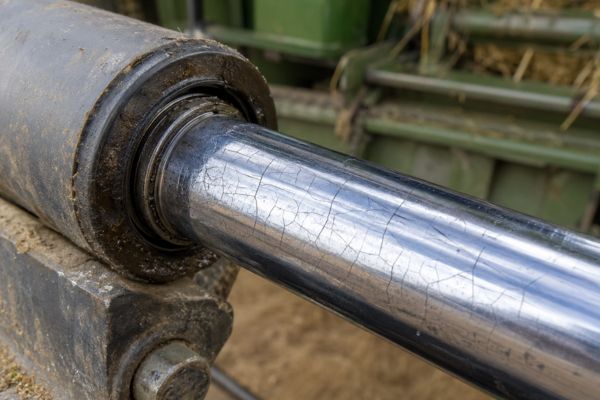
The Porosity Of Industrial Chrome
Industrial chrome is not a solid, impermeable sheet; it is a porous layer that relies on its thickness to protect the steel. Silage acids are thin enough to seep through these pores and begin the rusting process at the interface of the two metals.
- Acid enters the micro-cracks during the extension phase.
- Pressure during retraction forces the acid deeper into the cracks.
- The resulting rust expands, pushing the chrome away from the steel in a process called “heaving.”
How Cracks Lead To Flaking
Once rust forms beneath the chrome, the plating loses its adhesion and begins to flake off in large, sharp pieces. These flakes are extremely abrasive and will quickly destroy the rod wipers and internal seals.
Understanding the presence of micro-cracks helps you realize why simple surface cleaning isn’t always enough to stop corrosion. Choosing rods with specialized “base coats” can provide a secondary barrier that fills these microscopic gaps.
| Crack Feature | Visibility | Danger Level | |
|---|---|---|---|
| Micro-cracks | Microscopic | High (hidden) | |
| Stress Cracks | Visible with lens | Critical | |
| Plating Pores | Microscopic | Moderate |
Why Is Surface Finish Critical For Taligate Hydraulic Cylinder Rods?
Surface finish is critical for taligate hydraulic cylinder rods because it determines how well the system can maintain a protective oil film. If the finish is too rough, it destroys seals; if it is too smooth, it cannot hold the oil needed to lubricate the rod.
Maintaining The Ideal Ra Value
The roughness average (Ra) must be precisely controlled to ensure the rod slides smoothly while retaining microscopic pockets of oil. Silage corrosion ruins this balance by creating an inconsistent and abrasive surface texture.
- A rough surface acts like a file on the soft rubber of the seal.
- Corrosion creates “valleys” that are too deep for the seal to wipe clean.
- Leftover oil in these valleys attracts grit and silage dust, creating an abrasive paste.
Friction And Heat Generation
A degraded surface finish increases the friction between the rod and the seal, generating excessive heat. This heat hardens the seals, making them brittle and unable to follow the contours of the rod.
Monitoring the surface finish allows you to catch wear patterns before they become severe enough to require a full rod replacement. A quick polish can sometimes restore a rod if the corrosion has not yet reached the base metal.
| Surface State | Ra Value Trend | Resulting Issue | |
|---|---|---|---|
| New | Optimized | Perfect seal life | |
| Corroded | High/Rough | Rapid seal shredding | |
| Polished/Worn | Low/Smooth | Oil film starvation |
Do Seals Fail Because Of Taligate Hydraulic Cylinder Rods Pitting?
Seals fail because of taligate hydraulic cylinder rods pitting as the jagged edges of the pits physically tear the sealing lips during every stroke. Pitting effectively turns the smooth rod into a serrated blade that compromises the hydraulic pressure barrier.
The Mechanism Of Seal Shredding
When a pitted rod passes through a pressurized seal, the rubber is forced into the pits and then sheared off. This creates a path for hydraulic oil to leak out and for silage juice to leak in.
- Each stroke removes a microscopic layer of seal material.
- Debris from the shredded seal enters the hydraulic oil.
- Pressure drops occur as the seal can no longer maintain a tight fit against the rod.
Contamination Of The Hydraulic Fluid
Once a seal is compromised by pitting, it can no longer act as a one-way gate. External contaminants, including acidic silage water, are pulled into the cylinder, leading to internal component rusting.
By focusing on rod pitting, you are actually protecting the most vulnerable part of your hydraulic system: the oil itself. Keeping the oil clean and the seals intact is the only way to avoid a total system breakdown.
| Pitting Severity | Seal Lifespan | Action Required | |
|---|---|---|---|
| Minor | 50% Reduction | Frequent inspection | |
| Moderate | 80% Reduction | Immediate resurfacing | |
| Severe | Near Instant Failure | Full rod replacement |
Can Temperature Fluctuations Damage Taligate Hydraulic Cylinder Rods?
Temperature fluctuations damage taligate hydraulic cylinder rods by causing the metal to expand and contract, which can worsen existing cracks and stress the protective coatings. In the agricultural sector, equipment often moves from freezing outdoor temperatures to high-heat operating conditions.
Thermal Expansion and Plating Stress
Chrome and steel expand at slightly different rates when heated by high-pressure hydraulic oil. This differential expansion creates stress at the bond line, which can lead to delamination if the rod has already been weakened by silage acids.
- Cold starts in winter put immense pressure on stiff seals and frozen rods.
- Summer heat increases the chemical activity of silage acids, speeding up corrosion.
- Rapid cooling after a long day of work can trap moisture against the rod surface.
The Impact On Seal Flexibility
Temperature swings affect the “memory” of the seals, which is their ability to return to their original shape. If the rod surface is compromised, the seals cannot adapt quickly enough to the changing rod diameter during thermal shifts.
Understanding thermal impact helps you choose hydraulic fluids and seal materials that are rated for your specific climate. This prevents “seasonal leaks” that often plague equipment used in extreme weather variations.
| Temperature Range | Metal Reaction | Seal Behavior | |
|---|---|---|---|
| Sub-Zero | Contraction/Brittle | Hardens/Shrinks | |
| High Heat | Expansion | Softens/Expands | |
| Fluctuating | Fatigue | Loss of memory |
How Does Contamination Impact Taligate Hydraulic Cylinder Rods?
Contamination impacts taligate hydraulic cylinder rods by introducing abrasive particles that score the surface and create pathways for corrosive silage juices. In the field, dust, sand, and dried silage act as sandpaper that wears down the rod’s protective finish.
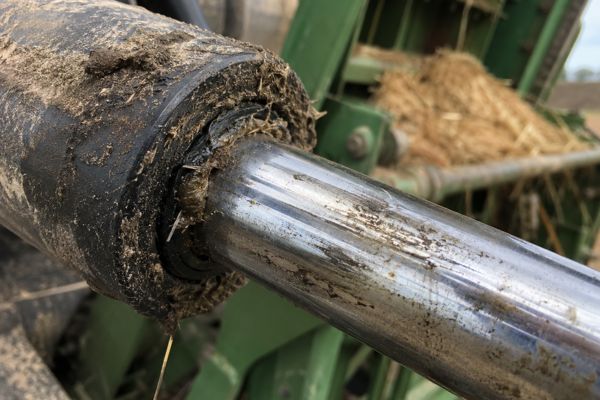
Abrasive Wear From External Grit
When the rod retracts, the wiper is supposed to remove debris, but high-pressure silage juice can force grit past the wiper. Once inside, these particles get trapped between the rod and the bushings, causing deep longitudinal scratches.
- Particles score the chrome, creating “gutters” for oil to escape.
- Grit holds moisture against the metal, localized corrosion in the scratches.
- Contaminated oil wears down the pump and control valves internally.
Why Silage Debris Is Particularly Dangerous
Silage debris is not just abrasive; it is chemically active. Small pieces of fermented matter trapped in the seal area provide a constant source of acid that eats into the rod even when the machine is turned off.
Investing in high-quality rod wipers is the most effective way to combat external contamination. A healthy wiper prevents 90% of the particles and acids from ever reaching the critical seal interface.
| Contaminant Type | Source | Damage Mechanism | |
|---|---|---|---|
| Sand/Grit | Field conditions | Surface scoring | |
| Silage Fiber | Loading process | Acid trapping | |
| Water | Washing/Rain | Rust and oil dilution |
What Maintenance Protects Taligate Hydraulic Cylinder Rods?
Proactive maintenance protects taligate hydraulic cylinder rods by removing caustic residues before they can penetrate the rod’s surface coating. Establishing a daily cleaning and inspection routine is the most cost-effective way to prevent chemical damage.
The Importance Of Daily Rinsing
Rinsing the rods with low-pressure water after every shift removes the bulk of the silage acids. This simple step stops the chemical reaction before it has time to etch the chrome surface or penetrate the micro-cracks.
- Low pressure is key; high pressure can force water past the seals.
- Focus on the area where the rod meets the cylinder head.
- Use a pH-neutral cleaner if the silage residue is particularly sticky.
Lubrication As A Barrier
Applying a thin layer of specialized grease or protective oil to the exposed rod provides a physical barrier against acid. This “sacrificial” layer ensures that the silage juice never makes direct contact with the metal.
Creating a maintenance checklist ensures that your operators don’t overlook these small but vital tasks during the busy harvest season. Consistency is the difference between a cylinder that lasts ten years and one that fails in two.
| Maintenance Task | Frequency | Benefit | |
|---|---|---|---|
| Low-Pressure Rinse | Daily | Removes active acids | |
| Wiper Inspection | Weekly | Prevents grit ingress | |
| Protective Coating | Monthly | Adds a chemical barrier |
Conclusion
The combination of acidic fermentation and harsh mechanical environments makes silage one of the most difficult materials for hydraulic systems to handle. By understanding how acidity, moisture, and mechanical stress converge to destroy your equipment, you can take the necessary steps to protect your investment. The problems of surface pitting, seal failure, and structural weakening are solvable through the right combination of high-quality components and disciplined maintenance.
Protecting your fleet requires a vision of longevity and a commitment to using parts that exceed standard specifications. We are dedicated to providing robust solutions that thrive in the toughest agricultural conditions. For expert guidance on upgrading your systems and selecting the right components for your specific needs, contact us today and speak with our technical team.
FAQ
Can I prevent corrosion with regular grease?
Yes. Applying a thin, consistent layer of water-resistant grease creates a physical barrier that prevents acidic silage juice from making direct contact with the chrome plating on the rod.
What’s the best way to clean rods after silage exposure?
The best way is to use a low-pressure water rinse combined with a pH-neutral soap to neutralize any remaining acids without forcing moisture past the hydraulic seals.
Can I repair a rod that has already started pitting?
It depends. If the pitting is shallow and localized, the rod can sometimes be polished and re-chromed, but deep pitting usually requires a full rod replacement to ensure seal integrity.
How often should I replace the rod wipers?
You should replace them at the first sign of cracking, hardening, or loss of tension, as a failing wiper is the primary entry point for the contaminants that cause rod failure.
Does cold weather make silage corrosion worse?
No. While cold weather makes seals more prone to leaking due to contraction, the chemical reaction of corrosion actually slows down in lower temperatures compared to summer heat.