
Why Do Small Spout Tilt Hydraulic Cylinders Fail Early?
Small spout tilt cylinders are often ignored until failure because their compact size and secondary functions allow minor issues to go unnoticed during routine heavy-duty checks. You likely focus your attention on the primary lift arms and drive motors that power your daily operations. But wait, if the tilt function fails, your precision and safety are immediately compromised. Upgrading to high-quality small spout tilt cylinders and maintaining them properly ensures that your equipment remains versatile and reliable in every application.
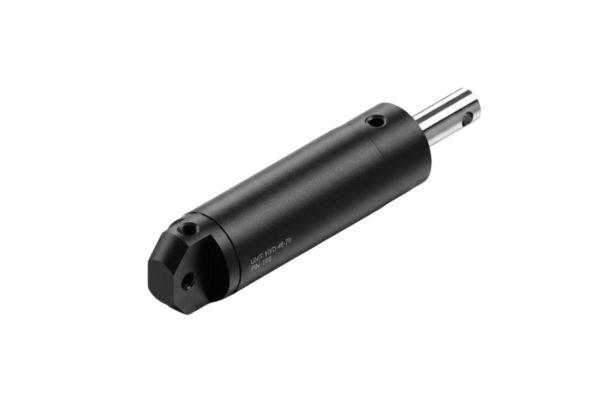
Do Hydraulic Leaks Affect Performance?
Yes, leaks in small spout tilt cylinders directly reduce the pressure available for precision movements and lead to significant fluid loss. These leaks often start as small damp spots that are easily overlooked during a busy workday.
Detecting Seal Failure
A hardened or cracked seal is the most common culprit behind external fluid loss. When seals fail, the cylinder cannot maintain the internal pressure required to hold a load.
- Check for wetness on the rod
- Look for puddles under the machine
- Inspect the cylinder head for cracks
Reducing Pressure Loss
Pressure loss can cause your equipment to feel sluggish or unresponsive when you need it most. This happens because the fluid bypasses the piston inside the cylinder barrel. Identifying these internal leaks early prevents the pump from overworking and overheating.
Maintaining tight seals preserves the hydraulic integrity of your system and prevents secondary component wear.
| Problem | Symptom | Action | |
|---|---|---|---|
| Seal Hardening | External Leak | Replace Seal Kit | |
| Piston Wear | Low Power | Reseal Piston |
Why Do Small Spout Tilt Cylinders Leak?
Environmental abrasion and loose fittings are the primary reasons why small spout tilt cylinders develop leaks over time. Because these cylinders are often positioned near the work tool, they are constantly exposed to dirt and debris.
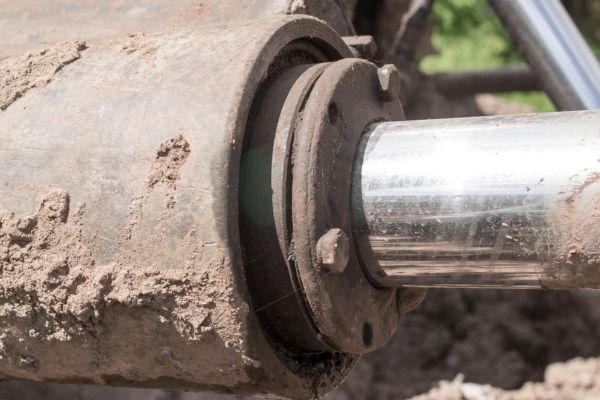
Checking Hose Integrity
Hoses that rub against the machine frame will eventually burst under pressure. You should inspect the entire length of the hose for any signs of the steel braid showing through the rubber.
- Use protective sleeves on hoses
- Ensure all clamps are tight
- Look for kinking during movement
Managing Fitting Stress
Vibration from heavy operation can loosen even the best fittings, leading to a steady drip. These connections must be checked for tightness as part of your daily walk-around. Securing these connections ensures that your cylinders receive the full flow required for smooth operation.
Protecting your hoses and fittings reduces the risk of sudden blowouts and environmental contamination.
| Component | Risk Factor | Prevention | |
|---|---|---|---|
| Hydraulic Hose | Surface Abrasion | Add Sleeves | |
| Hose Fitting | Machine Vibration | Torque Check |
What Causes Involuntary Cylinder Drift?
Cylinder drift in small spout tilt cylinders occurs when internal seals fail or control valves lose their ability to hold pressure. This results in the spout slowly moving out of position even when the controls are in neutral.
Identifying Valve Issues
But wait: if your cylinder moves on its own, the control valve might be worn or contaminated. A faulty valve allows fluid to slip back into the reservoir instead of staying in the cylinder.
- Test valves under load
- Clean the valve block regularly
- Replace worn spools immediately
Testing Internal Seals
Internal bypass happens when fluid moves across the piston seal inside the cylinder. This is often invisible from the outside but causes the cylinder to lose its holding power. Conducting a drift test helps you determine if the issue lies within the cylinder or the control valve.
Resolving drift issues restores the precision of your machine and prevents accidents caused by moving parts.
| Issue | Cause | Fix | |
|---|---|---|---|
| Cylinder Drift | Piston Seal Leak | Replace Seals | |
| Valve Leakage | Worn Valve Spool | Repair Valve |
How Do Small Spout Tilt Cylinders Bend?
Heavy impacts and debris strikes are the most common ways small spout tilt cylinders suffer from bent or scratched rods. When the rod is no longer straight, it can bind in the gland and destroy the seals.
Avoiding Debris Impact
A single rock hitting the rod can create a burr that shreds your new seals in minutes. You must keep the work area clear of large obstructions that could strike the cylinder body.
- Use cylinder guards
- Clear the work path
- Avoid side-loading the rod
Maintaining Rod Surface
A smooth rod surface is critical for maintaining a tight seal during the extension and retraction cycles. If you notice scratches or chrome pitting, the rod must be polished or replaced. Regular cleaning prevents abrasive dust from being pulled into the cylinder housing.
Keeping your cylinder rods straight and clean prevents catastrophic seal failure and expensive barrel damage.
| Damage Type | Source | Prevention | |
|---|---|---|---|
| Bent Rod | Overloading | Use Within Limits | |
| Scratched Rod | Abrasive Debris | Install Boots |
Why Is Cylinder Operation Suddenly Jerky?
Jerky operation in small spout tilt cylinders is typically a result of trapped air in the system or critically low fluid levels. This “chattering” movement makes it nearly impossible to perform delicate tasks.
Bleeding Trapped Air
Air is compressible, while hydraulic fluid is not, which creates an elastic effect in the cylinder. When air enters the lines, the cylinder will jump and stutter during movement.
- Open the bleed valves
- Cycle the cylinder fully
- Check for suction leaks
Monitoring Fluid Levels
Low oil levels cause the pump to draw in air, leading to cavitation and erratic cylinder movement. You must ensure the reservoir is always filled to the proper operating level. Maintaining clean, full fluid protects the pump and ensures consistent cylinder speed.
Eliminating air and maintaining fluid levels ensures your equipment operates with the smoothness required for professional work.
| Symptom | Primary Cause | Solution | |
|---|---|---|---|
| Jerky Motion | Air In System | Bleed Lines | |
| Slow Speed | Low Fluid | Top Up Oil |
Can Small Spout Tilt Cylinders Misalign?
Yes, misalignment in small spout tilt cylinders is a silent issue that causes uneven wear on the pivot pins and the cylinder barrel. This typically happens when the mounting brackets become bent or the bushings wear out.
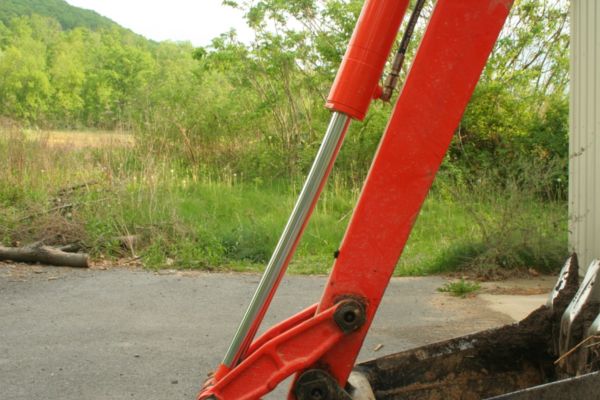
Inspecting Pivot Points
A worn bushing can put enough side-load on a cylinder to cause the rod to snap under pressure. You must regularly inspect the pins and bushings for any signs of excessive play.
- Grease pivot pins daily
- Check for oval-shaped holes
- Replace worn bushings early
Mounting Safety Checks
Loose mounting bolts can allow the cylinder to shift during operation, leading to structural stress. You should verify that all mounting hardware is torqued to the manufacturer’s specifications. Ensuring a straight line of force protects the internal components from premature failure.
Managing alignment through regular lubrication and hardware checks extends the operational life of your pivot joints.
| Component | Wear Sign | Maintenance | |
|---|---|---|---|
| Pivot Pin | Metal Shavings | Add Grease | |
| Mounting Bolt | Visible Looseness | Tighten To Spec |
Can Corrosion Lead To Structural Failure?
Moisture and salt exposure lead to corrosion in small spout tilt cylinders that weakens the metal body and pits the rod. If left untreated, rust can eat through the cylinder wall and cause a high-pressure burst.
Applying Body Coatings
A layer of paint or a specialized coating can stop rust before it starts to compromise the metal. You should touch up any chips in the cylinder’s finish as soon as they appear.
- Use rust-resistant paint
- Apply protective waxes
- Wash after salt exposure
Seasonal Storage Tips
Corrosion often happens during the off-season when equipment sits idle in damp environments. You should retract the cylinders fully during storage to keep the rods protected inside the oil-filled barrel. Applying a light coat of oil to exposed rods prevents pitting during long periods of inactivity.
Preventing corrosion ensures that your cylinders remain structurally sound and capable of handling maximum pressure.
| Factor | Effect | Protection | |
|---|---|---|---|
| Salt Water | Rapid Rust | Frequent Washing | |
| Humidity | Metal Pitting | Retract Rods |
Why Do Small Spout Tilt Cylinders Clog?
Dirt and dust enter small spout tilt cylinders through failing seals or contaminated fluid, leading to internal clogs and wear. These microscopic particles act like sandpaper on the precision-machined surfaces of your system.
Improving System Filtration
A clogged filter is just as dangerous as no filter at all because it allows dirty oil to bypass the system. You must change your hydraulic filters according to the service schedule to keep the oil clean.
- Use high-efficiency filters
- Monitor filter indicators
- Change oil regularly
Cleaning Service Tools
Many contaminants are introduced during routine maintenance when dirty tools or funnels are used. You must ensure that every port and tool is wiped clean before opening the hydraulic circuit. Taking a few extra seconds to clean your workspace prevents thousands of dollars in repair costs.
Maintaining a clean hydraulic system prevents the internal abrasion that leads to premature cylinder and pump failure.
| Contaminant | Source | Prevention | |
|---|---|---|---|
| Dust / Dirt | Worn Seals | Replace Seals | |
| Metal Chips | Component Wear | Regular Flushing |
Should You Use Preventive Maintenance?
Regular maintenance of small spout tilt cylinders is the most effective way to avoid unexpected downtime and expensive emergency repairs. A proactive approach allows you to fix minor issues before they destroy the entire cylinder.
Routine Inspection Steps
Consider this: a five-minute inspection every morning can save you five hours of downtime later in the week. You should develop a checklist that covers all the critical areas of your tilt system.
- Check for fluid leaks
- Inspect hose routing
- Test for cylinder drift
Handling Equipment Right
Avoiding the temptation to overload your equipment reduces the stress placed on your small hydraulic components. Smooth, controlled movements are much better for the system than sudden, jerky impacts. Operating within the design limits of your machine ensures that the cylinders are not subjected to excessive force.
Implementing a preventive maintenance schedule keeps your equipment in peak condition and maximizes your return on investment.
| Task | Frequency | Benefit | |
|---|---|---|---|
| Visual Inspection | Daily | Early Detection | |
| Fluid Analysis | Annually | Monitor Health |
When To Swap Small Spout Tilt Cylinders?
You should replace small spout tilt cylinders when structural damage, deep barrel scoring, or repeated seal failures occur. Knowing when to stop repairing and start replacing saves you money in the long run.
Evaluating Total Wear
If the internal barrel is scored, new seals will only last a few days before they fail again. At this point, the cost of labor and parts often exceeds the price of a new unit.
- Measure barrel diameter
- Check for deep scratches
- Assess structural cracks
Scheduling Part Swaps
Planning your replacements before a total failure occurs allows you to source high-quality parts at the best price. Waiting until the machine is broken in the field leads to rushed decisions and expensive overnight shipping. Keeping a spare cylinder on hand for critical machines can eliminate downtime entirely.
Upgrading to new cylinders restores the original performance of your machine and provides peace of mind during heavy use.
| Status | Recommendation | Reason | |
|---|---|---|---|
| Minor Leak | Reseal Kit | Cost Effective | |
| Scored Barrel | Replace Unit | Permanent Fix |
Conclusion
In summary, ignoring small spout tilt cylinders leads to unnecessary downtime, reduced safety, and increased operating costs. By addressing leaks, drift, and contamination through the steps outlined here, you can restore your equipment’s precision. We have solved these common failures by providing robust, high-performance hydraulic solutions tailored for demanding B2B environments. Whether you need expert advice or premium replacement parts, contact us today to ensure your machinery never stops moving.
FAQ
Can I ignore a small leak if the cylinder still moves?
No, because small leaks lead to fluid contamination and internal pressure loss that eventually destroys the pump. Even a minor drip can allow dirt to enter the system and cause abrasive wear on precision parts.
What is the best way to stop cylinder drift?
Replacing the internal piston seals is usually the most effective fix for drift issues. Drift is almost always caused by fluid bypassing the seal, which prevents the cylinder from holding its position under load.
How often should I grease the cylinder pivot pins?
You should grease them every eight hours of operation to ensure the cylinder remains properly aligned. Frequent lubrication flushes out contaminants and prevents the metal-on-metal friction that causes bushings to fail.
Can I repair a bent cylinder rod myself?
No, because a bent rod requires specialized hydraulic presses and precision measurement tools to return to its original straightness. Using a rod that is even slightly out of alignment will immediately ruin your new seals.
What causes my hydraulic fluid to look milky?
Milky fluid is a definitive sign of water contamination, which significantly reduces the lubricating properties of the oil. You must flush the system and replace the fluid immediately to prevent corrosion and pump cavitation.