
What Causes Bucket Tilt Cylinder Leaks in Agriculture Equipment?
Bucket tilt cylinders leak faster in farm conditions because of the unique combination of abrasive organic dust, corrosive chemical exposure, and intense mechanical side-loading. Hydraulic failure on a busy farm is more than a minor inconvenience; it is a full-stop on productivity that happens at the worst possible moment. When your loader’s bucket loses its grip or leaves a trail of oil across the barn floor, your entire schedule collapses.
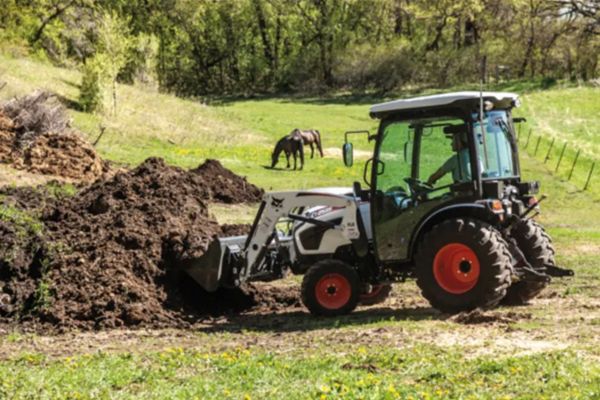
Why Do Agriculture Bucket Tilt Cylinders Leak So Frequently?
Agriculture bucket tilt cylinders leak frequently because they are exposed to a “grinding paste” of soil and crop residue that compromises seal integrity. When a bucket tilt cylinders leak occurs, it usually indicates that the external wipers have failed to keep contaminants out of the gland area. Using welded hydraulic cylinders designed for agriculture can mitigate these environmental risks significantly.
Are Farming Environments More Abrasive to Seals?
The constant presence of fine organic dust and moisture creates an abrasive environment for any moving part. As the cylinder rod retracts, these particles are pulled directly into the seal group, causing premature wear on the delicate lips.
- Silica-rich soil acts like sandpaper on chrome rods.
- Crop debris can wrap around the rod and tear external wipers.
- Moisture promotes rust on non-chromed surfaces, which eventually pits the rod.
Does High-Frequency Use Agitate Seal Wear?
Farm loaders often perform repetitive tasks that generate significant internal heat. This heat softens the polyurethane seals, making them more susceptible to tearing from the very particles they are meant to exclude.
| Factor | Impact on Cylinder | Risk Level | |
|---|---|---|---|
| Organic Dust | Accelerates seal lip abrasion | High | |
| Moisture | Promotes rust on surfaces | Medium | |
| Crop Debris | Can tear external dust wipers | Medium |
How Does Dust Make Bucket Tilt Cylinders Leak Under Pressure?
Dust and fine particulates make bucket tilt cylinders leak under pressure by bypassing the wiper seal and physically scoring the internal rod surfaces. These microscopic scratches provide a path for high-pressure fluid to escape during the work cycle.
Does Particulate Contamination Destroy Internal Rod Surfaces?
When dust enters the hydraulic system, it acts as an abrasive that damages the smooth finish of the rod and the internal bore. Once the polished surface is compromised, the seal can no longer maintain a tight, leak-free contact point.
- Hard particles create vertical scoring on the chrome plating.
- Silt buildup can clog internal filters and increase system heat.
- Metal shavings from worn components can lead to catastrophic internal leakage.
Why Is Silt a Threat to Hydraulic Systems?
Silt is particularly dangerous because it is small enough to pass through most standard filters. It eventually settles in the cylinder gland, where it wears down the piston’s surface during every stroke.
| Contaminant Type | Primary Damage | Result | |
|---|---|---|---|
| Silica/Sand | Pitting on chrome rod | Fluid bypass | |
| Metal Shavings | Scoring of the cylinder wall | Internal leakage | |
| Silt | Clogged filters and heat buildup | Seal hardening |
Can Extreme Weather Cause Bucket Tilt Cylinders Leak Failures?
Extreme weather causes bucket tilt cylinders leak failures by forcing the sealing materials to undergo rapid thermal expansion and contraction. On a farm, a bucket tilt cylinders leak is often the result of seals becoming brittle in freezing winters or softening in blistering summers.

Does Temperature Flux Compromise Seal Elasticity?
Standard polyurethane seals are designed for specific temperature ranges and may lose their “memory” during rapid weather shifts. When the material hardens in the cold, it can no longer flex to fill gaps caused by rod movement.
- Extreme cold leads to seal shrinking and static leaks.
- Operating heat causes material degradation and softening.
- Rapid cycling prevents seal lips from maintaining a constant seal.
Is Moisture a Factor in Cylinder Corrosion?
Humidity and rain can cause non-chromed areas of the cylinder to oxidize over time. If rust develops on the rod near the gland, it will act like a file against the seals as soon as the cylinder is activated.
| Temperature Range | Effect on Material | Leakage Profile | |
|---|---|---|---|
| Extreme Cold | Seal hardening and shrinking | Static leaks | |
| High Operating Heat | Material softening | Pressure leaks | |
| Rapid Cycling | Loss of seal lip memory | Intermittent drips |
Does Side Loading Help Bucket Tilt Cylinders Leak Unexpectedly?
Side loading makes bucket tilt cylinders leak unexpectedly by applying lateral force that compresses the gland seals unevenly. This creates a temporary gap where fluid can escape, especially when using a heavy duty hydraulic cylinder under maximum load.
Is Uneven Force Creating Gaps in Gland Seals?
When a loader bucket hits an obstacle at an angle, the rod is pushed against one side of the gland nut. This mechanical shift prevents the seals from making 360-degree contact with the rod surface.
- Lateral force causes ovaling of the seal group.
- Off-center lifts increase the wear on piston rings.
- Impact shocks can damage the internal rod mounts.
How Do Shocks Impact Mechanical Alignment?
Sudden impacts from rocks or uneven ground can slightly bend the rod or shift the mounting pins. These alignment issues ensure that the cylinder no longer operates in a perfectly straight line, leading to persistent drips.
| Loading Type | Component Affected | Failure Sign | |
|---|---|---|---|
| Lateral Force | Gland bearing/bushing | Ovaling of the seal | |
| Off-Center Lift | Piston wear rings | Metal-on-metal noise | |
| Impact Shocks | Cylinder mounts/pins | Fluid spraying |
Why Do Overloaded Buckets Make Bucket Tilt Cylinders Leak?
Overloaded buckets make bucket tilt cylinders leak because the excessive weight creates internal pressure spikes that exceed the rated capacity of the seals. When a bucket tilt cylinders leak starts after a heavy lift, it often indicates a ruptured piston seal or a compromised gland.

Does Excessive Pressure Rupture Cylinder Walls?
Exceeding the lifting capacity of your machine puts immense stress on the hydraulic column. If the pressure relief valve fails to activate, the fluid will force its way past the seals or through the cylinder ports.
- Weight capacity limits are designed to protect the piston seals.
- Sudden drops with a heavy load can bend the cylinder rod.
- Pressure spikes can cause the cylinder head to crack or deform.
Can Rapid Pressure Spikes Damage Welds?
Frequent overloading causes the metal to fatigue, which can eventually lead to leaks at the welded seams. High-quality custom hydraulic cylinders are often built with thicker walls to combat this specific issue.
| Stressor | Component Failure | Repair Level | |
|---|---|---|---|
| Weight Capacity | Piston seal rupture | Seal kit replacement | |
| Sudden Drop | Bent cylinder rod | Rod replacement | |
| Pressure Spike | Cracked cylinder head | Major overhaul |
Will Bent Rods Force Bucket Tilt Cylinders Leak At The Gland?
Bent rods force bucket tilt cylinders leak at the gland because they can no longer pass through the sealing group without creating gaps. Even a slight deviation from a straight line is enough to make a cylinder fail during its stroke.
Can Impact Damage Result in Permanent Fluid Loss?
A rod doesn’t have to be visibly curved to be ruined for agricultural work. Micro-bends prevent the seals from maintaining constant pressure, leading to a “weeping” effect every time the cylinder extends.
- Micro-bends cause shined spots on one side of the rod.
- Significant bends can lead to the cylinder seizing entirely.
- Vertical scratches on the rod act as channels for fluid to escape.
How Do Misaligned Rods Compromise Sealing?
When the rod is not perfectly straight, it applies more pressure to one side of the gland nut. This uneven wear quickly destroys the dual-lip seal design intended to keep the system pressurized.
| Condition | Visual Indicator | Effect on Leakage | |
|---|---|---|---|
| Micro-Bend | Shined spots on one side | Seepage during stroke | |
| Significant Bend | Cylinder seizing | Constant heavy leak | |
| Surface Scratches | Vertical lines on rod | Drip at retraction |
Do Corroded Rods Cause Bucket Tilt Cylinders Leak Issues?
Corroded rods cause bucket tilt cylinders leak issues because the rough, pitted surface of the metal acts like a saw against the rubber and polyurethane seals. Fertilizer and manure are highly corrosive, making a bucket tilt cylinders leak a common problem for livestock and crop farmers.
Is Chemical Exposure Pitting Your Chrome Rods?
Fertilizers contain chemicals that can eat through standard chrome plating if the machine is not washed regularly. Once the chrome is pitted, the rod is no longer smooth, and it will destroy any new seal kit you install.
- Urea and other fertilizers cause rapid pitting of the chrome layer.
- Animal waste can cause certain seal materials to swell or degrade.
- Road salt used during transport accelerates rust on the cylinder mounts.
Can Animal Waste Degrade Seal Compounds?
The acidic nature of animal waste can compromise the chemical stability of basic seal materials. Upgrading to specialized compounds can prevent the seals from softening and failing prematurely.
| Chemical Agent | Reaction | Mitigation | |
|---|---|---|---|
| Fertilizer | Pitting of chrome layer | Daily wash-downs | |
| Animal Waste | Seal material swelling | Viton seal upgrades | |
| Road Salt | Rust on mounts | Protective coatings |
Can Poor Maintenance Make Bucket Tilt Cylinders Leak Quickly?
Poor maintenance makes bucket tilt cylinders leak quickly by allowing contaminated fluid to circulate through the system and damage the internal seals. If you ignore regular service intervals, a bucket tilt cylinders leak is a mathematical certainty due to internal component wear.

Does Infrequent Fluid Filtration Lead to Scratches?
Hydraulic fluid is the lifeblood of your loader, and it must remain clean to protect the cylinder’s internal surfaces. Old oil carries metal flakes and silt that “sandblast” the seals from the inside out.
- Fluid sampling helps detect early signs of internal wear.
- Regular filter changes prevent the circulation of harmful debris.
- Cleaning the rod daily protects the external seal lips from damage.
Why Are Daily Rod Inspections Crucial?
Catching a leak while it is still a “mist” allows you to schedule a repair before it becomes a catastrophic puddle. Daily checks for dampness around the gland nut can save you from losing an entire day of work.
| Task | Frequency | Impact on Leakage | |
|---|---|---|---|
| Fluid Sampling | Every 500 hours | Detects early wear | |
| Filter Change | Per manufacturer spec | Prevents contamination | |
| Rod Cleaning | Daily after use | Protects seal lips |
A proactive maintenance schedule is the most effective way to ensure your hydraulic system stays pressurized and productive.
Conclusion
Don’t let a bucket tilt cylinders leak drain your farm’s profitability and safety. By identifying the signs of failure like slow movement and visible fluid loss, you can avoid the high costs of total machine downtime. At Topa, we specialize in engineering heavy-duty hydraulic cylinders that thrive in the abrasive, high-pressure environments found on modern farms. Our factory-direct solutions, featuring premium dual-lip seals and hardened chrome rods, are built to keep you working through the toughest seasons. To upgrade your equipment and eliminate leaks, contact us today for a custom quote on precision-engineered hydraulic components.
FAQ
Can I replace just the seals if my bucket tilt cylinder is leaking, or do I need a whole new unit?
Yes, you can usually replace the seals if the rod and internal barrel are still smooth and free of deep scratches.
What’s the best way to protect my cylinder rods from rust when the machine is stored outside?
The best way is to apply a light coating of grease or a specialized corrosion inhibitor to the exposed rod surfaces.
How do I know if my cylinder leak is caused by a bent rod or just a worn-out seal?
You can check by extending the rod fully and using a straightedge to look for gaps or by watching for uneven “shiny” spots on the chrome. If the leak only happens at a specific point in the stroke, it is likely a rod issue.
Can I use a higher viscosity hydraulic oil to slow down a small bucket tilt cylinder leak?
No, you should not use thicker oil as a “fix,” because it can increase system heat and damage other components like pumps and valves. It is always better to address the root cause of the leak by replacing the seals.
What’s the best material for seals when my equipment is constantly exposed to liquid fertilizers?
The best material is typically Viton or a high-spec fluorocarbon elastomer that offers superior chemical resistance. These materials won’t swell or degrade when they come into contact with harsh agricultural chemicals.