
How to Prevent Hydraulic Cylinder Breakdown with Full Inspections
Your heavy machinery is underperforming—or offline—due to a cylinder fault, driving costly downtime and missed milestones. You suspect a failure, but the culprit part isn’t clear. Ignoring early symptoms or guessing at the fix can snowball into a full hydraulic cylinder breakdown: a damaged rod, seal, or barrel often triggers a chain reaction across the assembly. This guide delivers a part-by-part breakdown so you can identify each component, understand its function, recognize wear patterns, and diagnose the root cause with confidence.
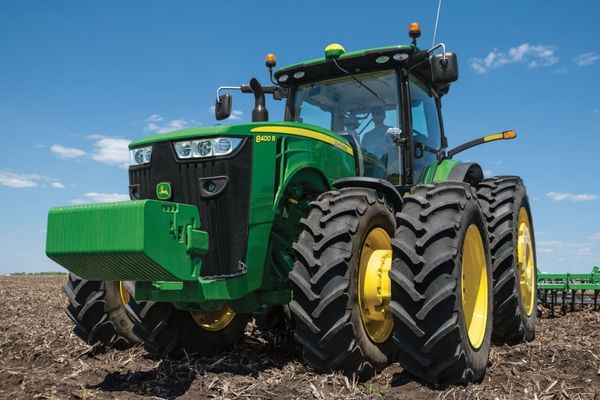
Understanding a hydraulic cylinder breakdown
How does one failed part affect the system?
A single component failure creates a domino effect throughout the hydraulic cylinder. For example, a damaged piston rod can tear the rod seals, leading to fluid leaks and pressure loss. The bottom line is: you can’t ignore even minor issues, as they will escalate.
- Contaminated fluid from one failure circulates system-wide.
- A bent rod can score the cylinder barrel.
- Seal failure leads to loss of holding force.
What are the risks of a partial repair?
Performing a partial repair is like putting a small bandage on a major wound. You might fix the immediate symptom, but the root cause remains, leading to another failure soon after. Here’s the deal: replacing only the obviously broken part is often a short-term fix that costs more in the long run.
- Underlying issues like fluid contamination are missed.
- Other worn components are left in place to fail later.
- It results in repeated downtime and labor costs.
Why is a full inspection critical?
A complete disassembly and inspection are crucial for a lasting repair, allowing you to identify all worn or damaged parts at once. This approach ensures every component meets operational standards before reassembly.
- It reveals hidden damage and wear.
- It lets you check for internal scoring or warping.
- You can verify all seals are intact.
The Barrel’s role in a hydraulic cylinder breakdown
What is the barrel’s primary function?
The cylinder barrel is the main body, serving as a pressure chamber to contain hydraulic fluid. Its smooth interior surface is critical for allowing the piston to move freely and maintain a proper seal. You might be wondering what makes it so important.
- It houses the piston and rod assembly.
- It contains high-pressure hydraulic fluid.
- Its integrity determines the cylinder’s power.
How do barrels show signs of internal wear?
Internal wear often manifests as scoring or deep scratches on the barrel’s inner wall. This damage allows hydraulic fluid to bypass the piston seal, reducing the cylinder’s efficiency and holding power. What’s the bottom line?
- Visible scratches or grooves inside the barrel.
- Jerky or erratic cylinder movement.
- A noticeable loss of force or speed.
What damage leads to a breakdown?
Severe scoring, bulging, or cracking in the barrel will inevitably cause a complete hydraulic cylinder breakdown. These issues typically result from extreme pressure spikes or contamination from metallic particles.
- Scoring from dirty hydraulic fluid.
- Bulging caused by pressures exceeding design limits.
- Cracks due to material fatigue or impact.
| Failure Symptom | Potential Cause | |
|---|---|---|
| Internal Scoring | Contaminated hydraulic fluid | |
| Barrel Bulging | Excessive pressure spikes | |
| Cracking | Material fatigue or external impact |
Protecting the barrel’s internal surface from contamination and over-pressurization is essential for preventing catastrophic failure.
Cylinder Head faults in a hydraulic cylinder breakdown
What purpose do cylinder heads serve?
Cylinder heads, or end caps, seal the ends of the cylinder barrel, creating a contained pressure chamber. The head also guides the piston rod as it extends and retracts. Here’s the deal: they are essential for preventing leaks and maintaining pressure.
- Seals the high-pressure fluid inside the barrel.
- Provides a mounting point for the cylinder.
- Houses the rod seal and wiper.
How are cylinder heads attached?
Heads are attached to barrels using several methods, depending on the cylinder’s design and duty rating. Tie-rod cylinders use external steel rods to hold the caps on, while welded cylinders have the heads directly welded to the barrel. The method of attachment is a key identifier.
- Tie-rods (common in industrial applications).
- Threading (screwed directly onto the barrel).
- Welding (for heavy-duty and compact designs).
How do damaged heads cause leaks?
Damage to the cylinder head, its sealing surfaces, or its attachment threads can compromise the cylinder’s integrity. This often results in external fluid leaks, which are a clear sign of an impending hydraulic cylinder breakdown.
- Cracked head from impact or over-pressurization.
- Damaged threads causing a loose fit.
- Worn grooves for seals leading to leakage.
| Failure Symptom | Potential Cause | |
|---|---|---|
| External leak at end cap | Damaged head seal or cracked head | |
| Loose cylinder head | Stripped threads or stretched tie-rods | |
| Rod misalignment | Worn-out rod bearing in the head |
A leaking or loose cylinder head is a critical issue that must be addressed immediately to prevent pressure loss and further damage.
Piston failure in a hydraulic cylinder breakdown
How does the piston create linear motion?
The piston is a cylindrical component that moves back and forth inside the barrel, separating the two pressure zones. Hydraulic fluid pushes against the piston, converting fluid pressure into the linear force that drives the piston rod. Essentially, it’s the engine of the cylinder.
- Separates the extend and retract pressure chambers.
- Transmits force from the fluid to the rod.
- Houses seals to prevent internal leakage.
What indicates a piston seal is failing?
A failing piston seal is a common cause of internal leakage, often called ‘blow-by.’ This means fluid is bypassing the piston, causing the cylinder to drift or lose its ability to hold a load. What’s the bottom line?
- Cylinder drifts down when holding a load.
- Slow or weak cylinder movement.
- Inability to build full pressure on one side.
How can a piston get damaged during use?
A piston can be damaged by contamination, excessive heat, or pressure spikes, leading to a hydraulic cylinder breakdown. If the piston cracks or its seal grooves are damaged, it can no longer maintain a proper seal.
- Scoring from metal particles in the fluid.
- Cracking due to pressure spikes or fatigue.
- Deformation from extreme temperatures.
| Failure Symptom | Potential Cause | |
|---|---|---|
| Cylinder drift or “blow-by” | Worn or damaged piston seals | |
| Total loss of movement | Catastrophic piston or seal failure | |
| Jerky or slow operation | Piston damage or excessive friction |
Rod damage in a hydraulic cylinder breakdown
Why is the piston rod so critical?
The piston rod is the component that transfers the force generated inside the hydraulic cylinder to the machine’s workload. Typically made of chrome-plated steel for durability, its surface must remain perfectly smooth to avoid damaging the rod seals. You might be wondering why the surface is so important.
- It transmits linear force to the work.
- Its smooth surface is vital for seal life.
- It must be strong enough to resist bending and buckling.
How does rod scoring cause a breakdown?
A scored, scratched, or pitted piston rod acts like a file, tearing up the rod seals every time it cycles. This quickly leads to external hydraulic fluid leaks, which is a clear and messy sign of failure. Here’s the deal: a damaged rod surface guarantees a leaking cylinder.
- Abrasive contaminants can scratch the chrome.
- Impact from external objects can cause dents.
- Corrosion or rust creates a rough, damaging surface.
Can a bent rod be repaired?
A bent piston rod is a serious problem that causes excessive wear on the rod gland and seals, eventually leading to a major hydraulic cylinder breakdown. In most cases, a bent rod cannot be safely straightened and must be replaced to prevent recurring failures.
- Bending is often caused by improper side-loading.
- A bent rod will quickly destroy gland bearings and seals.
- Replacement is almost always the only reliable solution.
| Failure Symptom | Potential Cause | |
|---|---|---|
| External fluid leak at rod | Scored rod surface or worn rod seal | |
| Visible bend in the rod | Excessive side-loading or impact | |
| Scoring on internal gland parts | Bent rod causing uneven wear |
Protecting the piston rod from impact and side-loading is critical, as damage to its surface is a direct cause of seal failure.
The Gland’s role in a hydraulic cylinder breakdown
What is the hydraulic gland’s role?
The gland, also called the head gland, is situated in the cylinder head and serves two main purposes: it guides the piston rod and houses the seals that prevent external leaks. It is a critical component for ensuring smooth and leak-free operation. The takeaway is simple: a healthy gland means a healthy cylinder.
- It supports and guides the piston rod.
- It contains the rod seal, wiper, and bearing.
- It prevents fluid from leaking out of the cylinder.
How can you spot a worn-out gland?
A worn-out gland often allows for excessive side-to-side movement, or ‘play,’ in the piston rod. This indicates the internal bearing is failing, which can accelerate seal wear and eventually cause a major leak. What’s the bottom line?
- Visible fluid leaks around the piston rod.
- Excessive side-to-side play in the extended rod.
- Scoring marks on the piston rod near the gland.
What happens if the gland itself fails?
Complete gland failure can cause a catastrophic hydraulic cylinder breakdown, often resulting in a high-pressure fluid spray. This can happen if the gland is cracked due to impact or if its threads are stripped, causing it to be ejected from the cylinder head.
- Gland failure is a significant safety hazard.
- It results in a total and immediate loss of pressure.
- It is often caused by extreme pressure or mechanical shock.
| Failure Symptom | Potential Cause | |
|---|---|---|
| Rod seal leakage | Worn gland bearing causing rod misalignment | |
| Excessive rod “play” | Failed or worn gland bearing | |
| Catastrophic fluid spray | Cracked or ejected gland |
The gland is essential for both sealing and support, and any signs of wear or leakage should be addressed immediately.
Worn Seals and a hydraulic cylinder breakdown
What are the different types of seals?
Hydraulic cylinders contain multiple types of seals, each with a specific job. The main ones include piston seals to prevent internal leakage and rod seals to prevent external leakage. You might be wondering what the others do.
- Piston Seals: Prevent fluid from bypassing the piston.
- Rod Seals: Prevent fluid from leaking out along the rod.
- Wiper Seals: Scrape dirt and contaminants off the rod.
- Wear Bands: Prevent metal-to-metal contact.
Does temperature affect seal choice?
Yes, temperature has a major impact on seal performance and longevity. Seals are made from different materials to suit various operating conditions. Using the wrong material can lead to premature failure.
- Nitrile Rubber: Good for standard, low-temperature applications.
- Fluoroelastomer (Viton): Ideal for high-temperature environments.
- Polyurethane: Offers excellent abrasion resistance.
When should you always replace seals?
Seals are wear items and should be replaced whenever a cylinder is disassembled for repair, regardless of their appearance. They are relatively inexpensive, and reusing old seals is a false economy that often leads to a premature hydraulic cylinder breakdown.
- If seals are brittle, cracked, or torn.
- During any cylinder disassembly or repair.
- If the cylinder has been operating in extreme temperatures.
| Seal Material | Best For | Failure Mode | |
|---|---|---|---|
| Nitrile Rubber | General purpose, lower temperatures | Becomes brittle in heat, hardens in cold | |
| Fluoroelastomer | High temperatures, chemical exposure | Less flexible in extreme cold | |
| Polyurethane | High pressure, abrasion resistance | Can degrade with water (hydrolysis) |
Common causes of a hydraulic cylinder breakdown
How does fluid contamination cause failure?
Contaminated hydraulic fluid is the number one cause of hydraulic system failures. Tiny particles of dirt, water, or metal act like sandpaper, scouring internal components and destroying seals. Here’s the deal: clean fluid is the lifeblood of your cylinder.
- Abrasive particles wear down seals and surfaces.
- Water contamination can cause rust and corrosion.
- Sludge can clog small orifices and cause sluggish operation.
Is side-loading a major risk factor?
Side-loading occurs when a lateral force is applied to the piston rod, pushing it to one side. This places extreme stress on the piston, rod, and gland bearings, causing premature wear and seal failure. The bottom line is this: hydraulic cylinders are designed for push-pull force only.
- It causes bending stress on the piston rod.
- It leads to oval-shaped wear on the gland bearing.
- It is a leading cause of bent rods and scored barrels.
Can incorrect pressure cause a breakdown?
Operating a hydraulic cylinder above its maximum pressure rating can cause a catastrophic hydraulic cylinder breakdown. Pressure spikes can bulge the barrel, crack the end caps, or even break the piston rod.
- Over-pressurization stresses all components beyond their limits.
- It can cause immediate, catastrophic failure.
- Pressure relief valves must be set correctly to prevent this.
| Failure Cause | Primary Effect | Prevention Method | |
|---|---|---|---|
| Fluid Contamination | Abrasive wear on seals and surfaces | Maintain proper fluid filtration | |
| Side-Loading | Bent rods and worn gland bearings | Ensure proper cylinder alignment | |
| Over-Pressurization | Component cracking or bulging | Use and correctly set pressure relief valves |
Preventing the three main killers—contamination, side-loading, and over-pressurization—is the most effective way to extend cylinder life.
Preventing your next hydraulic cylinder breakdown
Why expert diagnosis matters
This guide has shown how each internal part, from the barrel to the smallest seal, can contribute to a hydraulic cylinder breakdown. While you are now equipped to diagnose issues more effectively, complex failures often require a professional eye. Here’s the deal: expert help saves time and money.
- Professionals have specialized diagnostic tools.
- They can spot subtle signs of wear you might miss.
- An accurate diagnosis is the first step to a reliable repair.
What are your options for repair?
If you’re facing a breakdown, Topa offers expert repair services to address any failure, no matter the cause. We also provide high-quality, OEM-spec replacement parts and seal kits to get your equipment running again. You have options to fit your needs and budget.
- Full-service cylinder repair at our facilities.
- OEM-quality replacement parts for DIY repairs.
- Custom seal kits for any cylinder model.
How to partner with an expert
Our mission is to engineer and supply the most reliable hydraulic solutions, maximizing your operational uptime. Don’t let a failed cylinder bring your operation to a halt.
- We have nearly 50 years of experience.
- Our team can handle any type of cylinder
Is your equipment down? Don’t wait. Contact Topa now for immediate repair assistance or to order the parts you need to prevent your next hydraulic cylinder breakdown.
FAQ
1. How do I know if my cylinder needs repair or replacement?
It depends on the extent of the damage. If critical components like the barrel or piston rod are severely scored or bent, replacement is often more cost-effective than a complex repair.
2. Can I repair a complex hydraulic cylinder myself?
It is not recommended for high-pressure or complex cylinders. Improper assembly can lead to immediate failure and create a serious safety hazard, so professional service is the safest choice.
3. What are the first signs of a hydraulic cylinder breakdown?
The earliest signs are often subtle, such as a slight fluid leak, a minor loss of speed or power, or a ‘drifting’ of the cylinder when holding a load.
4. How often should I inspect my hydraulic cylinders?
You should perform daily visual inspections for leaks or damage. A more thorough operational check should be part of your machine’s regular preventive maintenance schedule.
5. Does operating temperature affect my cylinder’s lifespan?
Yes, absolutely. Both excessively high and low temperatures can degrade seals, affect fluid viscosity, and lead to premature failure if the cylinder is not designed for those conditions.