
Hydraulic Cylinders Built for
Heavy-Duty Equipment & OEM Systems
Engineered for construction, agriculture, mining, and industrial machinery. Stable performance under high pressure, long stroke, and harsh working conditions.
Hydraulic Cylinder Product Range
Choose the right hydraulic cylinder type fast—each option below is designed for a specific duty cycle, mounting style, and working environment.

Double Acting Hydraulic Cylinders
For controlled extension and retraction when you need power in both directions.

Single Acting Hydraulic Cylinders
For push-only jobs where gravity or external force handles the return stroke.

Telescopic Hydraulic Cylinders
For long stroke travel when you have limited retracted installation length.

Tie Rod Hydraulic Cylinders
For industrial systems that need standardized sizes and easy field servicing.

Welded Hydraulic Cylinders
For mobile and heavy-duty equipment that runs in dirt, shock, and high cycle work.

Custom Hydraulic Cylinders
For OEM projects that require special dimensions, mounts, ports, or seal systems.
Common Hydraulic Cylinder Problems That Cause Downtime
For OEM builders and maintenance teams, these issues lead to machine stops, rework, warranty claims, and delayed deliveries. This section highlights the problems that most often create real cost in the field.
Early Leakage & Seal Blowout
Seals fail too soon due to wrong material, poor groove design, temperature mismatch, or contaminated oil—causing leaks, cleanup, and repeat downtime.
Side Load From Wrong Mounting
Incorrect mounting style or misalignment creates bending force—leading to rod scoring, bearing wear, and shortened cylinder life.
Rod Damage & Chrome Peeling
Poor surface finish, weak plating, or wrong wiper selection allows dust ingress and scoring—causing leaks, seal cutting, and premature rebuilds.
End-of-Stroke Impact & No Cushioning
Without proper cushioning and stroke control, cylinders hit hard at the end—cracking mounts, loosening pins, and creating noise and failures.
Port / Thread Mismatch & Rework
Wrong port type (BSPP/NPT/SAE), orientation errors, or unclear drawings force re-machining and assembly delays—especially painful for OEM lines.
Unstable Quality & Unpredictable Lead Time
Batch inconsistency and late delivery disrupt your assembly schedule, create warranty risk, and delay shipments to your end customers.
Why Hydraulic Cylinders Can't Be Selected Like Standard Parts
Unlike off-the-shelf components, hydraulic cylinders require precise matching to your equipment's working conditions. Here's what separates reliable cylinders from costly failures.
Same Pressure Rating ≠ Same Performance
Two cylinders with identical pressure ratings can perform differently based on bore quality, wall thickness, and manufacturing tolerances. Surface finish and material grade determine real-world durability.
Mounting Type & Side Load Management
The mounting style dictates how forces transfer through your equipment. Wrong mounting creates bending moments that exceed rod strength, causing premature wear and catastrophic failure.
Sealing System Matches Operating Environment
Temperature extremes, contamination levels, and duty cycles require specific seal materials and configurations. Generic seals fail quickly in demanding conditions.
Material & Manufacturing Process Impact
Steel grade selection, heat treatment protocols, and machining precision affect fatigue resistance and consistency across production batches.

How We Solve These Hydraulic Cylinder Problems
We don’t just supply cylinders. We help you prevent failures with engineering support, controlled production, and repeatable quality—so your equipment runs longer with fewer warranty issues.
Seal System Matching for Real Working Conditions
We select seals based on pressure, temperature, speed, and media—then confirm groove and finish requirements before production.
- Options for high-temp, dust, and muddy environments
- Wiper + rod seal + buffer seal combinations to reduce blowout
Mounting Selection to Reduce Side Load
We help you choose the right mounting style and pin/bushing setup to avoid bending, misalignment, and premature wear.
- Mounting recommendation based on load direction and stroke
- Clevis/trunnion/flange options for OEM layouts
Rod Surface Control to Prevent Scoring
We control rod material, heat treatment, plating, and surface finish to reduce corrosion and seal cutting in dirty jobsites.
- Chrome / treated rod options for corrosion and abrasion
- Wiper strategy for dust, sand, and metal chips
Cushioning & Stroke Control for Smooth Stops
We add cushioning and tune the end-of-stroke design to reduce impact, noise, and mounting cracks in heavy-duty cycles.
- Optional cushioning for both extend and retract
- Buffers and bearing guidance for long strokes
Port & Drawing Verification Before Machining
We check thread type, port position/orientation, and installation clearances to prevent rework and assembly-line delays.
- BSPP / NPT / SAE / Metric options with clear confirmation
- Drawing review + photo confirmation for replacements
Repeatable Quality + Stable Delivery for OEM Orders
We use defined inspection points and controlled processes so each batch matches your spec—helping you keep production on schedule.
- 100% key-dimension checks and traceable records
- Fast quote + confirmed lead time before order
Critical Components That Determine Cylinder Reliability
These are the parts that most often decide leak rate, wear speed, and service life. Use this checklist to specify the right configuration for your application.

1 Cylinder Barrel (Tube + Bore Finish)
Bore straightness and honing quality directly affect seal wear, internal leakage, and smooth motion under pressure.
2 Piston Rod (Material + Surface Protection)
Rod hardness and surface finish decide whether the wiper can keep dirt out and whether seals get cut by scoring.
3 Sealing System (Leak Control + Contamination Protection)
Seal material must match temperature and fluid type; the wrong combination leads to leakage, blowout, and fast wear.
4 Mounting (Alignment + Side-Load Management)
The right mount transfers load correctly; the wrong mount introduces side load that bends rods and destroys bearings.
Materials & Manufacturing Choices That Protect Reliability
Cylinder life is decided by a few key process controls. These are the choices that most often separate stable OEM supply from repeated leakage and early wear.
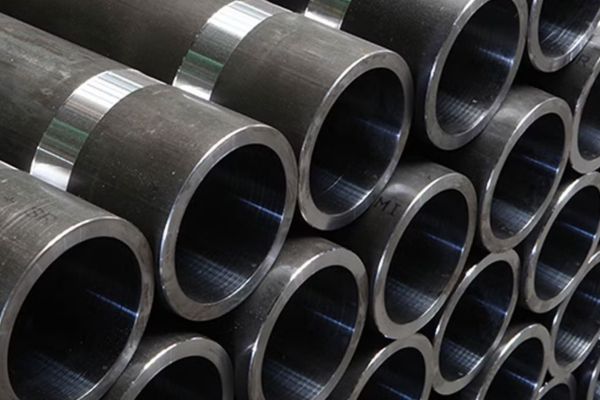
Tube Honing (Bore Finish)
Bore straightness and surface finish decide seal wear and internal leakage under pressure.
- Stable bore geometry for smooth motion
- Better seal life in long duty cycles

Rod Chrome & Induction Hardening
Rod surface protection prevents corrosion, scoring, and seal cutting in dirt, mud, and salt exposure.
- Reduced wear on wiper and rod seal
- Better resistance to side-load damage

Welding Standard (Strength & Safety)
Controlled welding prevents cracks, leakage paths, and mounting failures under shock load.
- Weld consistency for repeat OEM batches
- Less risk of mount cracking in cycles

Surface Treatment (Corrosion Control)
Coating selection protects the barrel and mounts from rust that spreads into seals and fasteners.
- Outdoor / wet / chemical environment options
- Longer service intervals with less rust
Applications & Industry Solutions
Pick the scenario that matches your equipment. Each solution highlights the typical load, environment, and configuration choices that prevent early failure.
 Construction
Excavators, Loaders, Earthmoving
Built for shock load, dust, and high-cycle operation on job sites.
- Welded design + stronger mounts for impact
- Rod protection + wiper strategy for dirt
 Agriculture
Tractors, Harvesters, Implements
Designed for mud, moisture, and frequent outdoor storage.
- Corrosion control for rod and barrel
- Mounting guidance to reduce misalignment
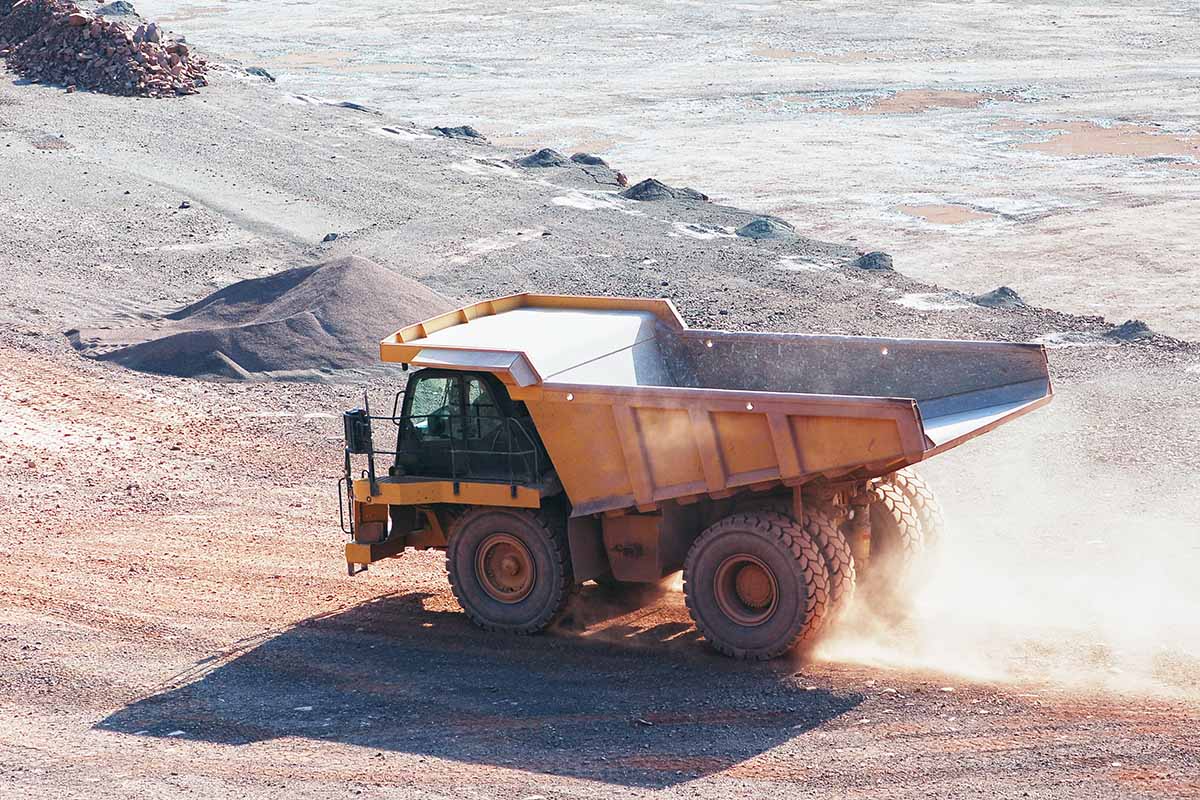 Mining
Dumpers, Crushers, Quarry Equipment
Focused on heavy loads, abrasion, and harsh contamination.
- Reinforced sealing + abrasion-resistant rod
- Cushioning to reduce end-of-stroke impact
 Industrial
Presses, Automation, Production Lines
Built for stable motion, repeat accuracy, and easy servicing.
- Tie-rod options for maintenance access
- Port orientation for clean hose routing
 Truck / Trailer
Tippers, Hoists, Tailgates
Optimized for lifting duty cycles and compact installation.
- Telescopic options for long stroke
- Stable lead time for fleet projects
 Handling
Forklifts, Stackers, Platforms
Designed for smooth control, safety, and stable performance.
- Seals matched to frequent start-stop cycles
- Cushioning to reduce end impact
Core Differentiators That Help You Decide Fast
If you’re choosing a cylinder supplier for OEM or repeat orders, the real cost is not the unit price—it’s downtime, rework, and warranty risk.
Why We’re Not “The Cheapest”
Cheaper cylinders often shift cost into your production—leaks, misfit mounts, inconsistent dimensions, and faster wear.
- We confirm mounts, ports, and key dimensions before machining to prevent rework.
- Seal and rod surface choices are matched to your environment, not “one set fits all.”
- Every batch follows the same checkpoints so specs don’t drift over time.
Why Our Quality Is Stable
Stability means you can reorder and assemble without surprises—same fit, same stroke, same performance.
- Controlled tube honing and rod surface finish to protect seals.
- Defined inspection points for key dimensions and assembly consistency.
- Drawing-based verification so port orientation and mounts stay consistent.
Why We Fit Long-Term Cooperation
For repeat orders, you need a supplier that can follow your spec, react fast, and keep delivery predictable.
- Fast engineering feedback on drawings and replacements.
- Volume flexibility with planned production and component sourcing.
- Clear communication for timeline, progress, and changes.
Manufacturing Capacity to Support Your Growth
Our production infrastructure and partner network ensure consistent supply for both prototype orders and high-volume OEM programs.


Precision machining with repeatable tolerances for stable assembly quality.
Flexible capacity for samples, batch orders, and long-term OEM supply.
Experience supporting construction, agriculture, and industrial machinery.
Continuous improvement across design, welding, assembly, and inspection.
Complete Manufacturing Capabilities
In-House Facilities
Key processes controlled internally for stable quality and lead time.
Partner Network
Qualified partners for special treatments and volume scaling.
Material Sourcing
Traceable tube and rod materials with consistent mechanical properties.
Inventory Management
Stocked materials enable faster turnaround on repeat programs.
Hydraulic Cylinder Manufacturing Process
From tube honing to final testing, each step is controlled to keep dimensions stable, seals lasting longer, and batch quality repeatable for OEM supply.

Material Inspection & Traceability
Tube and rod materials are checked for dimensions and consistency before production to reduce batch variation.

Tube Cutting, Boring & Honing
Honed bores improve surface finish and straightness, helping seals last longer with less leakage risk.

Rod Machining & Surface Treatment
Rod turning plus chrome / hardening options improve wear and corrosion resistance in harsh environments.

Head / End-Cap Processing
Precision machining keeps alignment stable and reduces side-load issues caused by assembly tolerance stack-up.

Clean Assembly (Seals & Bearings)
Seal kits are selected by pressure, temperature, and contamination level to prevent early leakage and scoring.

Testing, Final Inspection & Packing
Function checks and key dimension inspection confirm consistency; packing protects rod surface and ports in transit.
Buying Guide: Avoid Costly Hydraulic Cylinder Mistakes
Most failures come from wrong specifications. These 4 mistakes are the fastest way to create leaks, mount damage, and downtime.
1 Longer Stroke ≠ Better
Excess stroke increases rod deflection and side-load risk—often accelerating seal wear and unstable movement.
2 Pressure Only (Ignoring Side Load)
Side load kills cylinders faster than pressure. Misalignment causes rod scoring, bearing failure, and early leakage.
3 Wrong Mounting Breaks the Lug
Wrong mount style changes load direction, creating bending moment—leading to cracks or ear break under shock load.
4 Seals Not Matched to Conditions
Temperature, fluid, dust, and speed decide seal selection. Wrong materials harden or extrude, causing fast leakage.
What Our Long-Term Partners Say
Feedback from equipment makers who care about consistent cylinder quality, stable lead times, and fast engineering response.
We buy welded cylinders for our excavator attachments line. What matters most is consistency across batches. Bore and rod dimensions stay within spec, the rod finish is uniform, and seals run stable in real work conditions. Their team confirms key tolerances before production, which reduces rework during assembly.
The engineering support is why we continue. We had recurring issues from side load at the mounting point. Their engineers reviewed the geometry, recommended changes, and matched a bearing solution for the load path. After the update, field failures dropped and communication stayed consistent.
Stable lead time is key for our production plan. Our custom telescopic cylinders ship on schedule, and the packing protects rods and ports well for overseas transport. Receiving checks are smoother, and we can keep inventory planning under control.
Export Logistics Designed for Global Customers
Packaging, documentation, and freight coordination are built to reduce damage risk and keep your production plan on schedule.

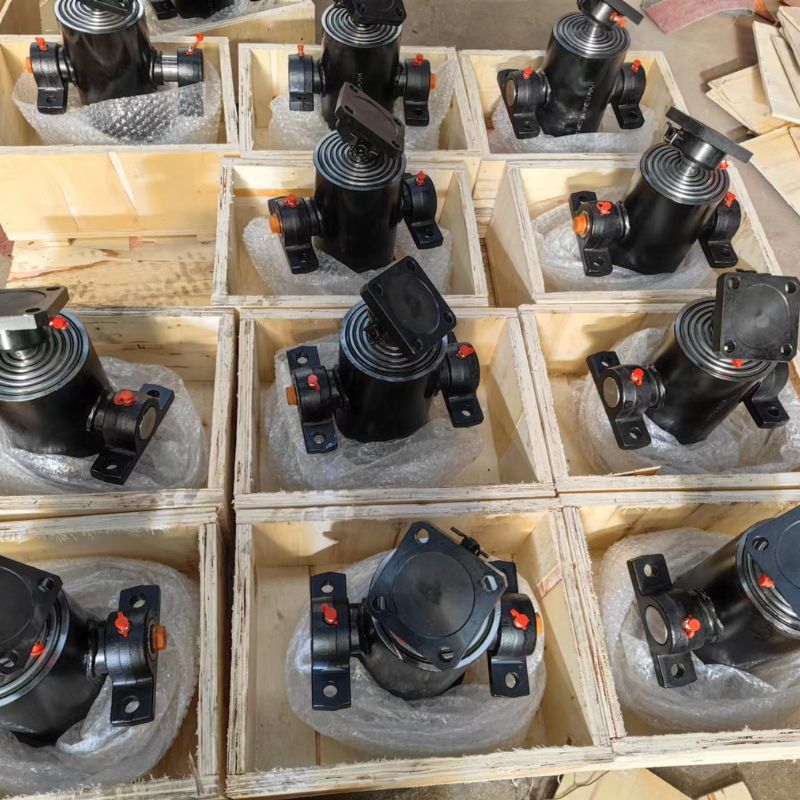
Export-Grade Packaging
Protection focused on rod surface, ports, and impact resistance.
- Wooden crates + internal bracing
- VCI anti-rust wrap for ocean transit
- Rod/port caps to keep contamination out

Clear Labeling & Packing List
Easy receiving and faster customs clearance.
- Part No. / Qty / handling marks
- Packing list with key specs
- Optional local-language labels

Sea & Air Freight Options
Choose the best balance of cost and speed for your program.
- Sea freight for volume orders
- Air freight for urgent downtime
- Export docs handled by our team

Delivery Time Management
Keep your assembly plan predictable with status updates.
- Typical production: 4–6 weeks
- Expedited slots (case-by-case)
- Tracking + proactive delay notice
Frequently Asked Questions
Common questions about hydraulic cylinder specifications, customization, lead time, and long-term supply support.
Can you manufacture hydraulic cylinders according to our drawings or specifications?
Yes. We manufacture hydraulic cylinders based on customer drawings or technical requirements, including bore, stroke, working pressure, mounting type, and sealing system. Our engineers review all specifications before production to confirm suitability for the application.
What information is required to quote a hydraulic cylinder accurately?
We recommend providing bore size, stroke length, working pressure, mounting configuration, operating temperature range, and application details. Quantity and delivery timeline also help determine pricing and lead time.
What is the minimum order quantity for custom hydraulic cylinders?
Initial custom orders typically start from 5–10 units depending on complexity. This allows customers to verify performance before scaling up for repeat production.
What are the typical production lead times for hydraulic cylinders?
Production lead time is generally 3–6 weeks after order confirmation. Repeat orders with established designs can be completed faster due to prepared materials and processes.
Can you supply replacement cylinders compatible with existing equipment brands?
Yes. By reviewing the original cylinder dimensions and operating conditions, we can manufacture compatible replacement cylinders and optimize designs if reliability issues exist.
Work Directly with a Hydraulic Cylinder Manufacturer
Topa designs and manufactures hydraulic cylinders for construction equipment, agricultural machinery, lifting systems, and industrial applications. Our engineering team evaluates working pressure, load conditions, stroke requirements, and mounting geometry to ensure each cylinder is properly matched to its application. From drawing review to final testing, every cylinder is built for stable performance, long service life, and reliable field operation.
- Custom bore, stroke, pressure rating, ports, and mounting configurations
- Side-load analysis, sealing selection, and durability-focused design optimization
- Stable production capacity with dedicated cylinder machining and assembly lines
- 100% pressure testing, traceable records, and responsive after-sales support