
How to Identify Hydraulic Cylinder Gland Types for Accurate Maintenance
Your hydraulic equipment is underperforming or has failed entirely, creating costly downtime and frustration. You may know the cylinder is the source of the problem, but pinpointing the exact internal part isn’t always straightforward—especially when different hydraulic cylinder gland types come into play. Overlooking a minor leak or sluggish operation can be a costly error. What begins as a simple worn seal can escalate quickly, damaging the piston rod or barrel and turning an easy repair into a complete rebuild. This guide gives you a clear, part-by-part breakdown of a hydraulic cylinder, showing how components interact with various hydraulic cylinder gland types so you can diagnose issues accurately and make confident, cost-effective repair decisions.
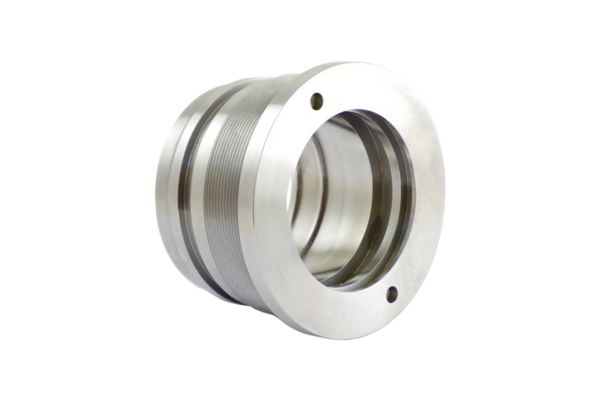
Why do hydraulic cylinder gland types matter for barrels?
How does the barrel finish affect sealing?
The barrel is the main body of the cylinder, designed to contain system pressure. Its internal surface is honed to a smooth finish, typically between four and 16 micrometers. This smoothness is critical for the proper function and longevity of the internal seals that move within it. An imperfect surface can quickly shred seals, leading to internal bypassing and pressure loss.
What are single vs. double-acting barrels?
Barrels are configured for different operations. The two main types are:
- Single-Acting: These barrels have a port at one end. Fluid pressure extends the rod, and an external force (like gravity or a spring) retracts it.
- Double-Acting: These have ports at both ends. Hydraulic pressure is used for both extension and retraction, allowing for powered motion in two directions.
| Feature | Specification | Importance for Gland Seals |
| Internal Finish | 4-16 micrometers | Ensures a smooth path for piston seals, preventing wear. |
| Action Type | Single or Double-Acting | Determines pressure application and port configuration. |
The barrel’s integrity directly impacts the pressure environment the gland must seal against.
How do end caps affect hydraulic cylinder gland types?
What is the main function of a cylinder head?
Cylinder heads, also known as end caps, enclose the pressure chamber at each end of the barrel. The rod-end head is particularly important as it houses the gland and sealing components. Its primary job is to secure the assembly and prevent any hydraulic fluid from leaking out along the piston rod.
How are heads attached to the barrel?
The attachment method determines the cylinder’s durability and ease of service. Heads can be secured using high-strength threaded tie rods that clamp them to the barrel, welded directly for a robust and permanent bond, or screwed into the barrel. Each style has its place in different industrial applications.
| Attachment Method | Description | Primary Advantage |
| Tie-Rod | External steel rods hold caps on both ends. | Easy to disassemble and repair. |
| Welded | Caps are welded directly to the barrel. | Very strong and compact design. |
| Screwed | Head threads directly into the barrel. | Simple for lower-pressure applications. |
The end cap’s design directly interfaces with and provides the housing for the gland itself.
What connects the base to hydraulic cylinder gland types?
Is the cylinder base the same as the gland?
The terminology can be confusing. The “base” can refer to the cap end of the cylinder (opposite the rod), but in some contexts, it’s used to describe the rod-end head assembly where the gland resides. The gland itself is the component, or series of components, that contains the seals at the rod opening.
How does the base design influence gland access?
The design of the rod-end head, or base, dictates how easily you can access the gland for maintenance. A tie-rod cylinder allows for complete disassembly by removing the nuts, giving full access. A welded cylinder, however, often requires cutting the weld to access internal components, making repairs more complex.
| Component | Function | Relation to Gland |
| Cylinder Base (Cap End) | Encloses the non-rod end of the cylinder. | Anchors the assembly opposite the gland. |
| Rod-End Head | Houses the gland and sealing system. | Directly contains and supports the gland. |
The cylinder’s base construction determines the serviceability of the internal gland.
How do pistons relate to hydraulic cylinder gland types?
What is the primary function of a piston?
The piston is a cylindrical component that moves back and forth inside the barrel. Its main job is to separate the two pressure zones within the cylinder. When high-pressure fluid is pumped into one side, it pushes on the piston, causing it and the attached piston rod to move and generate force.
How do piston seals contribute to the system?
Piston seals are fitted around the piston’s circumference. They prevent fluid from bypassing the piston and leaking from the high-pressure side to the low-pressure side. This is distinct from gland seals, which prevent fluid from leaking out of the cylinder entirely.
| Component | Function | Key Material Attribute |
| Piston | Separates pressure zones; transmits force to the rod. | Must withstand full system pressure. |
| Piston Seals | Prevent internal fluid bypass. | Wear-resistant and compatible with fluid. |
While the piston and its seals work internally, their failure can mimic external gland leaks by reducing cylinder force.
How does a rod impact hydraulic cylinder gland types?
Why is the piston rod material so important?
The piston rod is the component that transfers the force generated inside the cylinder to the machinery outside. It’s typically made from high-strength, cold-rolled steel to withstand immense forces without bending or breaking. The rod’s surface passes directly through the gland seals.
What is the purpose of hard chrome plating?
Think about it this way. The piston rod is constantly sliding through the tight-fitting gland seals. To prevent premature wear on these seals, the rod is plated with a micro-smooth, ultra-hard layer of chrome. This provides a durable, low-friction surface that protects both the rod and the seals from abrasion and corrosion. Any scratch or pit on this surface can destroy a gland seal.
| Rod Characteristic | Description | Impact on Gland |
| Material | High-strength cold-rolled steel | Provides necessary strength to prevent bending. |
| Surface Finish | Hard chrome plating | Creates a smooth, durable surface to preserve seal life. |
A pristine rod surface is the single most critical factor for a long-lasting gland seal.
What are common hydraulic cylinder gland types?
What defines a threaded gland design?
A threaded gland, or “gland nut,” is screwed directly into the end of the cylinder barrel. This design is common in many industrial cylinders and allows for relatively straightforward removal with a special spanner wrench, providing access to the seals.
How do bolted or tie-rod glands work?
In this configuration, the gland is a separate component held in place by bolts or by the main cylinder tie rods. This design is robust and common in heavy-duty applications. It allows for easy gland removal without having to disconnect the entire cylinder head in some cases.
What is a welded or integral gland?
In some welded-body cylinders, the gland is an integral part of the cylinder’s rod-end head and is not designed to be removable. While this creates a very strong, leak-resistant structure, it means that seal replacement requires specialized procedures, and often the entire cylinder must be sent for professional repair.
| Gland Type | Installation Method | Serviceability |
| Threaded | Screws into the cylinder head. | Good; requires a spanner wrench. |
| Bolted/Tie-Rod | Held by bolts or main tie rods. | Excellent; easy to remove and service. |
| Welded/Integral | Part of the welded cylinder head. | Difficult; often requires professional repair. |
The gland type determines the procedure and tools required for seal maintenance.
How do seals influence hydraulic cylinder gland types?
What types of seals are found in a gland?
A seal gland is not just one seal; it’s a system. It typically contains a primary seal (or U-cup) to hold the main pressure, a secondary seal (or buffer seal) to handle pressure spikes, wear rings to keep metal parts from touching, and a wiper seal on the outermost edge.
How do wipers and scrapers protect the system?
The wiper seal is the cylinder’s first line of defense. As the rod retracts into the cylinder, the wiper scrapes off dirt, debris, and moisture. This prevents external contaminants from being pulled into the cylinder, where they could damage the gland seals, rod, and other internal components.
| Seal Type | Primary Function | Location in Gland |
| Primary Seal | Contains system pressure. | Inner |
| Wear Rings | Prevent metal-to-metal contact. | Alongside seals |
| Wiper Seal | Scrapes contaminants off the rod. | Outermost |
The combination of different seals within the gland provides a comprehensive defense against leaks and contamination.
Choosing materials for hydraulic cylinder gland types?
What seal material is best for low temperatures?
For applications in cold environments, seals made from Nitrile Rubber (Buna-N) are often recommended. This material maintains its flexibility and sealing properties at lower temperatures, preventing it from becoming brittle and failing.
What seal material handles extreme heat?
When a cylinder operates in high-temperature conditions, such as in foundries or mills, seals made from Fluoroelastomer (Viton) are the superior choice. This material has a strong chemical bond that allows it to resist degradation from extreme heat and many aggressive chemicals, ensuring a reliable seal.
| Material | Operating Temperature | Common Application |
| Nitrile Rubber (Buna-N) | -35°F to 250°F | General purpose, cold environments |
| Fluoroelastomer (Viton) | -15°F to 400°F | High heat, chemical exposure |
Matching the seal material to the operating environment is critical for preventing premature failure.
What are signs of failing hydraulic cylinder gland types?
What does an external fluid leak indicate?
This is the most obvious sign of gland failure. If you see hydraulic fluid weeping or dripping from where the piston rod exits the cylinder, it means the primary seal, wiper, or both have failed and can no longer contain the pressure.
How do you diagnose an internal bypass?
You might be wondering how to spot a problem that isn’t a visible leak. An internal bypass happens when piston seals fail, allowing fluid to leak past the piston. The cylinder will feel weak, drift under load, or be unable to hold its position, as pressure is lost internally instead of being applied as force.
What causes jerky or sluggish cylinder movement?
Jerky or slow operation can be caused by worn wear rings, which allow the piston or rod to make metal-to-metal contact with the barrel or gland. It can also be a symptom of air in the system or contaminated fluid causing seals to stick and slip.
| Symptom | Likely Cause | Location |
| External Leak | Failed primary seal or wiper seal. | Gland |
| Drifting / Power Loss | Failed piston seals. | Piston |
| Jerky Movement | Worn wear rings or contaminated fluid. | Gland/Piston |
Observing cylinder performance is key to diagnosing whether the issue is with the gland or another component.
How do repairs involve hydraulic cylinder gland types?
Why is a full disassembly usually required?
When one part, like a gland seal, fails, it often sends damaging debris throughout the cylinder. Simply replacing the leaking seal without a full inspection is a short-term fix. A full disassembly is required to clean all parts, inspect the rod for scratches and the barrel for scoring, and ensure no other components are on the verge of failure.
When is professional evaluation necessary?
While some simple seal replacements can be done in-house, a professional evaluation is always recommended. Technicians can properly measure tolerances, identify subtle damage, and correctly install complex sealing systems. For welded cylinders or issues beyond a simple leak, professional help is essential to ensure a safe and lasting repair.
| Decision Factor | Consider Repair | Consider Professional Help |
| Issue | Minor, external gland leak on a tie-rod cylinder. | Internal bypass, rod damage, welded cylinder. |
| Expertise | In-house team with proper tools and experience. | Lack of specialized tools or diagnostic equipment. |
| Consequence of Failure | Low; non-critical application. | High; mission-critical or safety-related. |
A comprehensive approach to repair prevents repeat failures and costly downtime.
Understanding each part of a hydraulic cylinder, from the barrel to the various seals, is the first step in effective maintenance. Recognizing how these components interact with different hydraulic cylinder gland types allows for precise troubleshooting. If your hydraulic cylinder needs professional evaluation or repair, don’t wait for a small problem to become a major failure.
FAQ
Q1: Can I replace just one seal in a cylinder gland?
It is not recommended. Gland seals work as a system. If one seal has failed due to age or wear, the others are likely in a similar condition. Replacing the entire seal kit at once is the best practice for a reliable, long-lasting repair.
Q2: What’s the best way to prevent piston rod damage?
The best prevention is keeping the rod clean. Regularly wipe down exposed rods to remove dirt and debris. For harsh environments, consider using a protective rod boot or bellows to shield the chrome surface from impacts and abrasive materials.
Q3: How often should hydraulic cylinder seals be inspected?
Inspection frequency depends on the application’s intensity, environment, and operating cycles. For critical systems, a visual inspection for leaks should be part of a daily check. A more thorough evaluation by a professional is recommended annually or whenever performance degradation is noticed.
Q4: What is the most common cause of gland failure?
The most common cause is contamination. This includes external contaminants like dirt and water being drawn past a worn wiper seal, as well as internal contaminants like metal particles from component wear. These abrasive particles quickly destroy seals.
Q5: Can I use different hydraulic cylinder gland types on my equipment?
No, you must use the gland type specified for your cylinder model. Glands are not interchangeable between different designs (e.g., threaded vs. bolted). Using an incorrect gland can lead to catastrophic failure, equipment damage, and serious safety risks.