
How to Avoid Downtime with Quality Hydraulic Cylinder Repair Parts
You can avoid downtime and restore optimal machinery performance by immediately replacing worn internal components with precision-engineered parts that match original factory specifications. When heavy-duty industrial or agricultural equipment experiences a sudden drop in operating efficiency, the root cause is almost always hidden deep within the hydraulic system. Imagine waking up during a peak operational season only to find your primary machine moving at a crawl, leaking fluid across the floor, and struggling to lift standard loads. This nightmare scenario quickly erodes your profit margins and leaves your crew standing idle while repair bills accumulate. To resolve these costly interruptions, sourcing reliable and premium quality hydraulic cylinder repair parts ensures your equipment regains maximum pressure capacity and long-term field reliability.
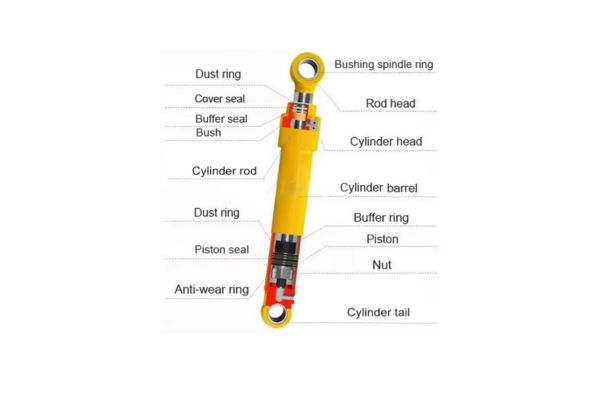
Why Is Hydraulic Cylinder Maintenance Essential?
Regular upkeep maximizes machinery service life and protects heavy infrastructure from catastrophic mechanical failure. When you ignore minor system vulnerabilities, you invite major structural breakdowns that can permanently compromise your operational safety.
Understanding the True Cost of Sudden Failures
Unexpected breakdowns do more than stop your immediate production line. When a heavy machine goes offline in the middle of a major project, you lose billable hours, face potential contract penalties, and must pay premium rates for emergency shipping of components.
- Unplanned field delays halt labor productivity immediately.
- Late delivery penalties damage critical commercial client relationships.
- Premium freight fees increase your overall maintenance expenditure.
By keeping a reliable stock of high-performing replacement components ready at your workshop, you insulate your business against these volatile market conditions.
How Do Quality Seals Prevent Sudden Failures?
High-grade sealing components prevent high-pressure fluid from bypassing critical internal boundaries and protect systems from external debris ingress. Choosing the correct elastomeric material ensures your components remain perfectly pliable even during long shifts under severe operating pressure.

The Critical Function of Premium Elastomer Compounds
Modern high-pressure systems demand specialized seal compounds that resist thermal degradation and chemical attack.Cheap sealing materials quickly harden, crack, and disintegrate when exposed to hot hydraulic oil over extended run times.
- Polyurethane compounds provide superior abrasive wear resistance.
- Nitrile elements maintain structural elasticity across variable temperatures.
- Fluorocarbon materials withstand aggressive synthetic fluid blends.
Using robust seals ensures your internal fluid channels remain perfectly isolated under heavy loads.
Recognizing Early Signs of Extreme Fluid Leakage
You must inspect your equipment daily for external weeping and subtle rod dampness. If you notice a consistent film of oil accumulating on the piston surface, your primary rod wiper has already failed completely.
- Persistent oil rings signal immediate gland seal wear.
- External puddle formation confirms catastrophic structural failure.
- Trapped air bubbles reveal compromised low-pressure sealing lines.
Catching these signs early lets you service the cylinder before fluid loss starves the main pump. Utilizing premium quality hydraulic cylinder repair parts during your standard rebuild window will prevent these small leaks from turning into total mechanical failures.
| Seal Material Type | Temperature Range | Primary Application |
| Advanced Polyurethane | -40°C to 100°C | Heavy Rod U-Cups |
| Premium Nitrile Rubber | -30°C to 120°C | Static Industrial O-Rings |
| Specialized Viton Blend | -20°C to 200°C | High Thermal Circuits |
What Causes Severe Hydraulic Rod Corrosion?
Corrosion triggers when protective chrome plating develops micro-cracks that allow ambient moisture and aggressive chemical elements to attack the underlying base steel. This chemical degradation creates rough oxidized patches that rapidly destroy soft sealing elements during every stroke cycle.
Can Environmental Exposure Accelerate Surface Pitting?
Operating machinery in highly humid, coastal, or chemically aggressive agricultural environments drastically accelerates surface pitting’. Salt spray, airborne fertilizers, and industrial emissions chemically strip the micro-thin layer of chromium oxide that shields your steel rod.
- Ambient salt particles initiate rapid localized galvanic corrosion.
- Chemical fertilizer residues etch deep micro-cavities into raw steel.
- Persistent moisture exposure prevents protective oil films from forming.
Once pitting starts, it creates a abrasive surface that functions like sandpaper against your cylinder gland components.
The Hidden Vulnerabilities of Improper Equipment Storage
Leaving heavy machinery parked outdoors with the hydraulic cylinder rods fully extended is a primary cause of premature rod corrosion. When rods sit exposed to rain, sun, and dirt without a protective coating of hydraulic fluid, rust develops within a matter of weeks.
- Extended steel rods lack a defensive lubricating oil boundary.
- Airborne dust particles adhere directly to static sticky rods.
- Ultraviolet radiation degrades exposed external rod wiper elements.
You can prevent this damage by retracting all cylinders completely before storing your machinery for extended seasonal intervals.
| Storage Hazard | Immediate Metal Effect | Preventive Field Measure |
| Fully Extended Rods | Rapid Oxidation Inception | Full Cylinder Retraction |
| High Chemical Ingress | Chrome Layer Etching | Thorough Surface Washing |
| Static Dust Adherence | Wiper Lip Scoring | Defensive Grease Application |
Can Pitted Piston Rods Destroy Your System?
Yes, pitted rods function as an aggressive abrasive file that cuts through soft sealing lips with every stroke. This surface roughness introduces deep microscopic grooves that let fluid escape continuously, quickly destroying your system’s pressure holding capabilities.

How Rough Surfaces Rapidly Tear New Sealing Components
Every time a pitted rod retracts into the cylinder head gland, its jagged edges cut microscopic slices into the internal rubber sealing lips. Even if you install a brand-new seal kit, a rough or pitted rod will ruin those fresh components within a few hours of operation.
- Jagged metal pits shave away thin elastomeric sealing edges.
- Micro-cavities transport external abrasive dirt past the dust wiper.
- Damaged sealing profiles cause immediate high-pressure external leaks.
This repetitive tearing forces you into a costly cycle of endless rebuilds and constant fluid top-offs.
Is Field Repair Feasible for Deep Rod Micro-Scratches?
You can occasionally sand down minor surface rust using extra-fine emery cloth, but deep pits require professional machining or full rod replacement. Attempting to fill deep gouges with low-grade epoxies is a temporary fix that usually fails under full system pressures.
- Fine emery cloth removes light localized surface rust.
- Industrial chrome replating restores original factory rod diameters.
- Deeply pitted elements demand complete component replacement action.
Sourcing a precision-ground, hard-chromed replacement rod is the only definitive way to restore your system’s long-term sealing integrity.
| Damage Depth Metric | Recommended Repair Action | Expected Service Life |
| Less Than 0.05 mm | Precision Wet Sanding | Short-Term Operational Extension |
| 0.05 mm to 0.20 mm | Industrial Plating Rebuild | Full Fleet Service Restoration |
| Greater Than 0.20 mm | Total Component Replacement | Maximum Long-Term Reliability |
Why Do Steering Cylinder Component Bends Occur?
Component bending happens when external mechanical force exceeds the yield strength of the steel rod or structural mounting brackets. This structural deformation immediately locks the cylinder in place, making accurate steering control impossible and putting your operators at serious risk.
The Destructive Effects of Extreme Shock Loads on Axles
Hitting deep hidden ruts, large stones, or buried debris at high speed sends a massive mechanical shock wave directly up the steering linkage. Your steering cylinder is often the final mechanical stop in the front axle assembly, meaning it absorbs the brunt of these severe impact forces.
- Sudden field impacts generate immense transient fluid spikes.
- Excessive mechanical force exceeds structural steel elastic limits.
- Deformed cylinder rods cause immediate internal binding issues.
These violent shock inputs easily bend standard-diameter rods, instantly jamming your steering system.
How Uncontrolled Mechanical Side Loading Wars Deeply
Misaligned structural mounts and worn pivot pins force the cylinder rod to push at an incorrect, non-axial angle. This side loading concentrates massive structural stress on one side of the internal guide rings and cylinder gland.
- Loose pin bushings introduce destructive off-center angular paths.
- Structural frame flexing applies severe bending moments on rods.
- Eccentric loading patterns score internal barrel walls deeply.
| Bending Root Cause | Primary Structural Failure | Recommended Preventive Action |
| High-Speed Field Impact | Permanent Axial Rod Flexing | Structural Impact Barriers |
| Worn Mounting Bushings | Heavy Guide Ring Scoring | Monthly Pin Clearance Checks |
| Loose Pivot Brackets | Extreme Cylinder Side Loading | Frame Torque Audits Regular |
How Does Internal Fluid Bypass Affect Output?
Internal fluid bypass drops your system’s volumetric efficiency, causing your machinery to move sluggishly and drift out of position under load. This hidden internal leak lets pressurized oil slip past worn piston seals, converting your pump’s energy into destructive heat rather than useful linear power.
What Causes Sluggish Movement and Cylinder Drifting?
When you notice your machine loader arms or implement hitches drifting down slowly while parked, your piston seals are bypassing fluid internally. As oil slips past a damaged piston seal, the cylinder can no longer maintain a steady hydraulic lock under structural loads.
- Worn piston seals let high-pressure fluid escape continuously.
- Internal pressure equalization stops stable position holding.
- Sluggish actuator response slows down your overall cycle times.
This steady loss of volumetric efficiency forces your hydraulic pump to work much harder just to hold a fixed position.
Is Piston Blow-By Damaging Your Hydraulic Integrity?
Continuous piston blow-by generates intense friction that raises your system’s overall operating oil temperature.High oil temperatures rapidly degrade your entire fluid supply, thinning the lubricant and accelerating wear across your expensive hydraulic pumps and control valves.
- Internal fluid friction generates rapid systemic heat spikes.
- Thinned hydraulic oil lowers overall system lubrication.
- Extreme thermal loads shorten the life of every system seal.
Replacing worn piston rings promptly prevents this heat generation from damaging your entire hydraulic system.
| Bypass Indicators | Underlying Internal Fault | Corrective Action Path |
| Constant Position Drift | Damaged Piston Ring Seal | Complete Piston Seal Rebuild |
| Sluggish Travel Speeds | Extreme Barrel Wall Scoring | Barrel Honing or Replacement |
| High System Fluid Heat | Continuous Fluid Blow-by | Total Internal Component Update |
What Are the Risks of Cheap Unbranded Parts?
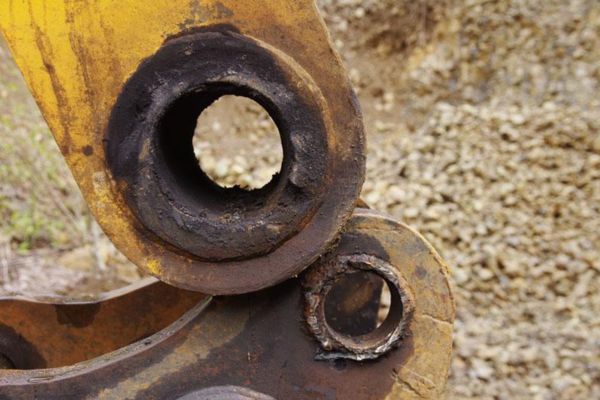
Using low-grade, bargain-priced replacement parts exposes your fleet to erratic dimensional tolerances and unpredictable metallurgical failures. While these cheap components might save you a few dollars upfront, they frequently fail during peak operational seasons, costing you far more in secondary damage and emergency repairs.
How Unstable Manufacturing Slashes Component Lifespans
Discount manufacturers often cut costs by using low-grade steel alloys and skipping critical induction-hardening steps. Without a deep induction-hardened layer, a piston rod will dent, scratch, and bend under standard operating loads.
- Soft steel alloys wear out rapidly under heavy loads.
- Inconsistent heat treatment leaves components brittle.
- Sloppy machining tolerances cause immediate fitment issues.
These manufacturing shortcuts significantly shorten the lifespan of your repaired cylinders.
The Extended Economic Disadvantage of Low Sourcing Cost
A cheap part that fails prematurely destroys your maintenance budget by forcing your crew to pull the same cylinder apart multiple times. The purchase price of a component is only a tiny fraction of your true total cost of ownership.
- Repeat labor expenses quickly exceed any initial parts savings.
- Frequent replacement cycles increase your overall downtime hours.
- Low-grade components risk causing catastrophic secondary pump damage.
Investing in high-quality components ensures your machinery stays in the field and out of the repair shop.
| Component Quality Tier | Average Service Life | Total Value Assessment |
| Low-Cost Unbranded Parts | 3 to 6 Months | High Risk of Repeat Fleet Downtime |
| Certified Aftermarket Parts | 12 to 24 Months | Dependable Everyday Field Value |
| Premium Heavy-Duty Parts | 36+ Months | Lowest Total Cost of Ownership |
How Can You Measure Cylinder Wear Accurately?
Accurate wear measurements let you identify internal component degradation before it causes an expensive field breakdown. Using precision tools to check your barrel dimensions and rod straightness ensures your rebuilt hydraulic cylinders operate with factory-original efficiency.
What Essential Measuring Instruments Do You Need?
You cannot rely on simple tape measures or visual inspections when evaluating tight hydraulic tolerances. Internal barrel wear and rod out-of-roundness are often invisible to the naked eye and require precise tool measurements.
- Digital vernier calipers verify exact rod and pin diameters.
- Inside dial bore gauges check for internal barrel out-of-roundness.
- Precision dial indicators measure total rod straightness runout.
Using the proper tools ensures you catch subtle wear patterns before they ruin your new seals.
Step-by-Step Breakdown of Critical Threshold Inspections
Start your inspection by checking the internal cylinder barrel diameter at multiple points along its stroke travel. Look closely for an oval wear pattern near the center of the barrel, where the piston spends most of its operational life.
- Measure barrel diameters horizontally and vertically to catch ovality.
- Check rod straightness by spinning the rod on precision V-blocks.
- Inspect mounting pin bores for signs of elongated or oblong wear.
| Inspected Component | Factory Wear Limit | Primary Measurement Tool |
| Internal Barrel Bore | Max 0.10 mm Ovality | Inside Dial Bore Gauge |
| Piston Steel Rod | Max 0.20 mm Runout | Precision Dial Indicator |
| Mounting Pin Holes | Max 0.15 mm Clearance | Inside Micrometer Set |
When Should You Rebuild Versus Replace Parts?
Deciding whether to rebuild an old cylinder or replace it entirely depends on the total cost of parts, labor, and the structural condition of the barrel. If the internal walls are deeply scored or the mounting brackets are cracked, full component replacement is always the safest and most economical choice.

Analyzing the Precise Technical Return on Investment
Calculate your total repair cost by adding your local shop labor rates to the price of a premium seal kit and replacement rod. If your total rebuild cost exceeds seventy percent of the price of a brand-new cylinder, buying a replacement unit is the smarter financial move.
- Extensive manual labor charges drive up total rebuild costs.
- Machining worn out barrels requires expensive specialty shop tools.
- New replacement units include fresh, comprehensive factory warranties.
Evaluating these costs upfront helps you avoid spending money on a cylinder that is nearing the end of its service life.
When Severe Tube Degradation Demands Full Replacement
Deep internal scratches, barrel bulging from pressure spikes, and cracked base welds cannot be safely repaired on a standard shop bench.Attempting to hone out deep barrel grooves increases the internal diameter too much, preventing new piston seals from sealing properly.
- Deep internal barrel scores prevent proper piston sealing.
- Bulged cylinder tubes indicate permanent structural metal fatigue.
- Cracked end-cap welds compromise total system safety.
In these severe cases, replacing the entire cylinder assembly is the only safe way to restore your equipment’s operating integrity.
| Cylinder Damage Profile | Best Action Path | Long-Term Fleet Outcome |
| Light Surface Scratches | Standard Bench Rebuild | Cost-Effective Production Extension |
| Moderate Rod Pitting | Rod Plus Seal Rebuild | Reliable Mid-Life System Update |
| Bulged Tube or Cracked Welds | Full Unit Replacement | Maximum Field Safety Restoration |
Conclusion
Sourcing premium replacement parts and sticking to a strict inspection schedule is the most effective way to eliminate unexpected downtime and keep your heavy machinery running at peak efficiency. When you quickly fix minor seal leaks, address rod pitting early, and replace worn mounting hardware, you protect your entire hydraulic system from catastrophic field failures. Our team understands the immense pressure you face to keep your fleet moving during busy operational seasons, which is why we supply precision-engineered components designed to handle your toughest working conditions.To minimize your equipment downtime and secure high-performance replacement components for your next rebuild, contact us today to connect with an experienced fluid power specialist.
Frequently Asked Questions
Can I sand down a rusted hydraulic rod myself?
Yes, you can use extra-fine emery cloth to remove light surface rust, but this method will not fix deep metal pitting. If the rust has created deep cavities in the steel, you must replace the rod entirely to prevent it from tearing your new head gland seals.
What is the best way to confirm my cylinder barrel is worn out?
You should use an inside dial bore gauge to measure the internal diameter at multiple points along the stroke travel. If your measurements show that the barrel has developed an oval shape or exceeds original factory wear limits by more than 0.10 mm, the tube must be honed or replaced.
How do I know if my cylinder is leaking internally?
You will notice your machine implements drifting out of position or moving sluggishly under standard working loads. If the cylinder cannot hold a fixed position while the control valves are closed, fluid is bypassing the piston seals internally.
Can a bent steering cylinder rod be straightened safely?
No, you should never attempt to bend a deformed hydraulic rod back into shape using a shop press. Straightening structurally altered steel compromises its internal yield strength, making it highly prone to snapping under full operating loads.
What causes new hydraulic seals to fail within a few weeks?
Early seal failure is almost always caused by a pitted rod surface or fine dirt contamination inside the hydraulic fluid. If you do not flush the system and inspect the rod for scratches during your rebuild, the rough metal will rapidly slice through your new rubber seals.