
Why Hydraulic Cylinders Need Repair and How to Fix Them
Hydraulic cylinder repair is the essential process of diagnosing, dismantling, and restoring the functionality of a hydraulic actuator to ensure peak machine performance. You are in the middle of a critical project when your equipment suddenly loses lifting power or starts “drifting” under load, turning a productive afternoon into a costly delay. This loss of precision and power isn’t just an inconvenience; it agitates your entire schedule and threatens your equipment’s safety. Fortunately, understanding the mechanics of hydraulic cylinder repair allows you to identify issues early and implement solutions before a minor leak becomes a catastrophic failure.

What Are Common Signs Of Hydraulic Cylinder Failure?
Common signs of hydraulic cylinder failure include visible oil leaks around the rod, “drifting” where the cylinder moves without operator input, and unusual banging or squealing noises during operation. Recognizing these symptoms early can prevent a total system breakdown and reduce the scope of your hydraulic cylinder repair needs.
Can You Identify External Fluid Leaks Easily?
You can usually spot external leaks by looking for wet spots on the chrome rod or oil pooling on the ground beneath the machine. A dirty rod is often a sign that oil is weeping past the wiper seal and attracting dust.
- Check the rod seal for signs of tearing.
- Look at the hose connections for loose fittings.
- Inspect the barrel for cracks or impact damage.
If you see oil, you know there is an opening that shouldn’t be there.
What Do Unusual Noises Tell You About Internal Health?
Unusual noises like knocking or high-pitched whining often indicate that air has entered the system or that internal parts are metal-on-metal. These sounds are early warning signals that the internal environment of your cylinder is no longer stable.
- Whining usually points to aeration or cavitation.
- Banging can mean a loose piston or broken internal stop.
- Squealing often indicates a dry seal or rod misalignment.
You should never ignore a machine that is trying to tell you something is wrong.
How Does Erratic Movement Affect Your Workday?
Erratic or “jerky” movement makes it impossible to perform precise tasks, such as leveling a field or placing a heavy pipe. This lack of control is often caused by air pockets or internal bypass within the cylinder.
- Jerky movement increases the risk of accidents.
- It puts unnecessary stress on the machine’s frame.
- It significantly slows down your cycle times.
| Failure Sign | Immediate Impact | Long-term Risk |
| External Leak | Mess and fluid loss | Environmental damage |
| Internal Drift | Loss of precision | Dropped loads |
| Overheating | Seal degradation | Pump failure |
How Do You Troubleshoot Hydraulic Cylinder Failures?
You troubleshoot hydraulic cylinder failures by performing a visual inspection, checking for internal bypass through pressure tests, and evaluating the quality of the hydraulic oil. A systematic approach ensures you don’t waste time replacing parts that are still in good working condition.
Why Is A Visual Inspection Your First Line Of Defense?
A visual inspection allows you to see the most obvious causes of failure, such as a bent rod or a dented barrel. You don’t need expensive tools to see that a cylinder has been hit by a rock or that a seal has popped out.
- Examine the rod for scoring or “pitting.”
- Check the mounting pins for excessive wear.
- Look for discoloration on the barrel that indicates heat.
Can A Pressure Test Confirm Internal Seal Bypassing?
A pressure test involves dead-heading the cylinder to see if it can maintain pressure without allowing fluid to leak past the piston seals. If the cylinder drifts while the valves are closed, you likely have an internal leak that requires hydraulic cylinder repair.
- Apply pressure to one side and check the other for leakage.
- Use a pressure gauge to monitor for drops over time.
- Observe the rod for slow, uncommanded movement.
How Do You Analyze The Condition Of Your Hydraulic Fluid?
You should check your fluid for a “milky” appearance (water contamination) or a burnt smell (overheating). Clean oil is the lifeblood of your system, and contaminated oil will quickly ruin brand-new seals.
- Pull a sample from the reservoir into a clear jar.
- Look for metal flakes or dark sediment.
- Check the viscosity compared to fresh oil.
| Diagnostic Tool | Purpose | Benefit |
| Pressure Gauge | Measures system PSI | Identifies pump/valve issues |
| Infrared Thermometer | Checks for hot spots | Detects internal friction |
| Oil Analysis Kit | Checks for microscopic debris | Predicts future failures |
Why Do Seals Often Lead To Cylinder Breakdowns?
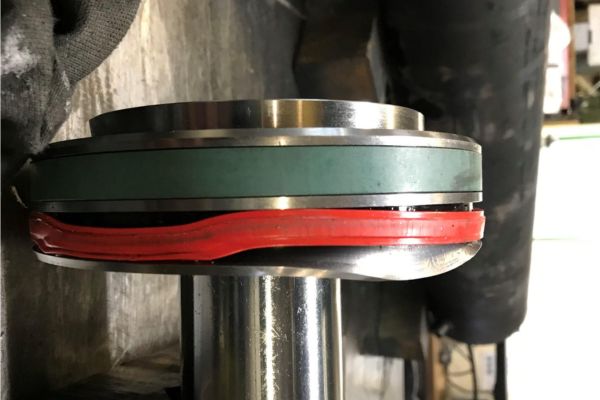
Seals are the most common point of failure because they are the only “soft” parts exposed to extreme pressure, friction, and environmental contaminants. Over time, heat and wear cause these rubber or polyurethane components to lose their ability to hold a tight seal.
What Causes A Hydraulic Seal To Harden Or Crack?
Excessive heat is the primary enemy of seals, causing the material to become brittle and eventually crack under pressure. Once a seal loses its flexibility, it can no longer conform to the surfaces it is meant to protect.
- High operating temperatures “cook” the rubber.
- Chemical incompatibility with the oil can cause swelling.
- Age leads to natural material degradation.
How Does Contamination Destroy Your Internal Components?
Contaminants like dirt and metal shavings act like sandpaper, scratching the polished surfaces of the rod and barrel. These scratches create “leak paths” that allow oil to bypass the seals even if the seals themselves are new.
- Dirt enters through a damaged wiper seal.
- Metal flakes can come from a failing pump.
- Moisture leads to internal rust and pitting.
| Seal Type | Function | Common Failure |
| Wiper Seal | Keeps dirt out | Tearing/Abrasion |
| Rod Seal | Prevents external leaks | Hardening/Cracking |
| Piston Seal | Prevents internal bypass | Wear/Extrusion |
Can You Perform Preventative Maintenance For Hydraulic Cylinders?
You can perform preventative maintenance by keeping the rods clean, changing the hydraulic oil at recommended intervals, and replacing seals before they fail completely. A proactive approach is much cheaper than an emergency repair in the middle of a busy season.
What Should Your Routine Inspection Checklist Include?
Your checklist should include a daily walk-around to check for leaks and a weekly inspection of the hydraulic cylinder’s mounting hardware and rod condition. Keeping a log of these checks helps you spot trends, such as a cylinder that is slowly losing pressure.
- Daily: Wipe down the rods and check oil levels.
- Weekly: Inspect hoses for “bubbles” or fraying.
- Monthly: Grease all pivot points and pins.
How Does Maintaining Fluid Quality Extend Equipment Life?
Maintaining fluid quality ensures that your seals aren’t being attacked by acids or abraded by dirt, which keeps the internal surfaces smooth and efficient. Clean oil also runs cooler, which prevents the heat-related seal hardening discussed earlier.
- Always use the fluid grade recommended by the manufacturer.
- Replace filters according to the hour meter.
- Keep the reservoir breather clean to prevent air moisture intake.
| Maintenance Task | Frequency | Estimated Time |
| Rod Cleaning | Every Shift | 2 Minutes |
| Pivot Greasing | 50 Hours | 5 Minutes |
| Oil & Filter Change | 500-1000 Hours | 1 Hour |
When Should You Choose Repair Over Full Replacement?
You should choose repair over replacement when the core structural components, like the barrel and rod, are in good condition and only the seals need to be swapped. Resealing a cylinder can save you up to 70% of the cost of a new unit.
Is Resealing A Cost-Effective Solution For Your Budget?
Resealing is almost always the best financial choice if the internal surfaces aren’t scored or pitted. A standard seal kit is relatively inexpensive and can restore a “drifting” cylinder to factory performance.
- Seal kits are affordable and widely available.
- Labor for a reseal is usually a few hours.
- It extends the life of your original equipment.
When Does A Scored Barrel Make Repair Impossible?
If the inside of the barrel has deep scratches or the rod is significantly bent, a simple reseal will not work because the new seals will be damaged instantly. In these cases, the cost of machining or replacing the rod and barrel may exceed the price of a brand-new cylinder.
- Deep grooves in the barrel allow oil bypass.
- Bent rods cause side-loading and seal failure.
- Heavy corrosion can compromise the metal’s strength.
| Scenario | Recommended Action | Reason |
| Leaking Rod Seal | Repair (Reseal) | Low cost, high success |
| Bent Piston Rod | Replace | Safety and alignment risk |
| Dented Barrel | Replace | Internal piston interference |
How Do You Ensure Safety During The Repair Process?
You ensure safety by supporting the load with mechanical stands, wearing protective gear, and double-checking that all hydraulic pressure has been vented from the system. Working on pressurized hydraulics is extremely dangerous and requires your full attention.
Why Must You Relieve All System Pressure Before Disassembly?
Pressurized oil can cause “fluid injection” injuries, where oil is forced under your skin, which is a medical emergency. You must cycle the controls with the engine off to ensure there is no “stored” energy in the lines.
- Lower all implements to the ground.
- Move levers in all directions after shut-off.
- Loosen fittings slowly with a rag over the joint.
What Tools Are Essential For A Secure Cylinder Rebuild?
A secure rebuild requires a sturdy vise, a specialized gland nut wrench, and clean lint-free rags to prevent contamination. Using the wrong tools, like a pipe wrench on a polished rod, will cause permanent damage that ruins your hydraulic cylinder repair efforts.
- Use a seal pick to remove old rubber carefully.
- A torque wrench ensures everything is tight.
- A honing tool can clean up minor barrel scuffs.
| Safety Item | Importance | Use Case |
| Safety Glasses | High | Prevents oil spray in eyes |
| Heavy Gloves | Medium | Protects from sharp metal edges |
| Jack Stands | Critical | Holds the load if cylinder is removed |
How Do Operators Prevent Future Hydraulic Issues?
Operators prevent issues by avoiding “bottoming out” the cylinders under full power and keeping a watchful eye on the temperature gauges. How you treat the machine during the workday directly impacts how often it ends up in the repair shop.

Why Is Operator Training Critical For System Longevity?
An educated operator knows the limits of the machine and won’t push the hydraulics into a “relief” state longer than necessary. This prevents unnecessary heat buildup and protects the pumps and cylinders from premature wear.
- Learn the specific lift capacities of your machine.
- Understand the warning lights on the dashboard.
- Recognize the “smell” of overheating oil early.
How Do You Monitor Operating Conditions To Prevent Overheating?
You should regularly check the hydraulic oil cooler for debris and monitor how hot the cylinder barrels feel during heavy work. If you can’t touch the barrel for more than a second, your system is running too hot and needs attention.
- Keep the cooling fins clear of dust and chaff.
- Listen for the relief valve “screaming” under load.
- Check for air bubbles in the sight glass.
| Operational Habit | Impact on Cylinder | Result |
| Smooth Lever Control | Reduced pressure spikes | Longer seal life |
| Periodic Warm-up | Thinner oil flow | Less seal friction |
| Cleaning the Rods | Less dirt entry | Minimal rod wear |
Conclusion
Successfully managing your hydraulic systems requires a balance of daily vigilance, technical knowledge, and knowing when to seek expert help. We have covered the essential signs of failure, from external leaks to internal drifting, and provided a roadmap for both preventative maintenance and hydraulic cylinder repair. By following these steps, you can eliminate unexpected downtime and keep your projects on track.
Our vision is to empower operators with the most durable fluid power solutions in the industry. Contact us today to discuss your specific needs and let us help you maintain the strength and precision your work demands.
FAQ
Can I repair a hydraulic cylinder myself?
Yes, you can often perform a basic reseal yourself if the rod and barrel are undamaged. You will need a clean workspace, the correct seal kit, and a few specialized tools like a gland nut wrench to do the job safely.
What’s the best way to tell if my cylinder is leaking internally?
The best method is to conduct a “drift test” by holding a load in a fixed position and measuring if the rod retracts or extends on its own. If it moves without any valve input, fluid is likely bypassing the internal piston seals.
How do I know if my hydraulic fluid needs changing?
You should change the fluid if it appears cloudy, smells burnt, or contains visible metal particles. Using an oil analysis kit is the most accurate way to determine if the additives have broken down.
Can I use any brand of oil for my hydraulic system?
No, you must use a fluid that meets the specific viscosity and additive requirements of your machine manufacturer. Using the wrong oil can lead to seal swelling or insufficient lubrication of the pump.
How do I know if my cylinder rod is bent?
The easiest way is to rotate the rod while the cylinder is extended; if it “wobbles” or shows uneven gaps against a straight edge, it is likely bent. A bent rod will cause rapid seal wear and must be replaced.