
Why Does a Side Link Cylinder Lose Accuracy Over Time?
A side link cylinder loses its accuracy due to seal degradation, fluid contamination, and excessive mechanical stress. When your equipment fails to hold a precise position, you face immediate productivity drops and potential safety hazards on the job site. Ignoring these early warning signs often leads to catastrophic failure and expensive emergency repairs. You can maintain peak performance by identifying the root causes of drift and erratic movement early in the maintenance cycle.

Why Does Seal Leakage Affect a Side Link Cylinder?
Seal leakage affects accuracy by preventing the system from maintaining the necessary operating pressure for precise movement. If your side link cylinder cannot hold pressure, the piston will drift, causing the attached equipment to lose its set position. This internal bypass often occurs before any external leaks become visible to the operator.
The Role of Sealing Integrity
Seals are the primary barrier that contains pressurized hydraulic fluid and ensures efficient force transmission. When these components fail, the volumetric efficiency of the cylinder drops significantly. You will notice a slower response time and a lack of holding power during heavy lifting.
What Causes Seal Failure?
Several factors contribute to the breakdown of sealing materials within your hydraulic system. Heat, friction, and chemical incompatibility are the most frequent culprits in industrial and agricultural settings.
- Thermal Hardening: Excessive heat makes seal materials brittle and prone to cracking.
- Installation Errors: Nicks or tears during assembly lead to immediate pressure loss.
- Friction Wear: Repeated cycling without proper lubrication thins the seal profile.
Practical maintenance requires you to treat seals as high-wear items that need scheduled replacement to avoid drift.
| Failure Factor | Impact on Accuracy | Recovery Step | |
|---|---|---|---|
| Hardened Seals | Loss of flexibility and bypass | Install high-temp polyurethane seals | |
| Incorrect Fitting | Immediate erratic movement | Re-seat seals using specialized tools | |
| Friction | Gradual positioning drift | Check lubrication and rod finish |
How Does Contamination Impact a Side Link Cylinder?
Contamination impacts a side link cylinder by introducing abrasive particles that scratch internal surfaces and destroy seal lips. Fluid contamination is responsible for the vast majority of hydraulic system failures in the field today. Even microscopic debris can create paths for fluid to bypass the piston, leading to a noticeable loss of control.
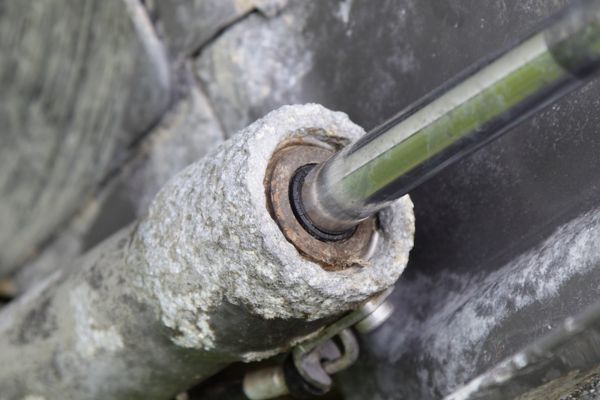
Abrasive Particle Damage
Abrasive particles act like sandpaper inside your cylinder, grinding down the honed finish of the barrel. This damage prevents the seals from forming a tight, leak-proof interface with the metal walls. Once the internal surface is compromised, the cylinder will never achieve its original precision without a full rebuild.
Air and Water Infiltration
Water and air contamination change the physical properties of the hydraulic fluid, making it “spongy” and less responsive.
- Aeration: Causes banging noises and jerky, unpredictable movements.
- Cavitation: High-pressure collapses of air bubbles pit the metal components.
- Rust: Moisture leads to oxidation, which creates more debris in the system.
Practical value is found in keeping your fluid clean to ensure the cylinder reacts instantly to control inputs.
| Contaminant Type | Primary Symptom | Prevention Method | |
|---|---|---|---|
| Metal Shavings | Scoring on the rod and barrel | Install high-efficiency return filters | |
| Water | Milky fluid and internal rust | Use desiccant breathers on reservoirs | |
| Air | Shuddering or spongy movement | Bleed the system after every repair |
Can Corrosion Ruin a Side Link Cylinder?
Corrosion can ruin a side link cylinder by creating pits and rough spots on the rod and internal barrel walls. When you operate a side link cylinder with a corroded rod, the rough surface acts as a file that shreds the wiper and rod seals. This leads to a cycle of fluid loss and further contamination that eventually destroys the entire unit.
Internal Barrel Pitting
Moisture trapped inside the barrel during long periods of inactivity leads to localized pitting. These pits allow fluid to leak past the piston seals during the stroke, causing the cylinder to “skip” or lose power at specific points. Once this internal corrosion starts, the accuracy of the stroke is permanently compromised.

The Risks of Outdoor Storage
Leaving equipment outdoors with the rods extended is a major cause of external corrosion and subsequent failure.
- Environmental Exposure: Rain and humidity cause rust to form on exposed steel.
- Seal Destruction: Retracting a rusted rod pulls abrasive scale directly into the seals.
- Costly Rebuilds: Severe corrosion often requires the replacement of the entire rod.
Ensuring your equipment is stored with rods retracted provides the best protection against environmental degradation.
| Storage Condition | Corrosion Risk | Mitigation Strategy | |
|---|---|---|---|
| Extended Rods | High (Rust formation) | Apply protective grease or retract | |
| Humid Environment | Moderate (Internal moisture) | Use fluid with high rust inhibitors | |
| Coastal Sites | Extreme (Salt spray) | Specify stainless or chrome-plus rods |
Does Mounting Failure Weaken a Side Link Cylinder?
Mounting failure weakens a side link cylinder by shifting the force distribution away from the intended linear path. If the mounting points on your side link cylinder become loose or deformed, the cylinder will flex during operation. This flexing absorbs energy and creates “play” in the system, making it impossible to achieve fine adjustments.
Stress on Connection Points
Every time the cylinder cycles, the mounting pins and brackets absorb the full force of the load. Overloading your equipment can stretch these holes or bend the brackets, leading to mechanical slop. You will notice that the cylinder moves slightly before the load actually starts to shift.
Misalignment Consequences
When a cylinder is misaligned, it has to fight against its own mounting hardware to complete a stroke.
- Increased Friction: Misalignment forces the piston against one side of the barrel.
- Pin Wear: Pivot points wear unevenly, leading to “clunking” sounds.
- Structural Fatigue: Constant bending stress can lead to cracks in the cylinder head.
Regularly inspecting and tightening your mounting hardware ensures that all hydraulic force is translated into useful work.
| Connection Issue | Visual Sign | Corrective Action | |
|---|---|---|---|
| Ovalized Pin Holes | Movement before load shifts | Weld and re-bore or replace bracket | |
| Loose Bolts | Vibrations and noise | Tighten to manufacturer torque specs | |
| Bent Brackets | Uneven rod wear | Straighten and reinforce the mount |
Mechanical stability at the mounting points is the foundation upon which hydraulic accuracy and operator control are built.
Why Is Over-Pressurizing Bad for a Side Link Cylinder?
Over-pressurizing is bad because it can cause the cylinder barrel to swell, which permanently alters internal clearances. When you push a side link cylinder beyond its rated capacity, the metal may stretch beyond its elastic limit. This deformation creates a “dead zone” where the piston seals no longer make contact with the barrel walls.
Structural Swelling and Deformity
High-pressure spikes can expand the cylinder tube, particularly in the center of the stroke. Once the barrel is swollen, the piston will bypass fluid whenever it passes through that section. You will experience a sudden loss of power and a “sinking” feeling when holding a load in that position.
Safety Risks of High Pressure
Operating above rated limits doesn’t just lose accuracy; it creates significant danger for everyone nearby.
- Component Burst: Lines, fittings, or the cylinder itself can fail violently.
- Seal Blowout: Excessive pressure can push seals out of their grooves.
- Reduced Life: Frequent over-pressurization cuts the fatigue life of the steel in half.
| Pressure State | Effect on Cylinder | Operational Risk | |
|---|---|---|---|
| Rated Pressure | Normal wear and precision | Low – Standard operation | |
| Occasional Spike | Seal fatigue and slight drift | Moderate – Requires inspection | |
| Constant Overload | Barrel swelling and failure | High – Immediate hazard |
Is Side Loading Damaging Your Side Link Cylinder?
Side loading damages your side link cylinder by applying forces perpendicular to the piston’s travel, causing rapid internal wear. Hydraulic cylinders are designed for linear force; any lateral pressure forces the internal components to grind against each other. This results in uneven wear on the rod bearings and the piston itself, leading to early failure.
Uneven Component Wear
Side loading pushes the piston hard against one side of the cylinder wall and the rod against the gland. This creates “shiny spots” on the rod and can eventually lead to metal-to-metal contact inside the barrel. Once the internal surfaces are worn unevenly, the seals cannot compensate for the gaps, and accuracy vanishes.
Managing Non-Linear Forces
You must ensure that the load remains centered throughout the entire range of motion to prevent these lateral stresses.
- Check Alignment: Ensure the cylinder and load move in a perfectly straight line.
- Use Spherical Bearings: These allow for some self-alignment during the stroke.
- Reduce Long Strokes: Longer cylinders are more susceptible to bending under side loads.
| Wear Indicator | Probable Cause | Long-term Result | |
|---|---|---|---|
| One-Sided Rod Wear | Structural misalignment | Bent rod and total seal failure | |
| Polished Barrel Wall | Piston tilting under load | Internal bypass and loss of speed | |
| Cracked Gland | Extreme lateral force | Catastrophic structural breakage |
Do High Temperatures Harm a Side Link Cylinder?
High temperatures harm a side link cylinder by thinning the hydraulic fluid and baking the internal seals until they fail. When your side link cylinder operates in extreme heat, the fluid’s viscosity drops, making it easier for it to leak past seals. This “thin” oil doesn’t provide enough lubrication, leading to increased friction and jerky movements.
Thermal Seal Degradation
Standard seals are rated for specific temperature ranges and will rapidly harden if those limits are exceeded. A hardened seal loses its ability to flex and maintain a tight grip on the rod or barrel. You will notice that the cylinder works fine when cold but starts to drift as the oil heats up.
Fluid Viscosity Changes
The accuracy of your hydraulic system depends on the predictable flow and resistance of the oil.
- Internal Leakage: Thinner oil bypasses valves and pistons more easily.
- Increased Friction: Lack of lubrication film causes “stick-slip” movement.
- Oxidation: Heat accelerates oil breakdown, creating sludge and varnish.
Monitoring oil temperature and using high-quality coolers protects the accuracy of your system during long shifts.
| Temp Range | Impact on System | Recommended Action | |
|---|---|---|---|
| 40°C – 60°C | Ideal operating window | Maintain current cooling capacity | |
| 70°C – 85°C | Accelerated seal wear | Check for cooling system blockage | |
| Above 90°C | Immediate seal damage | Stop operation and find heat source |
Maintaining consistent fluid temperature ensures that the mechanical tolerances of the cylinder remain stable throughout the working day.
Does Rod Damage Destabilize a Side Link Cylinder?
Rod damage destabilizes a side link cylinder by introducing surface irregularities that destroy the rod seals during every stroke. If your side link cylinder has a nicked, dented, or bent rod, it cannot provide the smooth, consistent movement required for precise tasks. Even a small burr on the rod can cut the rod seal, leading to external leaks and internal pressure drops.
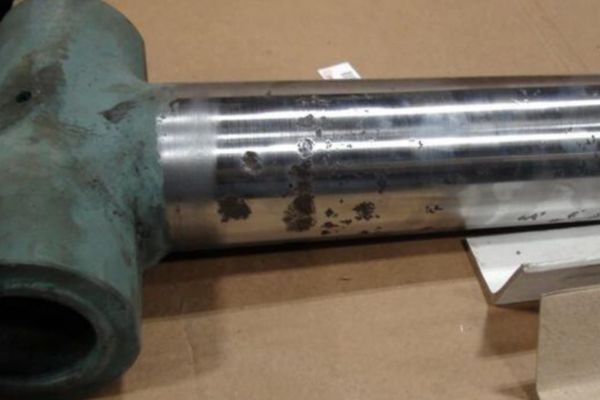
Surface Finish Integrity
The rod must be perfectly smooth and chrome-plated to slide through the seals without causing wear. Dents or scratches create tiny pockets that carry debris into the cylinder and allow oil to escape. This damage eventually causes the cylinder to lose speed and the ability to hold a steady position.
Piston Rod Bending
A bent rod is a major cause of instability and can completely lock up a hydraulic system.
- Binding: The rod will catch or drag against the gland during the stroke.
- Seal Distortion: The bend forces the seal out of its intended shape.
- Vibration: Erratic movement occurs as the rod fights the internal guides.
Checking rod straightness with a dial gauge is a standard part of a high-level maintenance program.
| Rod Condition | Effect on Performance | Repair Priority | |
|---|---|---|---|
| Scratched Finish | Slow external oil leak | Medium – Replace seals and polish | |
| Dented Surface | Fast seal destruction | High – Requires rod re-chroming | |
| Bent Rod | System binding/stalling | Critical – Immediate rod replacement |
Can Broken Bearings Slow a Side Link Cylinder?
Broken bearings can slow a side link cylinder by creating excessive internal friction that the hydraulic pressure must overcome. In a side link cylinder, the bearings guide the rod and piston, keeping them centered and moving smoothly. When these bearings shatter or wear out, the metal components may rub together, significantly slowing down the cycle time.
The Impact of Shock Loading
Sudden impacts, like hitting a rock with a plow, can crack the internal guide bearings or the eye bearings. These broken pieces can then jam between the piston and the barrel, causing erratic behavior and potential seizure. You will notice “clunking” sounds and a lack of responsiveness to your control inputs.
Restricting Smooth Movement
Damaged bearings cause the internal parts to misalign, which increases the force required to move the rod.
- Jerky Motion: The cylinder may “jump” as it overcomes friction points.
- Heat Generation: Friction from bad bearings quickly overheats the oil.
- Power Loss: Energy is wasted fighting friction instead of moving the load.
| Bearing State | Movement Quality | Energy Efficiency | |
|---|---|---|---|
| New/Smooth | Fluid and precise | High – Minimal friction | |
| Worn/Loose | Slop in the movement | Moderate – Energy loss | |
| Broken/Shattered | Jerky or stalled | Low – High heat and drag |
Precision and Reliability for Your Equipment
Maintaining a high-performing hydraulic system requires a deep understanding of the mechanical and environmental stresses placed on your actuators. By addressing seal integrity, fluid cleanliness, and structural alignment, you solve the root causes of drift and power loss.
We focus on premium sealing technology and precision manufacturing to eliminate the downtime that costs you money. If you are ready to upgrade your equipment’s performance, contact us today to find the perfect cylinder for your needs.
Frequently Asked Questions
Can I fix a drifting cylinder by just changing the oil?
Usually no, because drift is typically caused by physical damage to the seals or the barrel wall. While fresh oil improves overall system health, it cannot “heal” a scratched barrel or a torn piston seal that is allowing fluid to bypass.
How do I know if my cylinder is bypassing internally?
You can perform a “drift test” by extending the cylinder under load and then closing the control valve. If the cylinder retracts on its own without any external leaks, the fluid is escaping past the internal piston seals.
Is it normal for a cylinder to get hot during use?
No, excessive heat is a sign of inefficiency, often caused by friction or fluid escaping through a leak. A healthy system should operate at a warm, stable temperature; if it’s too hot to touch, you have an underlying issue.
Will a small scratch on the rod really matter?
Yes, because even a tiny scratch acts like a saw blade every time it passes through the rod seal. Over hundreds of cycles, that scratch will create a path for oil to leak out and for contaminants to enter the system.
How often should I check the mounting bolts?
You should inspect all mounting hardware at least once a month or every 200 operating hours. Loose mounting points cause misalignment, which is a leading cause of bent rods and uneven internal wear.