
What Need to Be Checked Before Replacing a Lift Cylinder?
Before you commit to a full swap, you must check for external hose damage, fluid contamination levels, and mounting alignment. Unexpected equipment failure on a construction site or farm can bring your entire operation to a grinding halt, costing you thousands in lost productivity. You watch your project timeline slip away while your crew stands idle, all because a critical component failed at the worst possible moment. Ensuring your machinery returns to peak performance involves a systematic diagnostic approach to replacing a hydraulic lift cylinder to ensure you aren’t overlooking a simpler, cheaper fix.

Why Is Diagnosing Fluid Leaks Critical Before Replacing A Lift Cylinder?
You should determine if the leak is coming from a simple fitting or hose before replacing a lift cylinder because external issues are often mistaken for internal failures. Often, a loose connection or a cracked hydraulic hose upstream can mimic the appearance of a failing cylinder barrel. By performing a thorough visual inspection first, you save your business from unnecessary hardware expenses.
How to Trace External Leakage Sources?
You must follow the fluid trail back to its highest point of origin to find the true culprit. Dust and grime often hide the path of a leak, so cleaning the area with a degreaser is your first step toward clarity.
- Clean all surfaces around the cylinder and hoses.
- Check for moisture around port fittings and valve connections.
- Operate the lift under low pressure to spot active drips.
- Examine hose jackets for pinhole leaks that spray under load.
Once you have identified that the leak is truly internal, you can proceed with confidence in your repair strategy.
Identifying the specific origin of a fluid leak prevents the premature disposal of a perfectly functional cylinder.
| Leak Type | Common Cause | Recommended Action | |
|---|---|---|---|
| Port Fitting | Vibration or loose threads | Tighten or replace O-ring | |
| Hose Jacket | Abrasion or age | Replace hydraulic hose | |
| Rod Seal | Contamination or wear | Replace seal or cylinder |
Systematic tracing ensures that your maintenance budget is spent on actual failures rather than symptoms of minor peripheral issues.
Can Performance Drops Be Fixed Without Replacing A Lift Cylinder?
A loss in lifting power often points to a pump or valve issue rather than a need for replacing a lift cylinder immediately. You might notice your excavator boom moving slower than usual or struggling to hold a full load. These symptoms can be caused by internal bypass in the control valve or a pump that is no longer reaching its rated PSI.
Are Mismatched Components Reducing Efficiency?
You need to verify that your system pressure matches the cylinder’s requirements. If your pump output has dropped, the cylinder will appear weak regardless of its internal condition.
- Check the system relief valve setting.
- Measure the flow rate of the hydraulic pump.
- Inspect the control valve for internal spool wear.
- Verify that the cylinder bore size is correct for the load.
Testing the entire hydraulic circuit provides a complete picture of why your machinery is losing its competitive edge.
Performance issues are frequently system-wide problems that a new cylinder alone cannot resolve.
| Symptom | Potential Root Cause | Diagnostic Tool | |
|---|---|---|---|
| Slow Cycle Time | Low pump flow or clogged filter | Flow meter | |
| Drooping Under Load | Leaking check valve | Pressure gauge | |
| Partial Stroke | Internal mechanical blockage | Visual inspection |
Comparing actual performance metrics against factory specifications helps you isolate the failing component within the broader circuit.
Does Unusual Noise Necessitate Replacing A Lift Cylinder?
Unusual sounds like squealing or knocking are often signs of air in the system rather than a requirement for replacing a lift cylinder right away. You should listen closely to the frequency and location of the noise during the extension and retraction phases. Mechanical knocking usually indicates a loose piston or rod, while high-pitched whining suggests aeration or cavitation.
Is Cavitation Creating Excessive System Noise?
You must check your fluid levels and suction lines if you hear a growling or whining sound. Cavitation occurs when the pump is starved of oil, creating vacuum bubbles that implode and damage components.
- Check the reservoir oil level for low fluid.
- Inspect suction strainers for blockages or debris.
- Tighten all suction line clamps to prevent air entry.
- Bleed air from the cylinder by cycling it several times.
Resolving these air-related issues often restores quiet operation without the need for a major equipment overhaul.
Distinguishing between mechanical “clank” and hydraulic “whine” is the key to choosing the right repair path.
| Noise Type | Likely Meaning | Immediate Fix | |
|---|---|---|---|
| Squealing | Aeration or air in lines | Bleed the system | |
| Metal Knocking | Loose internal nut or mount | Mechanical tightening | |
| Continuous Whine | Pump cavitation | Refill reservoir |
Early noise detection serves as an early warning system that protects your high-value hydraulic assets from catastrophic failure.
How Does Erratic Movement Impact Replacing A Lift Cylinder?
Jerky or inconsistent movement usually signals air entrapment or seal friction rather than a definitive reason for replacing a lift cylinder without further testing. You will see the rod “stutter” as it moves, which can be dangerous when handling heavy loads. This erratic behavior is often the result of “slip-stick” friction caused by improper fluid viscosity or worn wear bands.
Is Contaminated Fluid Causing Control Issues?
You should analyze your hydraulic oil for particles or water if your cylinder movement becomes unpredictable. Contaminants can cause the internal seals to grab the barrel wall instead of sliding smoothly.
- Check for water contamination (milky appearance).
- Look for metal flakes indicating internal component wear.
- Verify that the oil viscosity matches the environment.
- Inspect the rod surface for sticky residue or varnish.
Improving your fluid quality can often smooth out the operation and extend the life of your existing hardware.
Smooth, linear motion is the hallmark of a healthy hydraulic system and should be your primary goal during diagnostics.
| Movement Issue | Likely Cause | Solution | |
|---|---|---|---|
| Spongy Feel | Air trapped in cylinder | Bleed ports | |
| Stuttering | Low lubrication or high friction | Change hydraulic oil | |
| Sudden Jumps | Malfunctioning control valve | Repair valve spool |
Addressing erratic motion quickly prevents secondary damage to the mechanical linkages and pins connected to your lift system.
Should Temperature Spikes Be Checked Before Replacing A Lift Cylinder?
Excessive heat is a major indicator of internal leakage that may lead to replacing a lift cylinder if the seals have melted or hardened. You can feel the cylinder barrel; if it is significantly hotter than the rest of the hydraulic system, oil is likely bypassing the piston seal. This “internal leak” generates friction and heat as high-pressure oil is forced through tiny gaps.
Does High Pressure Lead to Heat Damage?
You must ensure your system is not running at excessive pressures that exceed the cylinder’s design limits. Constant operation at the relief valve setting will rapidly cook your seals and degrade the oil.
- Use an infrared thermometer to check barrel temperature.
- Compare the cylinder heat to the reservoir temperature.
- Inspect seals for signs of hardening or “charring.”
- Check for cooling system failures in the main machine.
Managing heat is essential for maintaining the structural integrity of the polyurethane components inside your lift system.
Thermal management prevents the premature failure of seals and ensures your hydraulic fluid retains its protective properties.
| Temperature Status | Indication | Recommended Step | |
|---|---|---|---|
| Over 180°F (82°C) | Critical overheating | Shut down immediately | |
| Localized Hot Spot | Internal piston seal leak | Rebuild or replace | |
| System-Wide Heat | Poor cooling or high pressure | Check oil cooler |
Monitoring operational temperatures allows you to intervene before the cylinder’s internal components suffer permanent deformation.
Is Seal Condition A Primary Factor In Replacing A Lift Cylinder?
Worn or brittle seals are the most common reason for replacing a lift cylinder because they allow pressure to escape and contaminants to enter. You should look for “weeping” at the rod end, which indicates the primary wiper or rod seal has failed. If you find small bits of rubber in your filters, the internal piston seals are likely disintegrating.
Why Do Polyurethane Seals Fail Prematurely?
You need to understand that seals have a finite lifespan, especially when exposed to extreme temperature swings. Contamination from dust and grit is the number one killer of these soft components.
- Check for hard or brittle seal material.
- Look for “nicks” caused by rod scoring.
- Identify chemical incompatibility with your hydraulic fluid.
- Watch for extrusion where the seal is squeezed out of its groove.
Upgrading to high-quality, dual-lip sealing systems can significantly reduce your long-term maintenance frequency.
Seals are the front line of defense for your hydraulic system and require regular attention to prevent costly oil loss.
| Seal Problem | Resulting Failure | Prevention | |
|---|---|---|---|
| Brittle Material | External leaking | Use high-temp seals | |
| Dirt Ingress | Scored barrel walls | Install better rod wipers | |
| Seal Extrusion | Loss of pressure | Match seal to PSI |
Investing in premium sealing technology during a rebuild or replacement ensures a much longer service interval for your equipment.
What Mounting Checks Are Required Before Replacing A Lift Cylinder?

You must verify the integrity of your mounting pins and brackets before replacing a lift cylinder to ensure the new unit doesn’t fail the same way. If your mounting holes are “egged out” or the pins are bent, the cylinder will be subjected to side-loading. Side-loading is a leading cause of rod bending and premature seal wear.
Does Misalignment Accelerate Component Wear?
You should check the alignment of the cylinder’s path to ensure it travels in a perfectly straight line. Any twist in the chassis or boom will put lateral force on the rod, which it is not designed to handle.
- Inspect clevis pins for wear and straightness.
- Check for cracks in the mounting ears or brackets.
- Verify that grease points are clear and accepting lubricant.
- Measure the distance between mounts for symmetry.
Correcting these structural issues ensures that your replacement cylinder operates in the stress-free environment it requires.
Structural alignment is just as important as hydraulic pressure for the longevity of your lifting components.
| Component | Checkpoint | Sign of Failure | |
|---|---|---|---|
| Clevis Pin | Diameter and surface | Grooving or bending | |
| Bushings | Internal clearance | Excessive play/slop | |
| Pivot Points | Lubrication status | Rust or dry metal |
Properly maintained mounts protect the cylinder from the destructive forces of side-loading and mechanical binding.
How Does Fluid Quality Affect Replacing A Lift Cylinder?
Degraded or contaminated oil can make you think about replacing a lift hydraulic cylinder when the real problem is the “lifeblood” of the system. You should perform regular oil analysis to check for oxidation and particle counts. Dirty oil acts like liquid sandpaper, grinding away at the polished surfaces of your cylinder rods and barrels.
Can Regular Filtration Prevent Total Failure?
You need to maintain a strict filtration schedule to keep your hydraulic system clean and efficient. High-quality filters trap the microscopic debris that causes the most damage to precision-machined parts.
- Check the color and smell of the hydraulic fluid.
- Replace return line and suction filters regularly.
- Use a filter cart to clean oil during fluid changes.
- Seal the reservoir to prevent environmental dust ingress.
Keeping your fluid clean is the most cost-effective way to prevent the need for frequent hardware replacements.
Pure, high-viscosity hydraulic oil is essential for the smooth operation and cooling of all system components.
| Fluid Characteristic | Ideal State | Sign of Trouble | |
|---|---|---|---|
| Appearance | Clear/Amber | Milky or dark brown | |
| Smell | Neutral | Burnt or acrid odor | |
| Texture | Smooth | Gritty or watery |
Maintaining fluid quality protects your entire hydraulic circuit from the internal erosion caused by contaminated oil.
Should You Verify Piston Rod Health Prior To Replacing A Lift Cylinder?
A damaged or bent rod is a definitive sign that you should consider replacing a lift cylinder to prevent safety hazards. You should run your hand (carefully) or a straightedge along the rod to check for any bowing. Even a slight bend will cause the rod to press against the head gland, destroying the seals almost instantly.
How To Identify Permanent Rod Distortion?
You must look for “scoring” or deep scratches that run vertically along the chrome surface. These scratches act as channels for oil to escape, rendering even brand-new seals ineffective.
- Check for chrome flaking or pitting.
- Look for signs of corrosion or “rust spotting.”
- Use a dial indicator to check for rod run-out.
- Inspect the rod threads for stripping or damage.
If the rod’s chrome plating is compromised, moisture can enter the system and cause internal rust, leading to total failure.
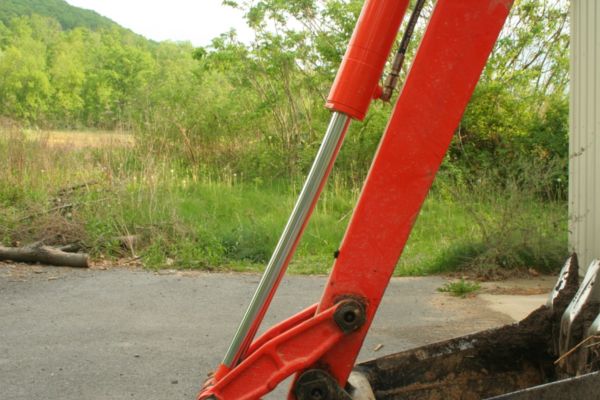
The piston rod is the most exposed part of the cylinder and requires the highest level of surface protection.
| Rod Condition | Operational Impact | Recommended Fix | |
|---|---|---|---|
| Deep Scoring | Constant oil weeping | Re-chrome or replace | |
| Bent Rod | Seal destruction/binding | Full cylinder replacement | |
| Pitting/Rust | Rough operation | Polishing or replacement |
Protecting the rod surface with boots or regular cleaning can prevent many of the issues that lead to expensive repairs.
What Role Does Operator Training Play In Replacing A Lift Cylinder?
Human error often accelerates the need for replacing a lift cylinder through overloading or improper use. You should ensure that your operators understand the load limits of the machinery they are using. Slamming the cylinder into its mechanical stops or using it to “hammer” objects will cause structural fatigue and internal damage.
Can Daily Inspections Save Maintenance Costs?
You need to implement a daily walk-around checklist for all equipment operators. Catching a small leak or a loose pin today prevents a catastrophic blowout and expensive downtime tomorrow.
- Train operators to spot early signs of weeping seals.
- Instruct staff on the dangers of over-pressurization.
- Establish clear “shut-down” criteria for faulty equipment.
- Promote a culture of proactive grease maintenance.
Well-trained personnel are your best defense against the preventable wear and tear that leads to premature equipment failure.
Investing in people is just as important as investing in high-quality hydraulic hardware for long-term success.
| Operator Habit | Machine Impact | Long-Term Result | |
|---|---|---|---|
| Overloading | Bent rods/seal failure | High repair costs | |
| Neglecting Grease | Pin and mount wear | Mechanical slop | |
| Rapid Cycling | Fluid overheating | Oil degradation |
Consistent training and clear communication ensure that your equipment is treated with the care required for a long service life.
Conclusion
Replacing a lift cylinder is a significant investment that requires careful diagnostic verification to ensure it is the right solution for your equipment. By checking your seals, fluid quality, and mounting alignment first, you can often save money and reduce downtime. At Topa, we are committed to providing you with precision-engineered hydraulic solutions that withstand the most demanding environments, from mining to heavy construction. Our focus on 100% pressure testing and factory-direct quality ensures that when you choose our products, you are choosing reliability. Please contact us today to find the perfect custom or OEM cylinder solution for your specific application needs.
FAQ
Can I repair a scored rod without replacing the entire cylinder?
It depends on the depth of the damage, but usually, a deeply scored rod requires re-chroming or a full replacement to ensure a proper seal. If the scores are shallow, professional polishing might work, but deep grooves will always leak oil.
What is the best way to prevent seal failure in cold weather?
You should use high-quality polyurethane seals specifically rated for low temperatures and allow the hydraulic oil to warm up before operating under full load. Brittle seals in cold environments often crack during the first few cycles if the oil is too thick.
How often should I change my hydraulic fluid?Y
ou should generally change your fluid every 1,000 to 2,000 operating hours, but this varies based on your environment and oil analysis results. Using high-quality filters can extend this interval, but you should never ignore a “burnt” smell or milky appearance.
Can a bent mounting pin cause a cylinder to leak?
Yes, because a bent pin forces the cylinder to operate at an angle, creating side-load pressure on the rod seals. This lateral force wears down the seals unevenly and will eventually lead to a significant external leak.
Why does my lift cylinder move slower than it used to?
Usually, this is caused by a drop in pump flow or an internal leak in the control valve, rather than the cylinder itself. You should check your pump’s output and the system’s relief valve settings before assuming the cylinder is the problem.