
What Makes a Tractor Steering Cylinder Stiff in Cold Weather?
A tractor steering cylinder is stiff at cold start primarily because the hydraulic fluid has thickened due to low temperatures, increasing its resistance to flow. You step into the cab on a freezing morning, ready to clear snow or start chores, only to find the steering wheel nearly impossible to budge. This resistance strains your pump and slows your operations, potentially leading to costly downtime if not addressed. Understanding why your tractor steering cylinder stiff is behaving this way is the first step toward restoring smooth, reliable performance in any weather.

Why Is Your Tractor Steering Cylinder Stiff at Cold Start?
The primary reason for this stiffness is the thermal effect on hydraulic oil, which becomes highly viscous and resists moving through the narrow orifices of the steering valves. When the temperature drops, the molecules in the oil slow down and stick together, making the tractor steering cylinder stiff and unresponsive. This physical change means the pump must work significantly harder to push the “syrup-like” fluid into the cylinder chambers.
The Role of Temperature in Fluid Dynamics
Temperature directly dictates how easily your hydraulic system can transmit power to the steering linkage. In extreme cold, the fluid cannot reach the operating pressure required to move the piston rod quickly.
- Oil thickens as temperature decreases.
- Flow rates through control valves drop significantly.
- Internal friction increases within the cylinder barrel.
This mechanical resistance ensures that the initial movements of your tractor are sluggish until the system generates enough internal heat. Identifying these thermal barriers allows you to manage your morning startup routine more effectively.
| Component | Cold Behavior | Impact on Steering | |
|---|---|---|---|
| Hydraulic Oil | High Viscosity | Increased Flow Resistance | |
| Piston Rod | Slower Extension | Delayed Steering Response | |
| Seal Material | Hardened Texture | Potential Internal Leaking |
How Does Viscosity Make a Tractor Steering Cylinder Stiff?
Viscosity acts as the internal friction of the fluid, and when it is too high, it creates a tractor steering cylinder stiff condition that prevents rapid pressure build-up. Using the correct oil grade is essential because “multi-viscosity” fluids are designed to flow better at low temperatures while maintaining strength when hot. If you are using a standard ISO 46 oil in sub-zero climates, your steering will inevitably feel like it is locked in place.
Understanding Viscosity Index and Flow
A high viscosity index means the oil stays relatively stable across a wide range of temperatures. For B2B operators, selecting the right fluid based on tractor steering cylinder stiff symptoms is a critical maintenance decision.
- Lower viscosity oils (like ISO 32) flow better in winter.
- Higher viscosity oils provide better protection in summer.
- Specialized arctic blends prevent wax crystallization in the fluid.
Choosing the right fluid ensures your machinery remains productive even during the harshest winter months. This knowledge prevents you from overtaxing the steering pump during the first few minutes of operation.
Can Ice Cause a Tractor Steering Cylinder Stiff Response?
Ice can definitely cause a tractor steering cylinder stiff feeling if water has contaminated your hydraulic reservoir or settled in the low points of the steering lines. Water is heavier than oil and will sink to the bottom of the system, where it freezes into solid blocks that physically obstruct fluid passage. Even a small amount of frozen condensation can partially block a valve, leading to erratic or completely frozen steering.
Managing Moisture in the Steering System
Moisture enters the system through breathers or damaged seals, especially when equipment is stored outdoors. You must ensure the system is sealed to prevent this tractor steering cylinder stiff scenario from occurring after a frost.
- Water creates ice crystals that damage pump internals.
- Frozen lines can burst under sudden pressure.
- Moisture leads to internal corrosion of the cylinder walls.
Preventing water ingress is vital for the longevity of your tractor’s steering components and overall safety. Keeping your fluid “dry” is the best way to avoid sudden steering failures in the dead of winter.
| Moisture Source | Prevention Method | Risk Level | |
|---|---|---|---|
| Reservoir Breather | Use Desiccant Filters | Medium | |
| Damaged Rod Seals | Replace Worn Seals | High | |
| Condensation | Indoor Storage | Low |
Does Contamination Keep a Tractor Steering Cylinder Stiff?
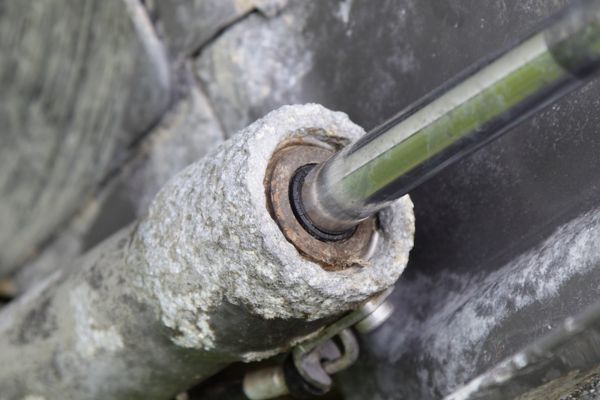
Contamination by metal shavings, dirt, or degraded oil particles can make a tractor steering cylinder stiff by clogging the sensitive steering orbital valve. Cold weather exacerbates this because the thick oil carries these heavy particles less efficiently, allowing them to settle and jam moving parts.
The Impact of Debris on Precision Valves
Steering systems rely on precise tolerances within the control valves to direct fluid to the cylinder. Debris can scratch these surfaces, leading to internal bypass or physical sticking.
- Metal flakes indicate pump or cylinder wear.
- Silt and dirt enter through compromised rod wipers.
- Degraded oil forms varnish that glues valves shut.
Regularly flushing the system and replacing filters is the only way to ensure these contaminants do not ruin your hardware. Clean fluid is the lifeblood of any responsive hydraulic steering setup.
| Contaminant Type | Source | Effect | |
|---|---|---|---|
| Metal Shavings | Component Wear | Valve Scoring | |
| External Dirt | Rod Seal Failure | Seal Abrasion | |
| Oil Sludge | Overheating/Age | Slow Response |
Why Is a Tractor Steering Cylinder Stiff with Worn Seals?
Worn internal seals allow fluid to “bypass” the piston, making the tractor steering cylinder stiff because the pressure is equalizing on both sides of the cylinder rather than pushing the rod. In cold weather, seal materials like Nitrile or Viton become less flexible and may fail to provide a tight squeeze against the barrel wall. This lack of a proper seal means that even if the pump provides pressure, the cylinder cannot convert it into mechanical force.
How Seal Hardening Affects Performance
As seals age, they lose their ability to adapt to the slight imperfections in the cylinder barrel. When you experience a tractor steering cylinder stiff sensation, it might be due to these seals failing to hold pressure during the initial startup.
- Cold seals shrink and allow internal leakage.
- Brittle seals can crack and release debris into the fluid.
- Friction increases as the seal loses its lubricity.
Replacing these internal components during scheduled maintenance prevents the sudden loss of steering control. High-quality seals are designed to remain pliable even when the thermometer drops.
| Seal Type | Cold Resistance | Common Application | |
|---|---|---|---|
| Nitrile (Buna-N) | Moderate | Standard Duty | |
| Polyurethane | Good | High Pressure | |
| Low-Temp Nitrile | Excellent | Arctic Operations |
Does Low Fluid Keep a Tractor Steering Cylinder Stiff?
Low fluid levels in the reservoir will definitely make a tractor steering cylinder stiff because the pump begins to draw in air instead of pure hydraulic oil. When the reservoir is low, the fluid doesn’t have enough time to cool or release air bubbles before being sucked back into the system. In cold weather, this is worse because the fluid stays in the lines longer, leaving the reservoir empty and the tractor steering cylinder stiff and noisy.
Importance of Maintaining Reservoir Levels
The reservoir serves as the cooling and de-aeration center for your tractor’s hydraulic system. Maintaining the correct level is the simplest way to prevent steering lag and component overheating.
- Low levels cause the pump to lose prime.
- Air introduced by low levels causes erratic steering.
- Insufficient fluid leads to rapid oil degradation.
Checking your sight glass or dipstick should be a daily habit before you even start the engine. It is the easiest “fix” for a steering system that feels underpowered or inconsistent.
| Level Status | Effect on System | Action Required | |
|---|---|---|---|
| Full | Optimal Pressure | None | |
| Low | Intermittent Stiffness | Top up Fluid | |
| Very Low | Total Steering Loss | Stop Immediately |
Can Pitting Cause a Tractor Steering Cylinder Stiff Feeling?
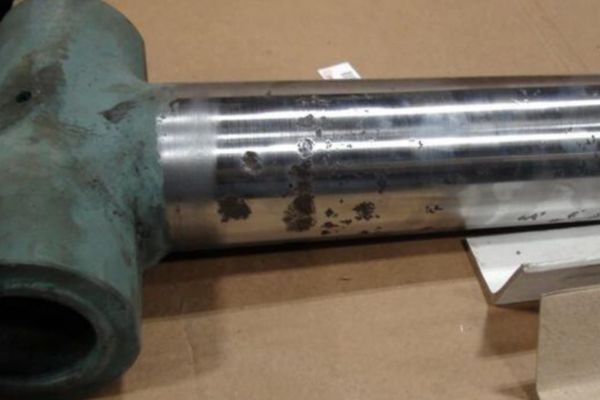
Pitting on the piston rod creates a tractor steering cylinder stiff sensation because the rough, corroded surface destroys the seals and increases mechanical friction. Pitting occurs when rust forms on the rod during storage, eating small “pits” into the chrome plating. As the tractor steering cylinder rod moves through the gland, these pits act like sandpaper, tearing at the seals and allowing fluid to leak out or air to enter.
How Corrosion Damages the Steering Stroke
Corrosion is the enemy of smooth hydraulic motion, especially for tractors stored outdoors. Once the chrome layer is breached, the underlying steel rusts quickly, creating a permanent obstruction.
- Pits trap dirt and carry it into the cylinder.
- Rough surfaces cause significant seal wear.
- Rust buildup can physically jam the rod in the gland.
Inspecting your rods for any signs of “pockmarks” or discoloration can save you from a complete steering failure. Smooth rods are essential for the high-cycle demands of agricultural steering.
| Rod Condition | Operational Impact | Longevity | |
|---|---|---|---|
| Smooth Chrome | Low Friction | High | |
| Minor Pitting | Accelerated Seal Wear | Medium | |
| Heavy Rust | Constant Leaking | Low |
How to Diagnose a Tractor Steering Cylinder Stiff Issue?
To diagnose why your tractor steering cylinder stiff condition is occurring, you must perform a systematic check of the fluid, the pump, and the cylinder itself. Start by checking the easiest variables, such as oil level and color, before moving to pressure testing. If the steering is only stiff when cold but improves as the engine warms, the issue is almost certainly related to oil viscosity or a partially clogged filter.
Step-by-Step Diagnostic Procedures
A logical approach saves time and prevents you from replacing parts that are still functional. Use these steps to narrow down the source of your steering resistance.
- Check fluid level and look for foam or milkiness (water).
- Inspect the steering cylinder rod for pits, rust, or bends.
- Warm the engine and see if the stiffness disappears.
- Use a pressure gauge to check pump output at the orbital valve.
Testing the system under load will reveal if the cylinder is bypassing internally or if the pump is failing to provide adequate flow. Accurate diagnosis prevents wasted “parts-cannon” spending.
| Diagnostic Step | Tool Needed | Target Finding | |
|---|---|---|---|
| Visual Check | Flashlight | Leaks/Damage | |
| Fluid Analysis | Clean Container | Water/Debris | |
| Pressure Test | Hydraulic Gauge | PSI Rating |
How to Fix a Tractor Steering Cylinder Stiff Problem?
Fixing a tractor steering cylinder stiff problem usually involves changing to a winter-grade fluid, replacing clogged filters, or rebuilding the cylinder with fresh seals. If the issue is simply cold weather, allowing the tractor to idle for 10-15 minutes to circulate the oil will often resolve the stiffness. However, if the tractor steering cylinder stiff feeling remains, you must take more permanent mechanical action to ensure safety and performance.
Solutions for Persistent Steering Stiffness
Once you have identified the cause, the repair should be handled with precision to avoid introducing more contamination. Cleanliness is paramount during any hydraulic repair.
- Flush the system and refill with high-quality ISO 32 or 46 oil.
- Replace all hydraulic filters to restore full flow.
- Install a seal kit if internal bypassing is detected.
For severely pitted rods or cracked barrels, replacing the entire cylinder is often the most reliable path forward. Proper maintenance today prevents a total breakdown during your busiest season.
| Repair Action | Difficulty | Result | |
|---|---|---|---|
| Fluid Change | Low | Better Cold Flow | |
| Filter Swap | Low | Increased Pressure | |
| Cylinder Rebuild | Medium | Zero Internal Leakage |
Conclusion
Maintaining a responsive steering system is not just about comfort; it is a critical safety requirement for any B2B operation. At Topa Fluid, we understand that every minute of downtime costs you money, which is why we provide high-performance hydraulic solutions built to withstand the toughest conditions. If your equipment is struggling with cold starts or persistent stiffness, contact us today to find the exact replacement parts or custom cylinders you need.
FAQ
Can I use any hydraulic oil to fix a stiff steering cylinder?
No, you must use the oil grade recommended by your tractor’s manufacturer, as the wrong viscosity can either cause further stiffness or fail to protect the pump at high temperatures. Always check the Viscosity Index to ensure the fluid is rated for your specific operating climate.
What’s the best way to warm up a tractor’s steering system?
The best way is to let the engine idle so the pump circulates oil, and then gently turn the steering wheel from side to side without hitting the “locks” or relief valves. This moves the warm oil into the cylinder chambers and softens the seals gradually.
How do I know if my steering pump is failing?
A failing pump usually produces a loud whining or growling noise, especially when under load, and the steering will remain stiff even after the oil has reached operating temperature. You should perform a pressure test to see if the pump is meeting its rated PSI.
Is it safe to operate a tractor with stiff steering?
It is generally unsafe because stiff steering slows your reaction time and can lead to sudden loss of control if a component finally snaps or bypasses completely. If the steering does not return to normal after a brief warm-up, the tractor should be sidelined for inspection.
Should I replace or rebuild a pitted steering cylinder?
If the pitting is minor, a professional can often polish the rod and install new seals, but if the pitting is deep and covers a large area, replacing the entire rod or cylinder is the only way to ensure a lasting repair. Pitting will quickly destroy new seals, making a “cheap” repair more expensive in the long run.