
Tillage Equipment Hydraulic Cylinders for Replacement and OEM Supply
Get tillage cylinders built for stable lifting, safer folding, repeatable depth control, and easier replacement matching. You send the drawing, sample, or old cylinder details. We help you reduce fitment risk, improve field reliability, and support bulk supply for long-term equipment programs.
Common Hydraulic Cylinder Types on Tillage Equipment
On tillage equipment, cylinders are easier to understand by job function instead of body style. This layout helps repair you find the right replacement faster, and it also helps OEM teams review how each cylinder supports lifting, folding, depth setting, angle control, and transport conversion across different machine platforms.

Lift Cylinders
Lift cylinders handle the repeated raise-and-lower movement that tillage machines need when switching between working depth and transport height. A well-matched lift cylinder helps the machine move smoothly, stay more stable during field entry, and reduce complaints about slow sinking after the machine is parked or lifted.
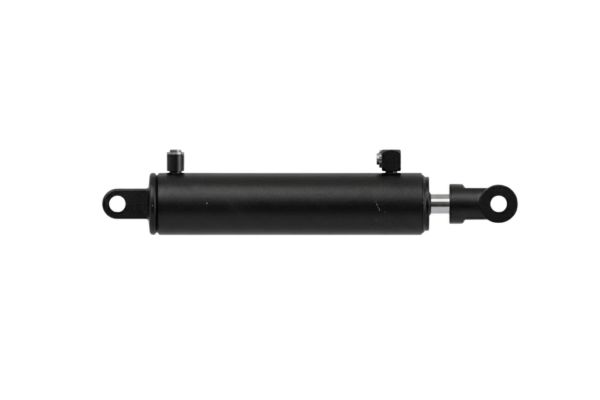
Folding Wing Cylinders
Folding wing cylinders are used on wide tillage frames that must open for work and fold for road transport. These cylinders need to handle long stroke movement, off-center load, and vibration after unfolding, helping you improve wing stability, reduce transport risk, and keep left and right folding action more controlled.
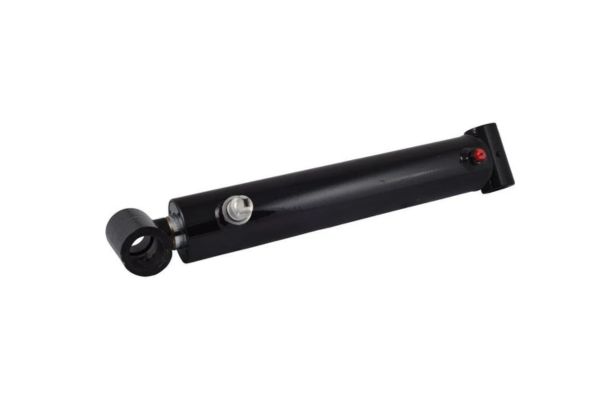
Depth Control Cylinders
Depth control cylinders adjust how deep the machine works in the soil, which directly affects tillage quality and field consistency. You usually look for depth cylinders that hold settings better, respond more predictably during adjustment, and make it easier to keep the machine working evenly across different soil conditions.
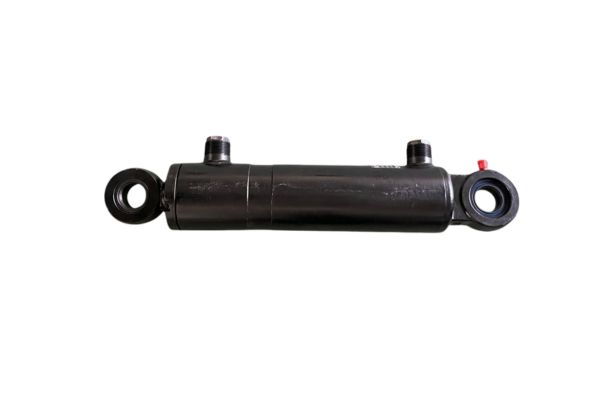
Angle Adjustment Cylinders
Angle adjustment cylinders control gang angle, leveling board position, or roller attitude on tillage equipment. Small changes at this point can affect soil mixing, leveling, and machine pull, so you value cylinders that make angle changes easier to control and more stable once the machine is back under load.

Transport Conversion Cylinders
Transport conversion cylinders help shift the machine between field position and road position, and in some designs they also support wheel frame or transport structure movement. You care about clear positioning, better holding, and more reliable movement because any instability here can quickly turn into a transport safety problem.
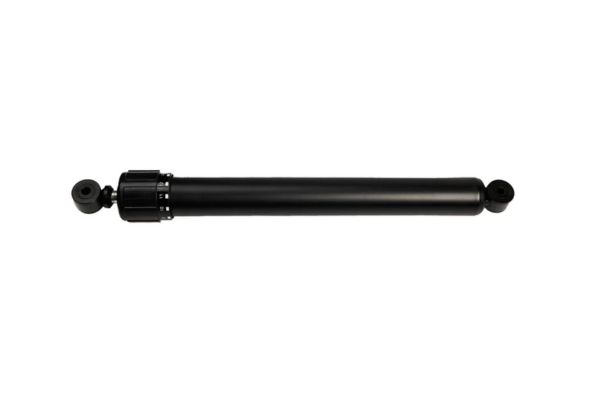
Independent Row Unit Cylinders
Independent row unit cylinders are common on strip-till and other multi-unit machines where each row or section needs its own movement control. When these cylinders are consistent from one unit to the next, you can get more even machine performance, simpler maintenance planning, and fewer complaints caused by one weak cylinder affecting the full system.
Need a Replacement Tillage Cylinder?
This is often the most important section for repair shops, aftermarket suppliers, and maintenance teams. You do not need a full drawing to start. You can send an old sample, product photos, or the main installation dimensions, and we will help you check the key points before production so you can lower fitment risk and avoid costly replacement mistakes.
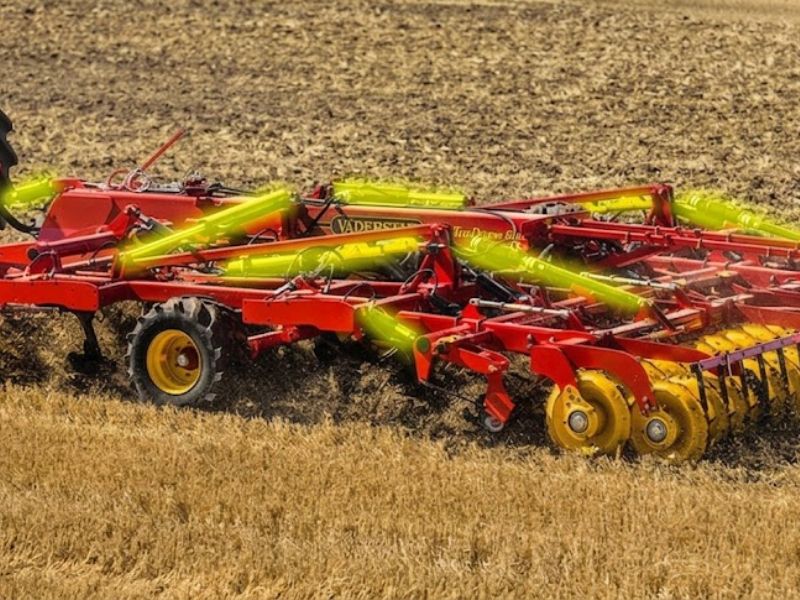
Faster Matching for Repair and Replacement Orders
Many replacement buyers do not have complete technical drawings. In real projects, the customer often only has an old cylinder, a few photos, or some rough dimensions from the machine. We can work from that starting point and help confirm the main fitment details before the order moves into production.
- You can send an old cylinder sample for direct reference.
- You can send clear photos from both sides, including mounts and ports.
- You can send basic installation dimensions such as pin-to-pin length and stroke.
- We can review bore, stroke, closed length, mounting style, rod diameter, and port layout.
- We help reduce fitment errors before production starts.
Replacement Confirmation Items
Before making a replacement tillage cylinder, these are the most important points to confirm.
| Item to Confirm | Why It Matters |
|---|---|
| Pin-to-pin length | Helps confirm whether the cylinder will fit the original mounting geometry correctly. |
| Stroke | Determines the working travel and affects whether the machine can fully lift, fold, or adjust. |
| Closed length | Prevents interference when the cylinder is fully retracted and helps avoid installation conflict. |
| Mounting type | Checks whether the end connection style matches the machine frame and bracket design. |
| Pin diameter | Ensures the pin fits correctly and reduces looseness or forced assembly during installation. |
| Mount width | Helps match clevis or eye width to the existing bracket space. |
| Port size and direction | Helps prevent hose routing issues, interference, and connection mismatch. |
| Rod diameter | Affects strength, stability, and how the cylinder performs under real field load. |
Agricultural Tillage Equipment Categories
We organize this page by actual tillage equipment groups first, because this is how most visitors think when they search for replacement cylinders or review OEM supply options.You usually start with the machine they already service, while purchasing teams compare cylinder demand across different equipment families. This layout makes it easier to find the right cylinder direction and move faster toward an inquiry.
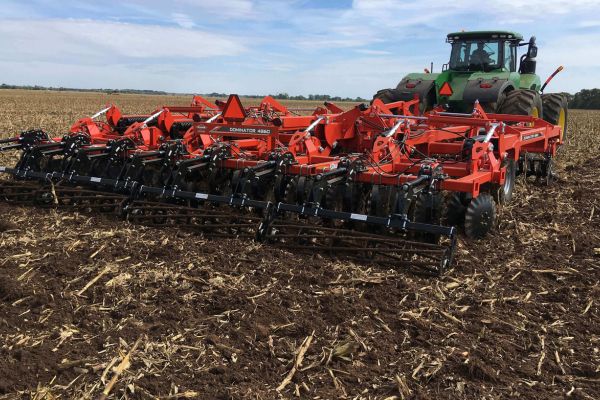
Primary Tillage
Primary tillage equipment includes plows, rippers, and subsoilers that work in harder ground and deal with deeper soil resistance.
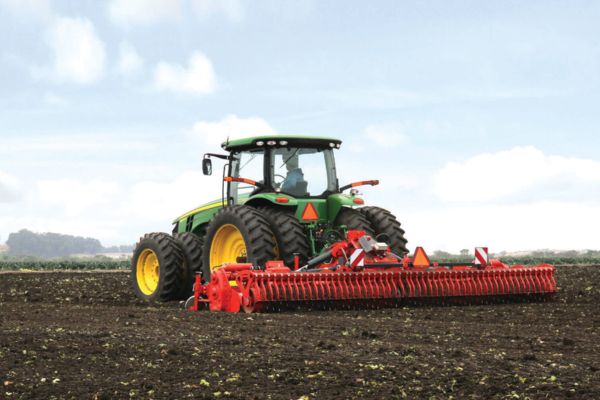
Secondary Tillage
Secondary tillage covers field cultivators, tandem discs, and harrows used to refine soil before planting.
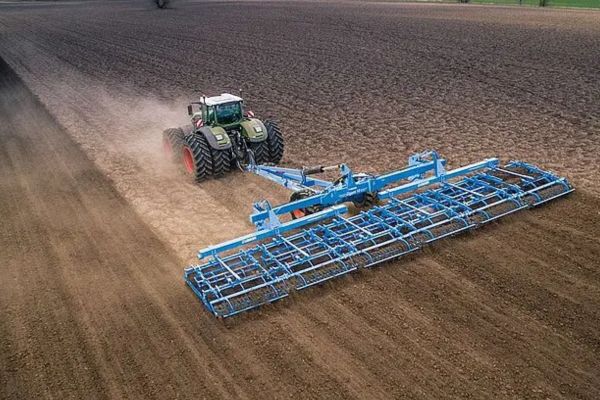
Seedbed Preparation
Seedbed preparation tools focus on creating a more even and workable surface before seeding.
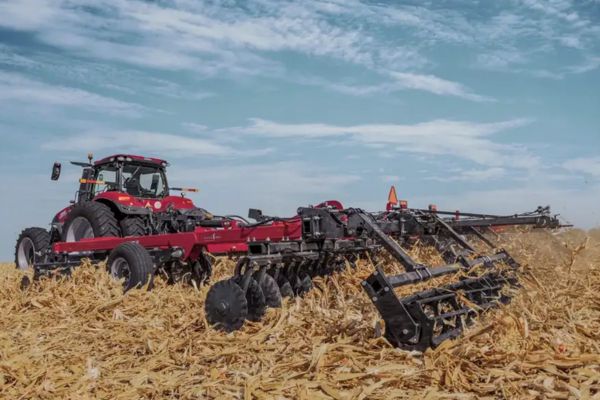
Residue Management Tillage
Vertical tillage and strip-till machines work in high residue conditions.
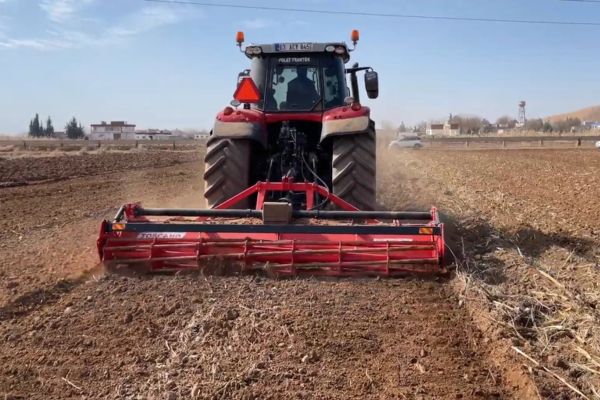
Rotary Tillage
Rotary tillage equipment is more common in smaller plots, orchards, and selected regional markets.
OEM & Custom Development
When you are evaluating a cylinder supplier, the key question is not only whether the supplier can make one sample, but whether they can understand your project, match your structure, keep multiple cylinders consistent, and support stable batch production as your equipment program grows.
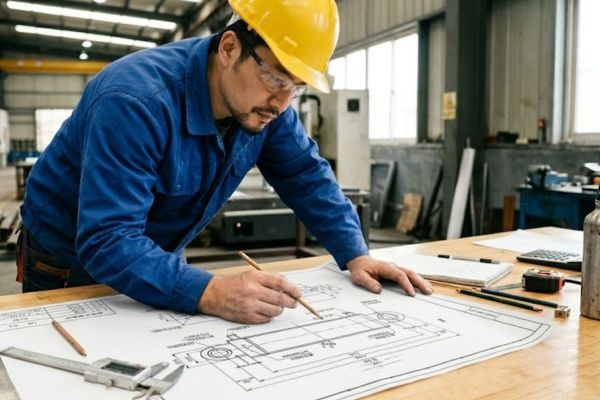
Drawing-Based Production
If your team already has technical drawings, we can build around your required dimensions, mounting details, stroke range, and connection layout. This makes project discussion more direct and helps purchasing teams move faster from engineering review to quotation and production planning.

Sample-Based Development
When a full drawing is not available, we can work from an existing sample or old cylinder to support development. This is useful for upgrade programs, reverse-matching projects, and aftermarket lines where the original part must be studied before a new production standard is confirmed.
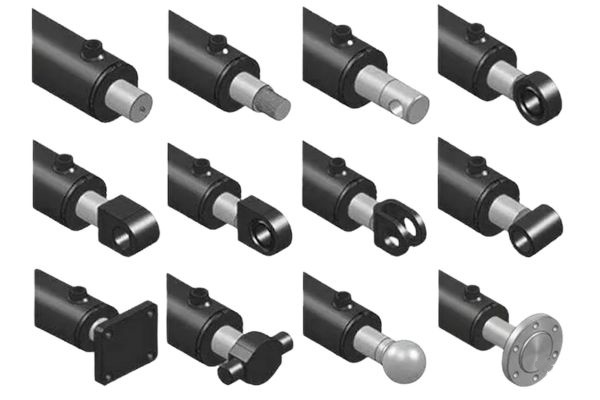
Custom Mounting, Stroke, and Port Design
Different tillage machines need different installation logic, movement range, and hose routing. We can support custom mounting style, custom stroke, and custom port direction so the cylinder fits your equipment structure better and reduces avoidable adjustment during assembly.

Multi-Cylinder Consistency
Wide tillage frames and multi-function machines often use more than one cylinder in the same system. Keeping bore, stroke, mounting, and movement response consistent across the full set is critical for smoother machine behavior, easier assembly, and fewer field complaints after delivery.

Batch Production Capability
OEM cooperation needs repeatable production, not one successful sample only. We support batch manufacturing for ongoing projects so you can plan around stable delivery, more predictable order scheduling, and better control when the same cylinder family is used across multiple machine models.
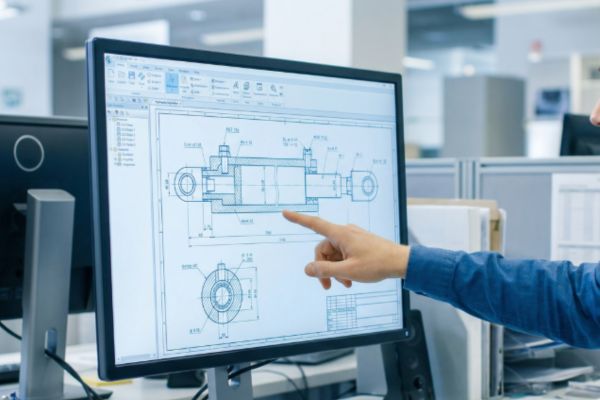
Project Cooperation That Fits Purchasing Workflows
OEM buyers usually need quotation support, drawing review, sample confirmation, and a clear path toward repeat orders. A more organized development process helps both engineering and purchasing teams move with fewer delays and gives more confidence before a new supplier is added into the program.
A Better Fit for OEM Buyers Who Need More Than Standard Stock
If you are sourcing tillage cylinders for a new machine, an upgraded model, or a long-term replacement line, send your drawing, sample, or project requirements first. We can discuss the key cylinder points with your team and help you move toward a more practical quotation and development path.
Common Customer Pain Points and Topa Solutions
You do not only care about whether a cylinder can move. You care about leakage, holding ability, sync, cold weather response, fitment, and repeat order stability. These are the problems that most often cause complaints, returns, and field downtime. Topa focuses on solving these issues before production starts.
Leakage Complaints
Customer Pain Point
Oil leakage is the most common complaint. Behind the leakage, the real causes are often poor rod roughness, weak chrome plating, bracket misalignment, contamination, or rod surface damage from straw, mud, and sand.
Topa Solution
Topa checks rod finish, plating quality, seal matching, and fitment details before production. We also help reduce side load and contamination risk, so the cylinder is less likely to leak early in the field.
Poor Holding, Cylinder Sinks Down
Customer Pain Point
This problem is often reported on wing folding, transport position, depth holding, and packer roller position holding. Customers complain that the cylinder cannot stay in place and the machine slowly drops by itself.
Topa Solution
Topa focuses on sealing quality, bore accuracy, and internal leakage control. We can also confirm working conditions with you, so the cylinder is built for stable holding instead of only basic movement.
Left and Right Move Out of Sync
Customer Pain Point
Wide agricultural machines are very sensitive to sync problems. Customers will say the left side goes deeper, one side lands first, or one wing folds faster than the other, which directly affects field quality.
Topa Solution
Topa pays attention to dimensional consistency, stroke control, and sealing stability across matched cylinders. For paired applications, we help reduce variation so both sides work more evenly in real use.
Slow Movement in Cold Weather
Customer Pain Point
This is more obvious in Europe, Russia, Central Asia, Canada, and other cold regions. In low temperatures, seals, oil, valves, and hoses can all affect response speed and return flow.
Topa Solution
Topa can discuss the working temperature range with you before production. Based on the application, we help choose more suitable sealing and cylinder details to reduce slow start and poor return action in cold conditions.
Fitment Size Mismatch
Customer Pain Point
Many aftermarket customers do not have full drawings. They only have an old cylinder. The biggest worries are wrong pin-to-pin length, mount width, pin size, closed length, stroke, or port direction.
Topa Solution
Topa supports drawing-based and sample-based matching. We help check installation size, stroke, closed length, mount type, and oil port layout before production, which lowers the risk of replacement mistakes.
Batch Quality Variation
Customer Pain Point
Customers do not want one batch to fit well and the next batch to cause complaints. Inconsistent size, sealing, or machining quality creates trouble for OEM orders, distributors, and repeat replacement business.
Topa Solution
Topa focuses on stable processing, dimension checks, and production control for repeat orders. This helps customers reduce installation issues, field complaints, and the extra cost caused by unstable batches.
Manufacturing & Quality Control
After you confirm that the cylinder type matches their machine, the next question is whether the supplier can keep product quality stable. This section helps show how production control and inspection support more reliable sealing, better dimensional consistency, and fewer avoidable problems after installation.

Raw Material Control
Material quality affects cylinder strength, machining stability, and long-term durability. Starting with controlled raw material helps reduce variation from the beginning and gives you more confidence when the same cylinder design must be repeated across multiple orders.

Tube and Rod Machining
Tube and rod machining has a direct effect on fit, sealing, and movement stability. Better machining control helps keep dimensions more accurate, improves rod surface condition, and supports more consistent cylinder performance during repeated field use.

Welding and Fixture Control
Mounting accuracy depends heavily on welding position and fixture control. A more stable welding process helps reduce alignment problems, supports cleaner assembly, and lowers the risk of fitment complaints caused by mounting points that shift away from the original design intent.

Seal Assembly
Seal assembly is one of the most important steps for oil retention and movement stability. Careful assembly helps reduce leakage risk, supports smoother operation, and gives you better confidence that the cylinder will perform well after installation in real field conditions.
Quality Inspection
Consistent cylinder performance depends on how well each critical point is checked before shipment. These inspections help reduce variation between batches, improve sealing performance, and give you more confidence when placing repeat orders.

Material Testing
Material inspection helps confirm that steel quality meets strength and durability requirements. This reduces unexpected variation and supports more stable performance when cylinders are used under heavy load and repeated field conditions.
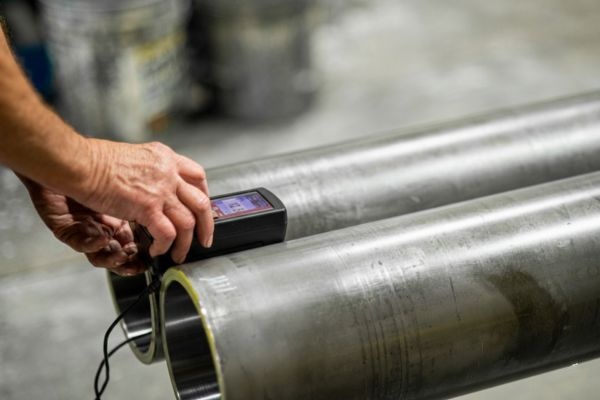
Surface Roughness Testing
Surface roughness has a direct effect on sealing performance and friction. Controlling this detail helps reduce internal wear, improve smooth movement, and lower the risk of early leakage during operation.
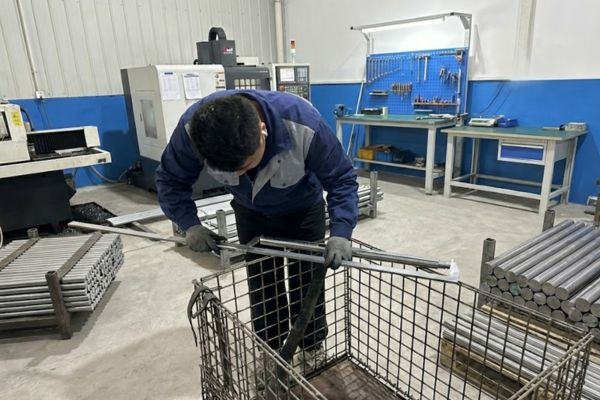
Dimensional Inspection
Dimensional checks confirm that key sizes such as pin-to-pin length, stroke, and mounting width match the required specification. This helps reduce installation issues and ensures the cylinder fits correctly on the machine.
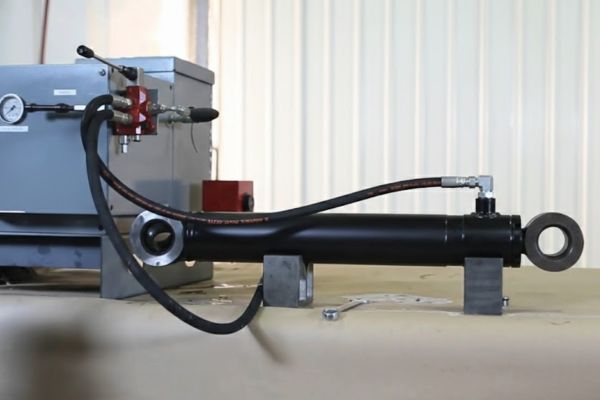
Pressure Testing
Pressure testing checks sealing performance and structural reliability under working conditions. This step helps confirm that the cylinder can hold pressure, operate safely, and perform as expected before shipment.
Watch Our Hydraulic Cylinder Manufacturing Video
This video shows how hydraulic cylinders are processed before shipment. It helps you check machining accuracy, production control, and how key steps affect fit and sealing performance.
See How Our Cylinders Are Made
This video gives a real view of machining, assembly, and production flow. It helps you understand how we control key details that affect cylinder performance.
- Tube and rod machining for accurate dimensions
- Organized production steps before assembly
- Process control for better sealing performance
- Stable production for repeat orders and OEM supply
Use this section to evaluate real production capability before placing your order.
Why Choose Us
Choosing a tillage cylinder supplier is not only about price. You also need confidence in matching, production stability, response speed, and long-term cooperation. These are the points that help reduce purchasing risk and make follow-up orders easier to manage.
Faster Replacement Matching
You can send drawings, old samples, photos, or key dimensions to start the discussion. This helps you move faster and reduces delays caused by incomplete technical information.
Stable Batch Consistency
When one machine uses several cylinders, consistency matters. More stable control in production helps you reduce variation between batches and supports smoother machine assembly.
Reliable Quality Control
Material checks, machining control, dimensional inspection, and pressure testing help support more reliable sealing and fitment, giving you greater confidence before shipment.
OEM and Custom Support
We can work from technical drawings or existing samples and support custom mounting, stroke, and port layout, making it easier for OEM teams to match different machine structures.
Quick Response on Projects
You often work under tight seasonal schedules. Faster quotation support and clearer project communication help you move from inquiry to decision with less waiting.
Better Support for Repeat Orders
A supplier that can handle both sample stages and repeat production helps you manage long-term purchasing more easily, especially when the same cylinder family is used across several models.
Frequently Asked Questions
Understand how tillage hydraulic cylinders work, what they control, and how their structure affects performance in field conditions.
Send Your Tillage Cylinder Inquiry
Whether you are replacing a leaking field cultivator cylinder or sourcing a full OEM set for disc harrow or strip-till equipment, you need the right size, correct mounting, and stable performance.
- Send old cylinder photos, nameplate details, drawings, or rough dimensions.
- Confirm key data including pin-to-pin length, stroke, closed length, mount width, pin diameter, and port direction.
- Check installation space and movement range to avoid interference or over-extension problems.
- Match cylinders for lift, fold, depth control, angle adjustment, and row unit applications.
- Support replacement orders, distributor stock supply, and OEM batch production.