
Seeder Hydraulic Cylinders Built for Lift, Fold, Depth, and Transport Control
Get seeder cylinders that match your machine layout, hold stable under repeated field cycles, and simplify sourcing for OEM projects, replacement programs, and custom agricultural equipment lines.
Main Cylinder Types for Seeder Equipment
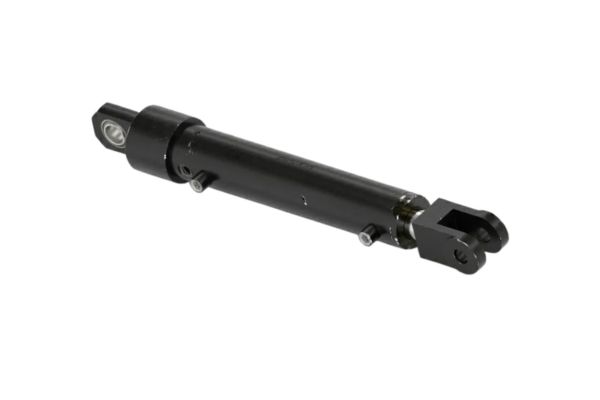
Frame Lift Cylinders
These cylinders raise and lower the main seeder frame during field work and transport conversion. Strong lifting force and stable holding help large machines move smoothly and stay controlled on uneven ground.
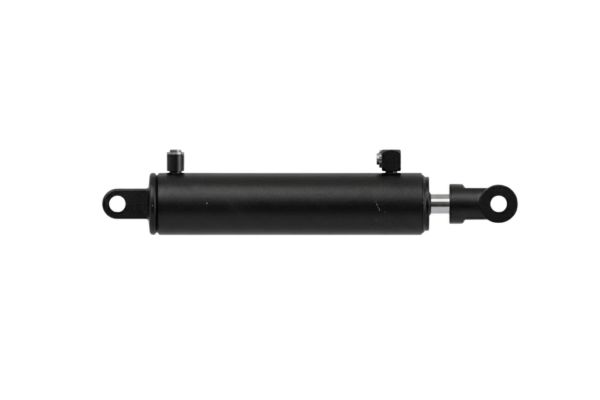
Wing Fold Cylinders
These cylinders control wing folding and unfolding on wide seeder frames. Accurate stroke and steady movement help the machine switch between field mode and road transport with less setup trouble.
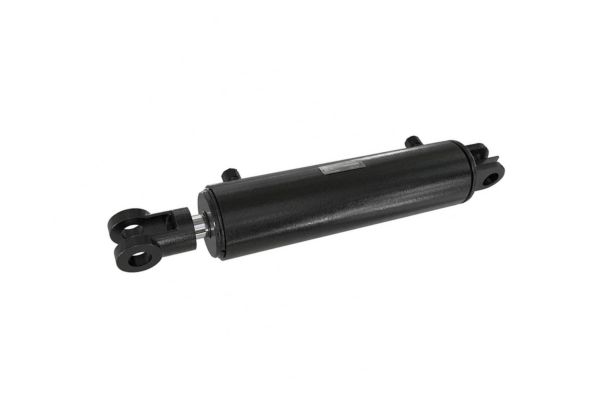
Marker Cylinders
Marker cylinders extend and retract the marker arm during planting passes. Compact structure and quick response help the operator create clearer field guidance while keeping movement reliable in dusty conditions.
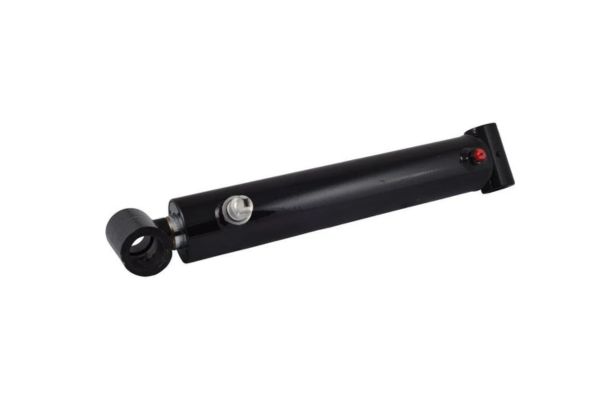
Depth Adjustment Cylinders
These cylinders adjust planting depth by changing row unit or toolbar position. More accurate depth control helps improve seed placement consistency and supports better field performance across changing soil conditions.
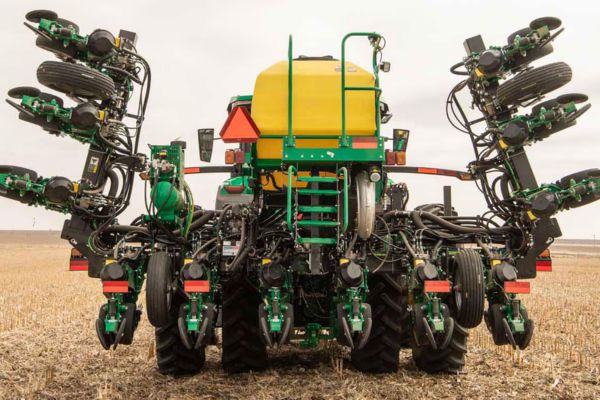
Seeder Cylinder Positions on the Machine
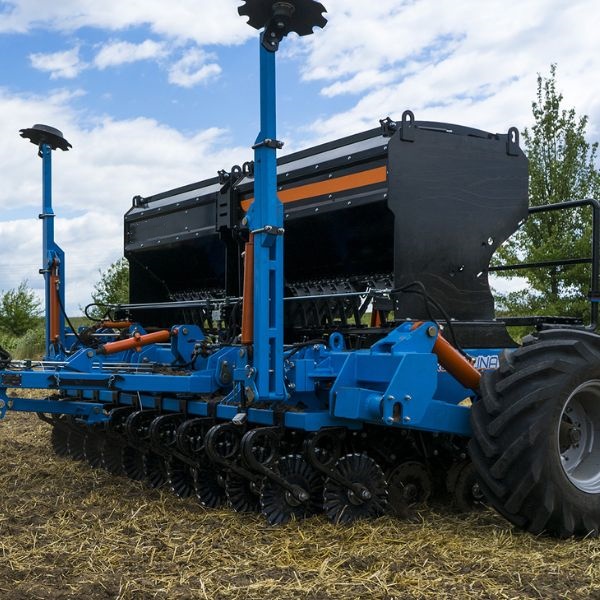
One view shows where your cylinder must work
A clear machine-position section helps visitors compare their own frame layout with your cylinder offer. It reduces guesswork, shortens early communication, and improves inquiry quality because the application is easier to confirm.
Frame Lift
Raises and lowers the main machine frame.Wing Fold
Controls folding and unfolding on wide planter frames.Marker
Extends and retracts the field marker arm.Depth Control
Adjusts planting depth and toolbar position.Wheel Lift
Moves transport or support wheels.Transport Lock
Helps switch between field mode and transport mode.Seeder Hydraulic Cylinder Applications
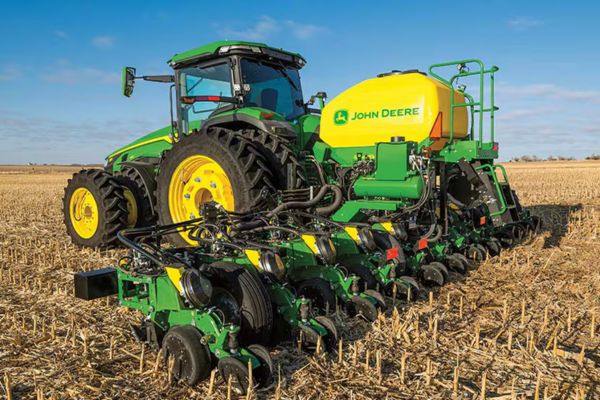
Row Crop Seeders
Good for folding frames, marker systems, and transport lift functions on row-by-row planting machines.
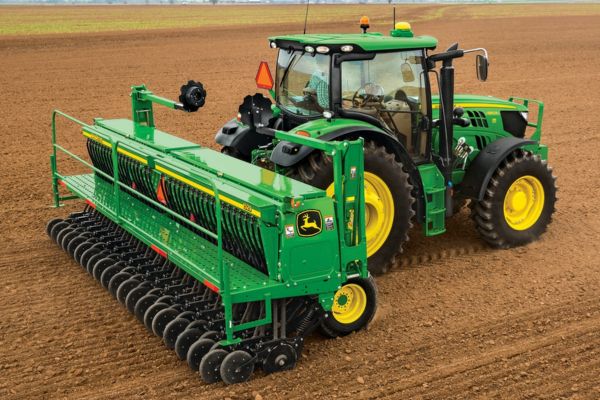
Grain Drills
Suitable for depth-related adjustments, wheel lift systems, and stable operation over long, continuous field passes.
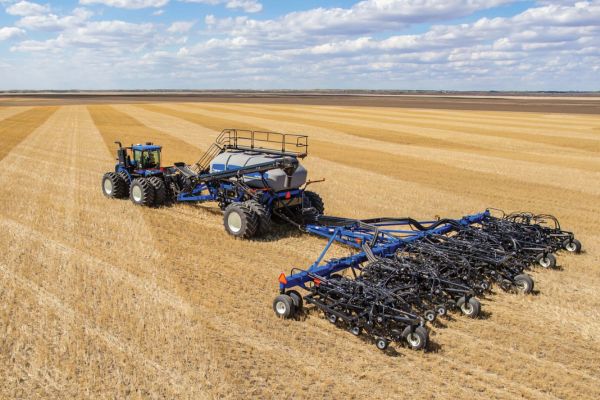
Air Seeders
Supports large frame movement, road transport conversion, and demanding cycle loads on wider equipment.
No-Till and Folding Planters
Works well where residue, vibration, dust, and side load make cylinder protection and sealing more important.
Technical Specifications Table

Typical Seeder Cylinder Specifications
| Bore | 40 mm to 125 mm |
| Rod Diameter | 20 mm to 63 mm |
| Stroke | 100 mm to 1200 mm |
| Closed Length | Custom according to drawing and machine layout |
| Working Pressure | 16 MPa to 25 MPa |
| Test Pressure | 1.5 times the working pressure |
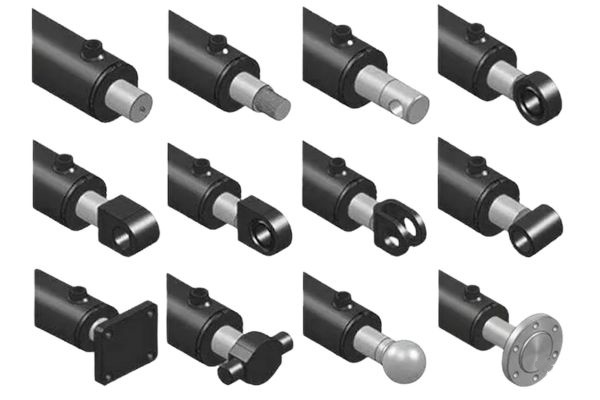
| Mounting Type | Clevis, eye end, trunnion, flange, and custom mounting styles |
Custom Options for Your Seeder Cylinder Program

Size Customization
Custom bore, stroke, rod diameter, and closed length help match the real motion path of your seeder structure.
Mounting and Port Changes
Custom end styles, mounting width, port direction, and thread type help reduce fit risk during assembly.

Marking and Branding
Part number marking, logo, color, and packaging options help support repeat orders and branded machine programs.

Seal and Surface Selection
Seal material and rod protection can be adjusted for fertilizer, moisture, dust, and outdoor storage conditions.
What We Need for a Fast Quote
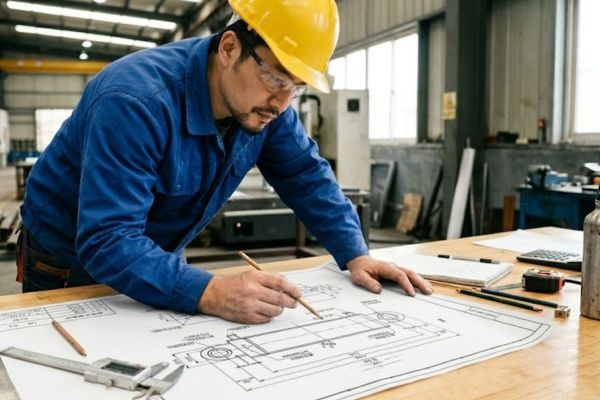
A clear quote-info section helps the visitor submit useful technical details from the start. That makes your response faster and reduces incomplete inquiries.
- 2D drawing, 3D file, or sample photo
- Bore, rod diameter, and stroke
- Closed length and mounting style
- Pin size and mounting width
- Port thread and port position
- Working pressure and machine model
- Order quantity and destination market
How We Help Reduce Fitment Errors
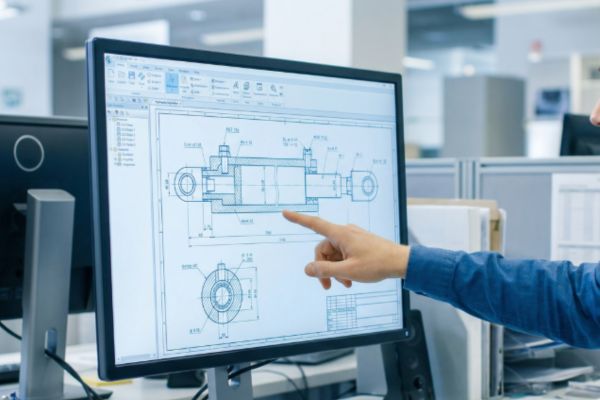
This block directly addresses one of the biggest risks on replacement and OEM cylinder sourcing: the part looks close, but does not fit on the machine.
- Confirm pin-to-pin dimensions before production
- Check retracted and extended length carefully
- Review mounting type and movement direction
- Confirm port angle and hose clearance
- Match stroke to the real machine motion range
- Review sample approval when needed
Field Conditions Your Seeder Cylinders Must Handle
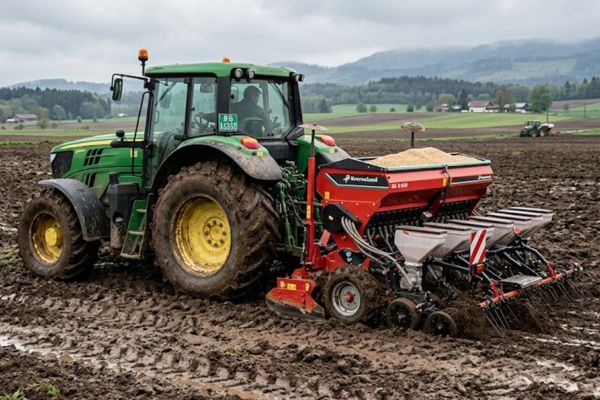
Dust, Residue, and Long Hours
Better wiper design and stable sealing help the cylinder stay cleaner during long seasonal operation and reduce contamination-related wear.
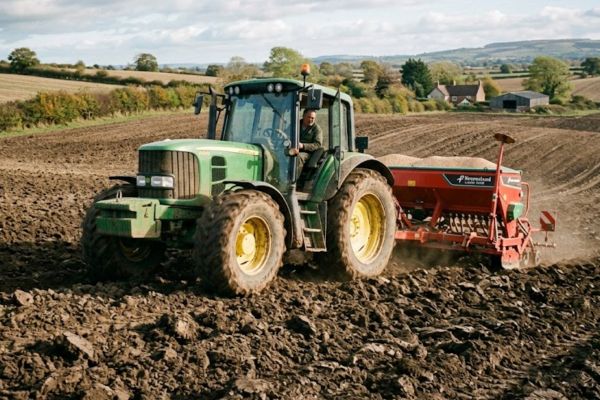
Shock, Vibration, and Road Transport
Strong tube, weld area, and rod support help the cylinder handle repeated motion, turning loads, and transport vibration more reliably.
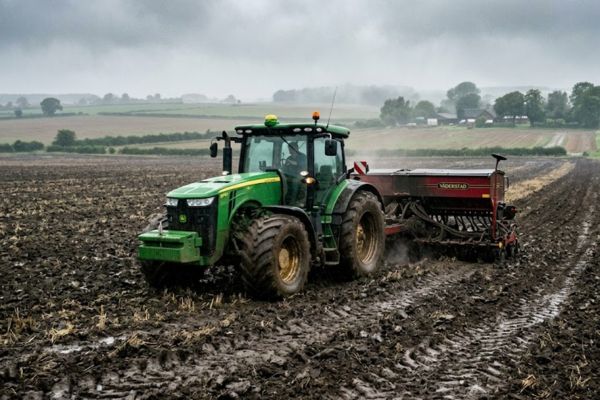
Moisture, Fertilizer, and Storage Exposure
Rod protection, paint quality, and optional corrosion-resistant finishes help the cylinder stay in better condition during outdoor use and storage.
Real Field Service Problems and How Topa Helps
Real Field Problems
Seal Leakage Starts Small
Leakage often starts as light oil sweat and later becomes visible leakage. During seeding season, many users keep running until control becomes worse and downtime follows.
Rod Damage Happens Often
Rod scoring often comes from mud, crop residue, outside impact, or hose pulling force. Once the rod surface is damaged, seal life usually drops quickly.
Side Load Wears the Cylinder Out
Worn pin holes, bushings, and mounting points often push the cylinder into side load. Many cylinders fail because they keep working in the wrong line.
Multi-Cylinder Movement Gets Out of Sync
On large folding seeders, poor synchronization can make folding rough and unstable. The cause may come from leakage difference, size variation, or uneven hydraulic flow.
Low Temperature Creates More Trouble
In colder markets, cylinders may move slowly at startup, hold pressure less steadily, or suffer from harder and more brittle seals during winter operation.
How Topa Helps
Better Sealing Control
Topa focuses on seal selection, rod finish, and pressure testing before shipment to reduce early leakage risk and support more stable field use.
More Suitable Rod Protection
Topa supports better rod surface treatment and matching protection details to help the cylinder handle dirt, contact, and outdoor agricultural work more reliably.
Fitment Review for Real Structure
Topa reviews mounting type, pin size, and application movement to help reduce side-load risk and support better fit on the real machine structure.
Better Matching Across Cylinders
Topa keeps tighter dimension control and checks application details more carefully, helping reduce matching problems across multi-cylinder systems.
Options for Colder Conditions
Topa can match seal and material options to different working environments so the cylinder fits better with low-temperature and seasonal operating conditions.
Manufacturing Process

Raw Material Preparation
Topa prepares tube, rod, and component materials according to the production plan so the next machining steps start with the right base dimensions and material condition.

Tube Cutting
The cylinder tube is cut to the required length based on the drawing, helping keep the next machining and assembly stages closer to the target cylinder size.

CNC Machining
Topa machines the main cylinder parts with CNC equipment to control key dimensions such as bore-related parts, end connections, and port areas more accurately.

Welding
Welding joins the main cylinder body parts into one structure. Stable welding helps the cylinder handle working pressure and repeated field movement more reliably.
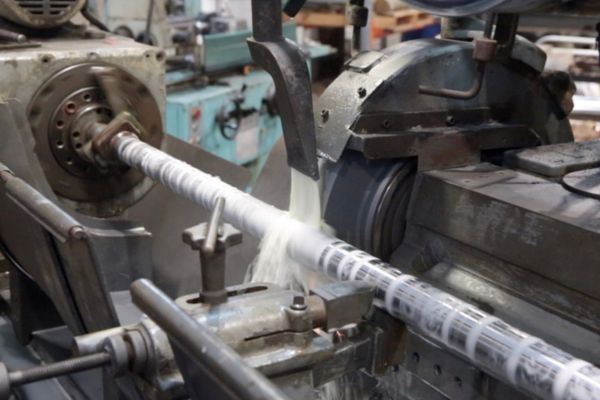
Rod Processing
The rod is processed to match the required size and surface condition, helping improve seal contact, movement stability, and long-term resistance to wear and corrosion.

Assembly
Topa assembles the tube, rod, seals, piston, and end components into the finished cylinder structure, following the production drawing and application requirement.

Pressure Testing
Pressure testing helps confirm sealing performance and structural stability before shipment, reducing the chance of leakage or performance problems after installation.

Surface Treatment
Surface treatment helps improve appearance and protection. It supports better resistance against moisture, dirt, and outdoor storage conditions in agricultural environments.
Materials and Quality Control That Matter
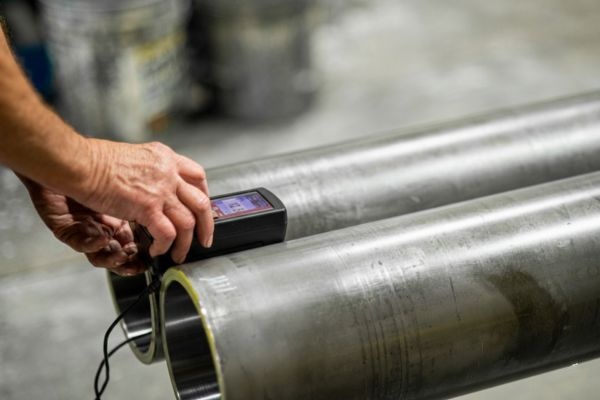
Material Review
Tube, rod, and component material checks support better structural consistency and more predictable cylinder performance.
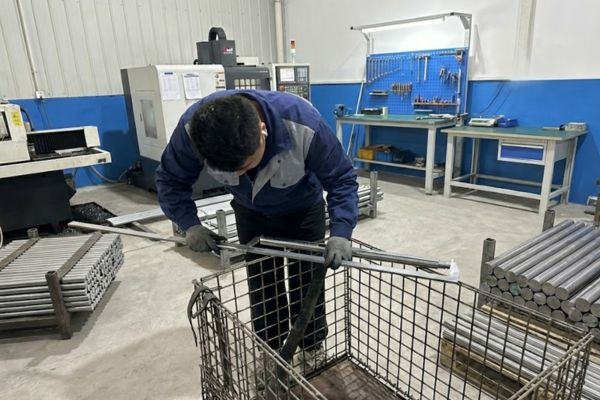
Machining Control
Stable machining tolerance helps the cylinder fit the machine more easily and supports cleaner seal performance.
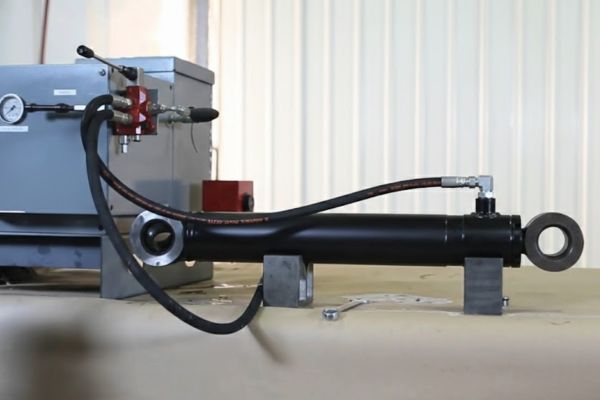
Pressure and Leakage Test
100% pressure testing helps confirm that the cylinder works as expected before it reaches your warehouse or assembly line.

Packing Check
Final packing review helps protect rod surfaces, paint, and threaded areas during export handling and transport.
Frequently Asked Questions
Can these seeder cylinders handle repeated lifting and folding cycles?
How do you help reduce oil leakage in field use?
Can the cylinder work well in dusty and muddy seeding environments?
Can you match the stroke to the real machine movement?
Do these cylinders help maintain stable planting depth control?
Can you support cylinders for multi-cylinder folding systems?
How do you help reduce side-load damage?
Can the cylinders be adapted for low-temperature markets?
Custom Your Seeder Hydraulic Cylinders
Topa supplies seeder hydraulic cylinders for lift, fold, marker, depth adjustment, wheel lift, and transport functions. These cylinders are designed to match real machine movement, handle repeated field cycles, and support more stable operation in dust, mud, vibration, and seasonal outdoor conditions.
- Suitable for lift, fold, marker, depth, and transport functions
- Custom bore, stroke, closed length, mount, and port options
- Built for repeated field cycles and outdoor working conditions
- Better fit control for OEM replacement and new machine projects