
How to Prevent a Hydraulic Cylinder Retracting Slowly with Maintenance
Your heavy equipment grinds to a halt because a hydraulic cylinder is stuck extended—or a hydraulic cylinder retracting slowly can’t finish the stroke. This sudden failure freezes operations, burning time and money as projects slip. A non-retracting or slow-retracting cylinder isn’t a mere nuisance; it’s a critical fault that can cascade into major machine damage and create safety risks.
This guide provides a systematic approach to diagnosing why your hydraulic cylinder is retracting slowly or not at all.
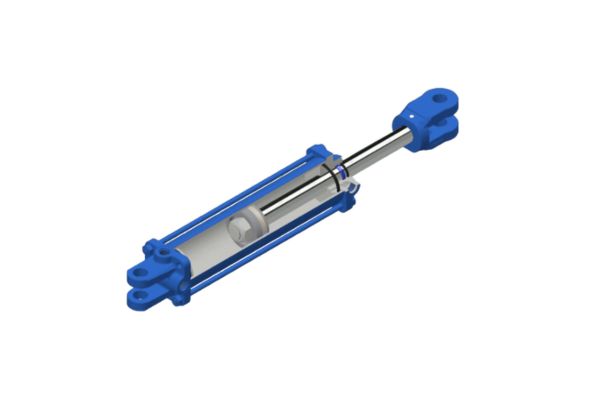
Diagnosing a Slow Hydraulic Cylinder
What are the first steps to check?
When you first notice a problem, start with a visual inspection of the cylinder and hoses for obvious damage or leaks. Listen for unusual noises like grinding or whining, which can indicate contamination or mechanical issues. Checking the hydraulic fluid level in the reservoir is another simple but crucial first step.
Here’s the deal: These basic observations can often point you directly toward the root cause without needing complex tools.
How do cylinder types affect retraction?
Understanding your cylinder type is essential for proper diagnosis. Single-acting cylinders use hydraulic pressure to extend and rely on an internal spring or the load’s weight to retract. Double-acting cylinders use hydraulic power for both extension and retraction, controlled by a directional valve.
Creating a simple diagnostic checklist
Start with the basics to narrow down the problem. Begin by checking the hydraulic fluid level and condition, then inspect for external leaks around seals and fittings. Finally, confirm all hoses are free of kinks or damage that could restrict flow.
Knowing if your cylinder is single-acting or double-acting is the first critical step, as it determines whether the retraction problem is mechanical or hydraulic.
| Cylinder Type | Retraction Method | Common Failure Point |
|---|---|---|
| Single-Acting | Spring or gravity/load | Mechanical binding, damaged spring, flow obstruction. |
| Double-Acting | Hydraulic pressure | Internal seal leaks, control valve issues, line blockage. |
This differentiation immediately refines the diagnostic focus, preventing wasted time on irrelevant checks.
Fluid & a Slowly Retracting Cylinder
Why does fluid contamination matter?
Hydraulic fluid is the lifeblood of your system, but it can become contaminated with dirt, water, or metal particles. These contaminants act as abrasives, scoring cylinder walls and damaging seals. This leads to internal leaks that reduce the pressure needed for retraction.
Using the wrong type of hydraulic fluid
Not all hydraulic fluids are the same; using the wrong type can be disastrous for your system. Incorrect viscosity means the fluid might be too thick to flow properly in cold weather or too thin to maintain pressure when hot. This directly impacts retraction speed and overall performance.
How to check for fluid degradation
You might be wondering, “What should I look for?” Check for fluid that appears milky, which indicates water contamination, or foamy, which suggests air is in the system. Fluid that is dark and smells burnt has likely overheated and lost its lubricating properties.
Proactive fluid management is the most cost-effective way to prevent contamination-related slowdowns and extend the life of your hydraulic system.
| Symptom | Probable Cause | Preventative Action |
|---|---|---|
| Jerky, erratic movement | Particulate contamination | Regular fluid analysis and filter changes. |
| Milky or foamy fluid | Water or air contamination | Seal reservoirs, check for leaks on the suction side. |
Clean, correct hydraulic fluid is fundamental to cylinder performance and longevity.
Seals & a Slowly Retracting Cylinder
Identifying worn or damaged piston seals
Piston seals prevent fluid from bypassing the piston internally, which is essential for building pressure. If a seal is worn, fluid leaks from the high-pressure side to the low-pressure side. As a result, the cylinder loses the force needed to retract properly.
Can seal misalignment cause this issue?
Yes, if a seal is installed incorrectly or the cylinder components are misaligned, it can cause uneven wear. This leads to premature failure and creates a path for internal leakage. Proper alignment ensures the seal wears evenly and maintains its integrity.
Choosing the right replacement seals
When replacing seals, you must use the correct size and material for your system’s pressure and temperature. A low-quality or incorrect seal will fail quickly, putting you right back where you started. Always match the replacement to the manufacturer’s specifications.
Seal failure is often a symptom of a larger problem like contamination or mechanical damage; replacing the seal without fixing the root cause is only a temporary fix.
| Seal Failure Cause | Symptom | Diagnostic Check |
|---|---|---|
| Contamination | Scored or nicked seal | Inspect fluid and cylinder bore for abrasives. |
| High Temperature | Brittle or melted seal | Verify system operating temperature is within spec. |
Seal integrity is directly linked to the cylinder’s ability to build and maintain pressure for retraction.
Damage & a Slowly Retracting Cylinder
Spotting rod or barrel deformation
Visually inspect the cylinder rod for any signs of bending, scoring, or dents. Even a slight bend can cause the piston to bind inside the barrel, creating immense friction that slows or stops retraction. Similarly, a dent in the cylinder barrel can obstruct the piston’s path.
Impact from overloading the system
So, what’s the bottom line? Every cylinder has a maximum load rating that should never be exceeded. Overloading the system can easily bend the rod or damage internal components, leading to immediate retraction problems and long-term reliability issues.
When is mechanical damage too severe?
Minor scoring on a rod can sometimes be polished out, but a bent rod or a dented barrel almost always requires replacement. Attempting to operate a physically damaged cylinder is a major safety risk. If the damage causes any binding, the cylinder is no longer safe to use.
Mechanical damage is often irreversible and presents a significant safety hazard that must be addressed immediately to prevent catastrophic failure.
| Type of Damage | Visible Sign | Consequence |
|---|---|---|
| Bent Rod | Rod does not retract straight; visible bow. | Increased seal wear and binding; potential barrel scoring. |
| Dented Barrel | Visible dent on the exterior barrel. | Piston binds at the point of the dent, stopping movement. |
This highlights that the cylinder’s mechanical integrity is just as important as its hydraulic function.
Pressure & a Slowly Retracting Cylinder
How do pressure imbalances occur?
For a double-acting cylinder to retract, the pressure on the rod side of the piston must be sufficient to overcome the fluid on the other side. Imbalances occur from internal leaks, a faulty relief valve set too low, or a blockage in a return line. These issues prevent the system from building the necessary retraction force.
The role of valves in pressure control
Directional control valves route fluid to extend or retract the cylinder, while relief valves protect the system from over-pressurization. If a control valve is sticking or a relief valve is stuck open, your system will fail to generate adequate pressure.
Troubleshooting internal pressure leaks
The question is, where is the pressure going? The best way to diagnose pressure issues is with a hydraulic pressure gauge. Testing the pressure on both sides of the cylinder during operation can confirm if an internal leak or a faulty valve is the culprit.
Pressure issues often point to problems with system components like pumps, valves, or hoses that regulate hydraulic flow, not just the cylinder itself.
| Problem | Potential Cause | How to Check |
|---|---|---|
| Low System Pressure | Faulty pump or relief valve. | Use a pressure gauge at the pump outlet. |
| High Backpressure | Clogged return line or filter. | Check return lines for kinks or obstructions. |
This demonstrates that troubleshooting slow retraction must involve analyzing the entire hydraulic circuit.
Temps & a Slowly Retracting Cylinder
How high heat affects cylinder function
Excessive heat is an enemy of hydraulic systems because it thins the hydraulic fluid, reducing its viscosity. This thin, runny fluid can easily bypass seals, leading to a loss of pressure and power. It also accelerates the aging of seals and hoses, causing them to become brittle and fail.
Cold weather making fluid sluggish
On the flip side, extreme cold has the opposite effect. Low temperatures thicken hydraulic fluid, making it sluggish and difficult to pump. This increased viscosity slows fluid flow throughout the system, directly impacting cylinder speed.
Operating in the correct temp range
Most hydraulic systems are designed to operate within a specific temperature window. Ensuring your system has adequate cooling for hot environments and allowing for a proper warm-up period in the cold is crucial. This maintains the fluid’s ideal viscosity for optimal performance.
Operating outside the system’s specified temperature range directly compromises fluid properties, leading to predictable performance issues like slow retraction.
| Temperature | Effect on Fluid | Cylinder Symptom |
|---|---|---|
| Too High | Low viscosity (thin) | Loss of power, internal bypassing, potential for drift. |
| Too Low | High viscosity (thick) | Sluggish, slow movement, increased pump strain. |
Maintaining optimal operating temperatures is essential for predictable hydraulic performance.
Drift & a Slowly Retracting Cylinder
What is hydraulic cylinder drift?
Hydraulic cylinder drift is when a cylinder moves on its own without a command, typically while holding a load. For example, a raised boom might slowly lower by itself. This is caused by an internal leak that allows fluid to bypass a seal.
How internal leaks cause drift issues
The root cause of drift is almost always an internal leak past the piston seal or at the control valve. This is the same issue that can cause slow commanded retraction. The fluid “leaks” from the high-pressure holding side to the low-pressure side, allowing the cylinder to move.
Preventing drift in heavy-load jobs
Here’s the critical part: Drift is a major safety concern, especially in applications with heavy loads. The best prevention is routine inspection and replacement of piston seals and timely maintenance of control valves. Never ignore a drifting cylinder.
While slow retraction is an efficiency problem, drift is a critical safety failure that demands immediate operational shutdown and repair.
| Symptom | Description | Primary Cause |
|---|---|---|
| Slow Retraction | Cylinder moves slowly when commanded. | Insufficient pressure or flow, mechanical binding. |
| Cylinder Drift | Cylinder moves slowly without a command. | Internal leak (worn piston seals or control valve). |
This comparison clarifies that although the symptoms appear different, their root causes are often identical.
Setup & a Slowly Retracting Cylinder
How improper installation causes failure
A hydraulic cylinder must be mounted so that it pushes and pulls in a perfectly straight line. If it is misaligned, it creates a “side load” on the rod. This side-loading causes accelerated wear on seals and bushings and can create enough friction to slow or bind the cylinder.
Is your cylinder correctly aligned?
Check for uneven wear on the cylinder’s mounting pins and bushings, which is a clear sign of side-loading. Watch the cylinder as it operates; it should move smoothly in a single plane without any shifting or groaning noises.
Following manufacturer installation guides
When installing a new cylinder, always follow the manufacturer’s guidelines precisely. Using the correct mounting hardware and ensuring perfect alignment from the start is non-negotiable. This prevents a host of future problems, including slow retraction and premature failure.
Proper mechanical alignment is a prerequisite for efficient hydraulic function, as no amount of pressure can overcome the friction from a poorly installed cylinder.
| Installation Error | Symptom | Corrective Action |
|---|---|---|
| Misalignment | Uneven seal wear, scraping noises, bent rod. | Re-align cylinder, check mounts for damage. |
| Incorrect Mounting | Bent pins, cracked mounts. | Replace damaged hardware and ensure proper fit. |
This proves that mechanical setup is a crucial, and sometimes overlooked, factor in hydraulic performance.
Upkeep & a Slowly Retracting Cylinder
Why routine maintenance is a must
The vast majority of hydraulic cylinder problems can be prevented with a proactive maintenance plan. Instead of waiting for a failure to occur, regular checks allow you to catch small issues before they become big ones. This saves you from costly downtime and emergency repairs.
Creating a maintenance schedule
Implement a simple schedule for your equipment. Daily checks should include looking for leaks and visible damage, while weekly checks can focus on fluid levels. Monthly or quarterly inspections should include changing filters and checking system pressures.
Key areas for regular inspection
Look beyond the cylinder itself. Regularly inspect hoses for cracks or bulges, check that filters are clean, and listen to the hydraulic pump for any changes in sound. A holistic approach to system health is the best way to ensure reliability.
Consistent, documented maintenance is the single most effective strategy to prevent a hydraulic cylinder from retracting slowly and avoid unexpected failures.
| Maintenance Task | Frequency | Purpose |
|---|---|---|
| Fluid Level/Clarity Check | Weekly | Prevent contamination and low-fluid issues. |
| Visual Inspection for Leaks | Daily | Catch seal failures and loose fittings early. |
| Filter Change | Per manufacturer spec | Remove contaminants before they cause damage. |
A systematic maintenance culture is the solution to nearly all the problems previously discussed.
Fixing a Slowly Retracting Cylinder
Step-by-step repair solutions
Once you have diagnosed the cause, you can take action. A clogged filter is a simple replacement, and a minor leak may only require tightening a fitting. For internal issues, you will need to decide whether to repair or replace the cylinder.
When to repair vs. when to replace
It comes down to this: is the core component compromised? A cylinder with worn seals is a good candidate for repair with a new seal kit. However, a cylinder with a bent rod, a deeply scored barrel, or a dented housing should always be replaced to ensure safety and performance.
Finding quality replacement cylinders
If replacement is necessary, don’t compromise on quality to save a few dollars. Source your replacement cylinder from a reputable supplier that meets or exceeds OEM specifications. This ensures the new component will perform reliably and last for years to come.
The final step in fixing your slow cylinder is choosing the right solution; investing in a quality repair or replacement will ensure long-term reliability.
| Solution | Best For… | Key Consideration |
|---|---|---|
| Repair (Seal Kit) | Minor internal leaks, no physical damage. | A cost-effective fix for simple wear and tear. |
| Full Replacement | Bent rod, scored barrel, extensive damage. | Ensures safety and restores original performance. |
This provides a clear decision-making framework, empowering you to take the correct final action.
Conclusion
You now have a complete diagnostic checklist to solve retraction issues, covering everything from fluid contamination and worn seals to mechanical damage and improper maintenance. When a repair isn’t enough, we provide American-made, performance-built replacement hydraulic cylinders—including welded rod, telescopic, and custom solutions—to get your equipment running better than ever. Our commitment is to demolish downtime by providing reliable, high-quality hydraulic solutions that keep industries moving.
Frequently Asked Questions
1. How do I know if my cylinder’s seals are the problem?
It’s highly likely if you see external fluid leaks around the rod or if the cylinder drifts under load. These are classic signs of seal failure, either at the rod gland or internally at the piston.
2. Can I use a different type of hydraulic fluid temporarily?
No, this is strongly discouraged. Using the wrong fluid can cause seal incompatibility, foaming, and improper lubrication, potentially leading to catastrophic system failure.
3. What are the signs of a bent cylinder rod that I can see?
Look for a visible bow in the rod as it extends, or watch for it to retract unevenly. You may also see flaking chrome or uneven wear on the rod seals, which indicates side-loading from a bend.
4. How often should I perform maintenance on my system?
Daily visual inspections are recommended, with more thorough maintenance scheduled quarterly or semi-annually. Follow the manufacturer’s service interval, but increase frequency if the equipment operates in harsh environments.
5. Is it more cost-effective to repair or replace my cylinder?
It often is for simple seal failures, but not for major damage. If the cylinder barrel is scored or the rod is bent, the cost of repair can approach or exceed the cost of a new cylinder, making replacement the better option.