
How to Diagnose Hydraulic Cylinder Seal Failure Before It Escalates
A leaking hydraulic cylinder seal can bring your entire operation to a standstill, leading to costly downtime and potential equipment damage. What starts as a minor leak may quickly escalate into catastrophic failure, creating severe safety risks and massive repair bills. That’s why understanding seal performance is critical. This guide gives you a complete roadmap for diagnosing hydraulic cylinder seal problems, selecting the correct replacement kit, and restoring your machinery to peak efficiency with confidence.
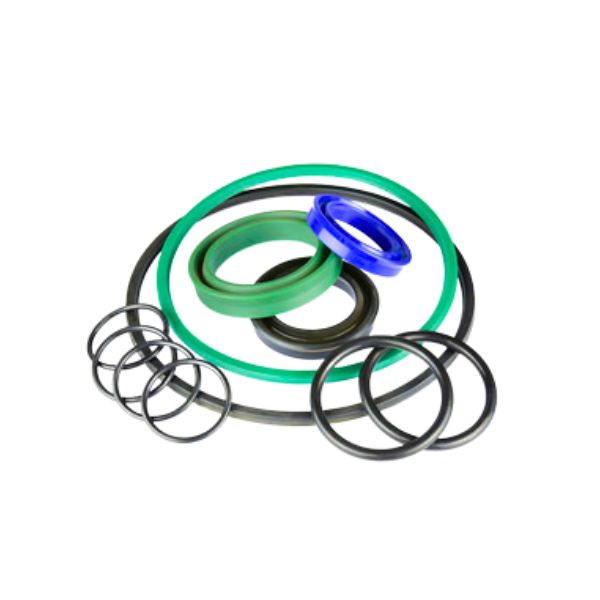
The role of a hydraulic cylinder seal
What is its primary function?
The primary function of a hydraulic cylinder seal is to prevent fluid from bypassing the piston, ensuring pressure is contained for proper cylinder operation. Here’s the deal: this containment is what allows your machinery to generate force and movement reliably.
- Prevent internal and external leakage.
- Maintain hydraulic pressure.
- Block contaminants from entering the system.
Why are hydraulic cylinder seals not universal?
Seals are not universal because every hydraulic application has unique demands for pressure, temperature, fluid compatibility, and speed. The bottom line is: a one-size-fits-all approach would lead to premature failure and equipment damage.
- Cylinders have different bore and rod diameters.
- Operating conditions vary widely.
- Fluid types require specific material compositions.
How do seals maintain system pressure?
Seals maintain system pressure by creating a secure barrier between the moving and stationary parts of the cylinder. This barrier prevents the hydraulic fluid from escaping, which is essential for the cylinder to extend and retract with force.
Correct sealing is non-negotiable for converting hydraulic power into mechanical work; failure here means a complete loss of function.
| Seal Function | Purpose | Consequence of Failure |
| Pressure Containment | Holds hydraulic fluid in place | Loss of force and movement |
| Contamination Block | Prevents dirt from entering | Accelerated wear, system damage |
| Lubrication Management | Controls fluid film on parts | Increased friction and heat |
This table illustrates that a seal’s role extends beyond just preventing leaks; it is fundamental to the cylinder’s operational integrity.
Dynamic vs. static hydraulic cylinder seal
Where are dynamic seals used in cylinders?
Dynamic seals are used between components that move relative to each other, like the piston moving within the cylinder bore or the rod extending and retracting. You might be wondering: which parts specifically?
- Piston seals on the piston head.
- Rod seals in the cylinder head.
- Wiper seals at the external end of the rod gland.
What is a static seal’s main purpose?
A static seal’s main purpose is to prevent leakage between two components that do not move, such as the seal between the piston and the piston rod. Think of it this way: it creates a fixed, leak-proof joint where no motion occurs.
- O-rings between the cylinder barrel and end caps.
- Gaskets in fixed-joint applications.
- Seals where the rod is joined to the piston.
Which hydraulic cylinder seal fails more?
Dynamic seals are far more prone to failure because they are constantly subjected to friction, pressure changes, and movement. Here’s the catch: this constant stress inevitably leads to wear and tear over time.
Understanding the distinction between dynamic and static seals is crucial for troubleshooting, as dynamic seals will almost always be the primary point of failure.
| Seal Type | Location | Primary Stressor |
| Dynamic | Piston Head, Rod Gland | Friction & Movement |
| Static | Barrel to End Caps | Pressure & Compression |
This comparison highlights that dynamic seals face significantly more mechanical stress, making them the first components to inspect for wear.
Guide to hydraulic cylinder seal materials
What are common seal materials to use?
Common seal materials are chosen for their durability and resistance to hydraulic fluids, with nitrile and polyurethane being very popular. Here’s the breakdown: each material offers a unique balance of properties.
- Polyurethane: Excellent abrasion resistance.
- Nitrile (Buna-N): Good for standard petroleum-based fluids.
- Fluorocarbon (Viton): Superior for high temperatures and chemicals.
How does fluid affect material choice?
Fluid type is a critical factor because incompatible fluids can cause a seal to swell, shrink, or degrade, leading to rapid failure. The key point is: you must match the seal material’s chemical resistance to the hydraulic fluid in your system.
- Petroleum-based oils require Nitrile or Polyurethane.
- Synthetic fluids may demand Fluorocarbon.
- Water-based fluids need specific EPDM or other compatible materials.
When is fluorocarbon the right choice?
Fluorocarbon (like Viton™) is the right choice when your application involves high temperatures or aggressive chemical fluids that would destroy standard seal materials. It’s the go-to solution for the toughest operating environments.
Selecting the wrong material is a guarantee of premature failure; always verify fluid and temperature compatibility.
| Material | Best For | Key Weakness |
| Nitrile (Buna-N) | General Purpose, Oil | Poor UV/Ozone Resistance |
| Polyurethane | High Abrasion | Water Hydrolysis |
| Fluorocarbon (Viton) | High Temps, Chemicals | Poor Low-Temp Flexibility |
This analysis shows there is no single best material; the choice is always a trade-off based on specific application demands.
Sizing a hydraulic cylinder seal kit
What measurements will you need?
To size a seal kit correctly, you need precise measurements of the cylinder’s internal components. Here’s what you need to do: accurately measure the bore, rod, and groove dimensions.
- Cylinder bore (inner diameter).
- Piston rod diameter.
- Seal groove dimensions (width and depth).
How do you calculate cylinder stroke?
You calculate a cylinder’s stroke by subtracting its fully retracted length from its fully extended length. This measurement helps confirm the cylinder model but is not directly used for sizing the seals themselves.
- Measure extended length (pin-center to pin-center).
- Measure retracted length (pin-center to pin-center).
- Stroke = Extended Length – Retracted Length.
Which tools are best for measuring seals?
Calipers are the best tool for getting the precise measurements needed for seal selection; a tape measure is not accurate enough. You might be wondering why: because even a tiny error in measurement can lead to a seal that is too loose or too tight.
The single most common mistake in seal replacement is inaccurate measurement; use calipers and measure the groove, not the old, worn-out seal.
| Measurement | Tool | Purpose |
| Bore Diameter | Tape Measure or Calipers | Determines piston seal size |
| Rod Diameter | Calipers | Determines rod seal size |
| Groove Dimensions | Calipers | Ensures perfect seal fit |
This breakdown emphasizes that precision tools are mandatory for obtaining the measurements required for a successful repair.
How to spot hydraulic cylinder seal failure
What are obvious signs of a leak?
The most obvious sign of hydraulic cylinder seal failure is visible oil leaking from the rod gland or other parts of the cylinder. The reality is: if you see fluid dripping or pooling, you have a confirmed external leak.
- Oil puddle under the equipment.
- A wet, oily film on the cylinder rod.
- Dripping from cylinder ports or end caps.
What are hidden symptoms of failure?
Hidden symptoms are more subtle and often indicate an internal leak, where fluid bypasses the piston seal. Here’s the catch: these symptoms include a gradual loss of holding power or cylinder “drift.”
- Sluggish or slow cylinder movement.
- A drop in system pressure.
- An overheated cylinder.
How does contamination cause damage?
Contamination, such as dirt or metal particles in the fluid, acts like sandpaper on the seals, causing scratches and abrasive wear. This accelerates degradation and quickly leads to leaks.
While external leaks are easy to spot, internal leaks are insidious and can degrade performance long before they are noticed.
| Symptom | Type | Indication |
| Visible Oil Leak | External | Failed rod seal or static seal |
| Cylinder Drift | Internal | Failed piston seal |
| Overheating | Internal/External | Excessive friction from a damaged seal |
This diagnostic table helps differentiate between internal and external seal failures based on observable symptoms.
Reading your hydraulic cylinder seal wear
What does a hardened seal indicate?
A seal that has become hard and brittle is a classic sign of damage from excessive heat. Think of it this way: the high temperature has “cooked” the material, removing its flexibility and making it prone to cracking.
- Exposure to temperatures beyond the material’s rating.
- System overheating due to low fluid or other issues.
- A clear sign that a higher-temperature material is needed.
What causes fractures or tears in a seal?
Fractures or tears are typically caused by sudden pressure spikes, shocks, or installation damage. But here’s the kicker: using a low-quality seal can also lead to it breaking apart under normal operating pressure.
- Improper installation (pinching or cutting).
- Extreme pressure spikes (hydraulic shock).
- Debris or sharp edges within the cylinder.
Can you spot improper installation on a seal?
Yes, improper installation often leaves clear evidence, such as a clean cut or a twisted appearance on the removed seal. These are tell-tale signs that the seal was damaged when it was forced over a sharp edge or not seated correctly.
Examining the old seal is a critical diagnostic step that provides valuable clues about the root cause of the failure.
| Wear Pattern | Likely Cause | Preventive Action |
| Hard & Brittle | Excessive Heat | Use high-temp seal, check system cooling |
| Tears or Fractures | Pressure Spikes, Damage | Check system for shock, use installation tools |
| Abrasion/Scratches | Contamination | Improve fluid filtration |
Analyzing wear patterns provides actionable insights for preventing the same failure from happening again.
Preventing hydraulic cylinder seal damage
What maintenance extends seal life?
Regularly checking for leaks, monitoring operating pressure, and ensuring proper alignment are key maintenance practices that extend seal life. Here’s the deal: proactive care is always cheaper than reactive repair.
- Conduct routine visual inspections.
- Maintain correct fluid levels and quality.
- Ensure the cylinder is not subjected to side-loading.
How critical is system fluid filtration?
Fluid filtration is absolutely critical because contaminated hydraulic fluid is the number one enemy of seals. The bottom line is: clean fluid prevents the abrasive wear that scratches and destroys seals over time.
- Filters remove dirt, metal particles, and sludge.
- Clean fluid protects the entire hydraulic system.
- Follow recommended filter change intervals.
Can operating pressure destroy your seals?
Yes, operating a cylinder at pressures exceeding the seal’s rating will cause it to fail quickly and catastrophically. But here’s the kicker: even brief pressure spikes well above the normal operating range can fracture a seal.
The foundation of long seal life is maintaining clean hydraulic fluid and operating within the system’s designated pressure limits.
| Prevention Tactic | Impact on Seal Life | Primary Goal |
| Clean Fluid | Maximizes Lifespan | Prevents Abrasive Wear |
| Correct Pressure | Prevents Catastrophic Failure | Avoids Extrusion and Fractures |
| Proper Alignment | Reduces Uneven Wear | Distributes Load Correctly |
This table shows that preventative maintenance directly addresses the most common causes of seal failure.
Inside a hydraulic cylinder seal kit
What components are in a seal kit?
A typical hydraulic cylinder seal kit contains all the dynamic and static seals needed for a standard rebuild. Here’s what you can expect: it usually includes a piston seal, rod seal, wiper seal, and various O-rings or guide rings.
- Piston Seal
- Rod Seal
- Wiper Seal
What is the function of a wiper seal?
The function of a wiper seal, also known as a scraper, is to prevent external contaminants like dirt and moisture from entering the cylinder as the rod retracts. Think of it this way: it’s the first line of defense for the entire hydraulic system.
- It cleans the piston rod.
- It protects the internal seals from damage.
- It is critical for applications in dirty environments.
What important role do guide rings play?
Guide rings, or wear bands, prevent metal-to-metal contact between the piston and the cylinder bore, or the rod and the gland. They absorb side loads and keep everything aligned, which is essential for protecting the seals from damage.
A seal kit is more than just the main seals; components like wipers and guide rings are just as critical for a durable, long-lasting repair.
| Component | Main Function | Location |
| Wiper Seal | Contamination Exclusion | External Rod Gland |
| Rod Seal | Prevents External Leakage | Internal Rod Gland |
| Piston Seal | Prevents Internal Bypass | Piston Head |
| Guide Ring | Prevents Metal Contact | Piston Head & Rod Gland |
This overview clarifies the specific and vital role each primary component plays in a successful cylinder rebuild.
Choosing the right hydraulic cylinder seal
How does temperature limit seal choice?
Temperature limits your seal choice because each material has a specific operating range; exceeding it causes hardening (from heat) or loss of sealing ability (from cold). The key point is: you must select a material rated for the full temperature range of your application.
- Nitrile is good for standard ranges.
- Fluorocarbon is required for high heat.
- Special low-temp materials are needed for freezing conditions.
How does cylinder speed influence selection?
Cylinder speed influences seal selection because high speeds generate more friction and heat, which can quickly degrade the wrong type of seal. You may need a seal designed for low friction or one made from a more robust material like polyurethane for high-speed use.
- High speeds require excellent abrasion resistance.
- Low-friction seals can reduce heat buildup.
- The seal’s lip design can be optimized for speed.
When are loaded lip seals the best option?
Loaded lip seals, which often have an O-ring energizer, are the best option for low-pressure or slow-moving applications where a standard U-cup might not seal effectively. Here’s why: the energizer provides a constant force on the sealing lips to ensure a tight seal even without high system pressure.
A reliable seal selection process must account for temperature, pressure, speed, and fluid type to ensure optimal performance.
| Operating Factor | Seal Consideration | Recommended Material/Type |
| High Temperature | Heat Resistance | Fluorocarbon (Viton) |
| High Speed | Abrasion Resistance | Polyurethane |
| Low Pressure | Sealing Force | Loaded Lip Seal |
This table provides a clear guide for matching seal characteristics to challenging operating conditions.
Best hydraulic cylinder seal installation
What’s the most common installation mistake?
The most common and damaging installation mistake is forcing a seal over sharp threads or into its groove without proper tools, causing a hidden cut or nick. Here’s the catch: this damage guarantees the seal will leak from the moment the system is pressurized.
- Never use a screwdriver or sharp metal tool.
- Always deburr sharp edges on the cylinder.
- Use specialized, non-metallic installation tools.
Why measure the groove, not the old seal?
You must measure the hardware—the groove width and diameter—because the old seal has likely been compressed, worn, or swollen from use. The reality is: measuring a used seal will give you inaccurate dimensions and lead to ordering the wrong replacement part.
- Old seals are not reliable for measurement.
- Groove dimensions define the required seal size.
- Precision here prevents leaks later.
Is special lubrication needed for assembly?
Yes, you should always lubricate the seals and grooves with a clean, compatible fluid before assembly, typically the same hydraulic oil used in the system. This is where it gets interesting: proper lubrication makes installation easier and protects the seal from being torn or pinched.
Patient and careful installation using the right tools and lubrication is just as important as selecting the correct seal kit.
| Installation Step | Best Practice | Rationale |
| Preparation | Deburr sharp edges | Prevents cutting the new seal |
| Measurement | Measure the hardware groove | Ensures you order the correct size |
| Assembly | Use lubrication and proper tools | Prevents installation damage |
This final analysis reinforces that a successful seal replacement depends equally on part selection and meticulous installation technique.
Conclusion
To ensure your hydraulic systems run smoothly, you must be precise in diagnosing issues, measuring components, and selecting the right seal material. A hydraulic cylinder seal kit is not just a commodity; it is a critical component that guarantees the safety, longevity, and efficiency of your valuable machinery. Don’t let a failed seal disrupt your operations.
FAQ
Can I replace seals on a fixed schedule?
Generally, no. Seals should be replaced based on condition or performance degradation, not a fixed time interval, as wear rates vary dramatically with application and operating conditions.
What’s the risk of using a slightly wrong-sized seal?
It’s a huge risk. A slightly undersized seal will leak immediately, while a slightly oversized one will suffer from excessive friction and heat, leading to rapid failure and potential cylinder damage.
What’s the main difference between a rod and piston seal?
The primary difference is their function. A rod seal prevents fluid from leaking out of the cylinder along the rod, while a piston seal prevents fluid from bypassing the piston internally, which would cause a loss of power.
Can a new seal kit fix a scratched cylinder rod?
No, it cannot. A scratched rod will quickly shred any new seal you install, and the leak will return. The rod must be repaired or replaced before installing a new seal kit.
When is it better to replace the whole cylinder?
It is more cost-effective to replace the entire cylinder when there is significant damage to the barrel (deep scratches), the rod is bent, or the cost of parts and labor for a rebuild approaches the price of a new unit.