
Hydraulic Cylinders for Self-Propelled, Trailed, and Mounted Forage Harvesters
You need more than a standard cylinder. You need a cylinder that fits the machine correctly, holds position under load, stays stable in muddy and corrosive harvesting work, and arrives on time during peak season. Topa supports forage harvester cylinder replacement and OEM projects with clear dimensional review, stable production, and practical engineering feedback.
Forage Harvester Hydraulic Cylinder Types
Instead of choosing by name only, experienced buyers usually start from machine function and working problems. Grouping cylinders by real application helps you match faster and avoid selection mistakes.

Header Lift Cylinder
In rough fields, poor holding causes uneven cutting height. A stable lift cylinder helps maintain consistent height and reduces repeated adjustment during operation.
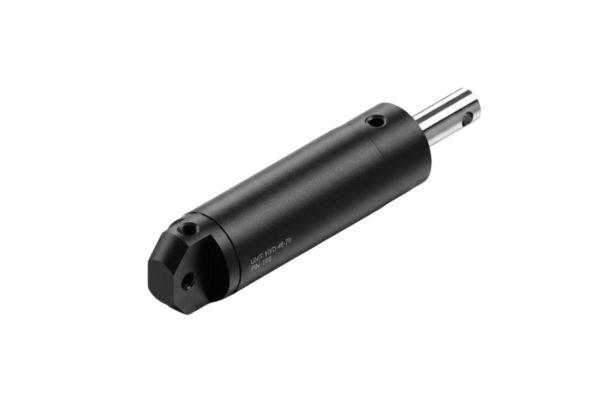
Spout Rotation Cylinder
When response is not smooth, discharge direction becomes inaccurate. A responsive cylinder helps control crop flow more precisely during unloading.
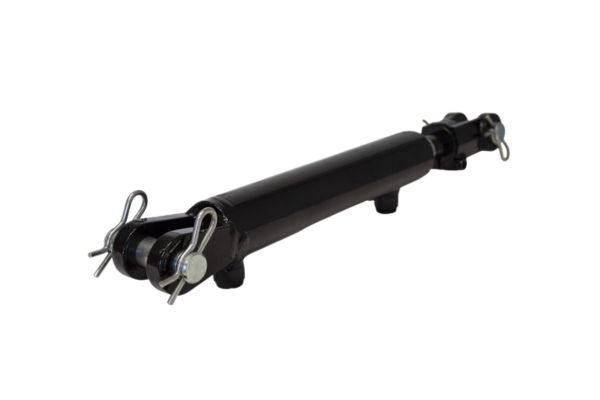
Discharge Deflector Cylinder
Short-stroke cylinders often face sealing and stability issues. A better-controlled deflector cylinder keeps angle adjustment smoother and more repeatable.
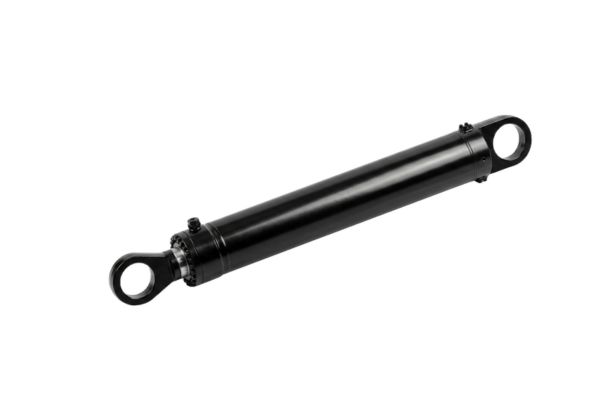
Floating Pressure Cylinder
Unstable float action leads to uneven feeding. A well-designed cylinder helps keep pressure balanced and improves feeding consistency.
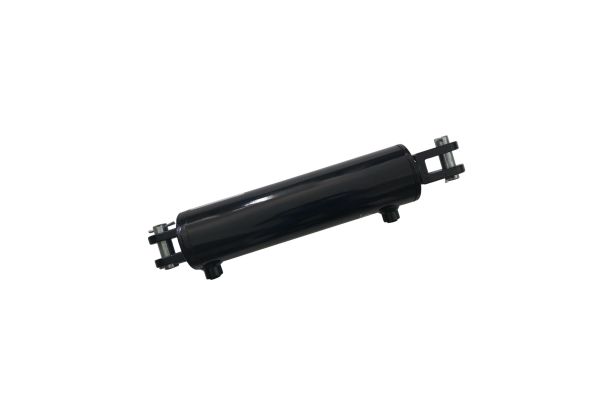
Gap Adjustment Cylinder
Processing gap affects final crop quality. A cylinder with stable positioning helps maintain correct clearance under changing loads.
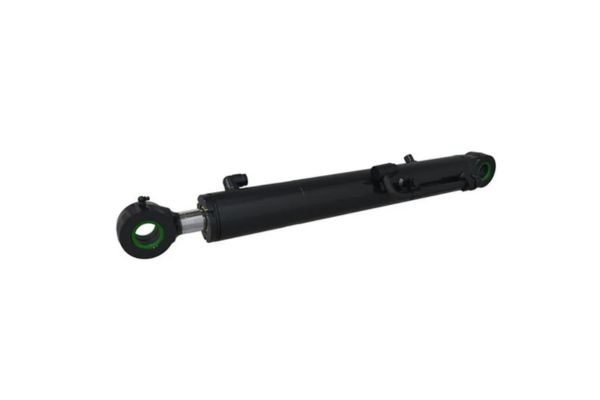
Towbar Transport Cylinder
This position often fails under impact load. A stronger structure helps reduce damage during switching between field and transport modes.
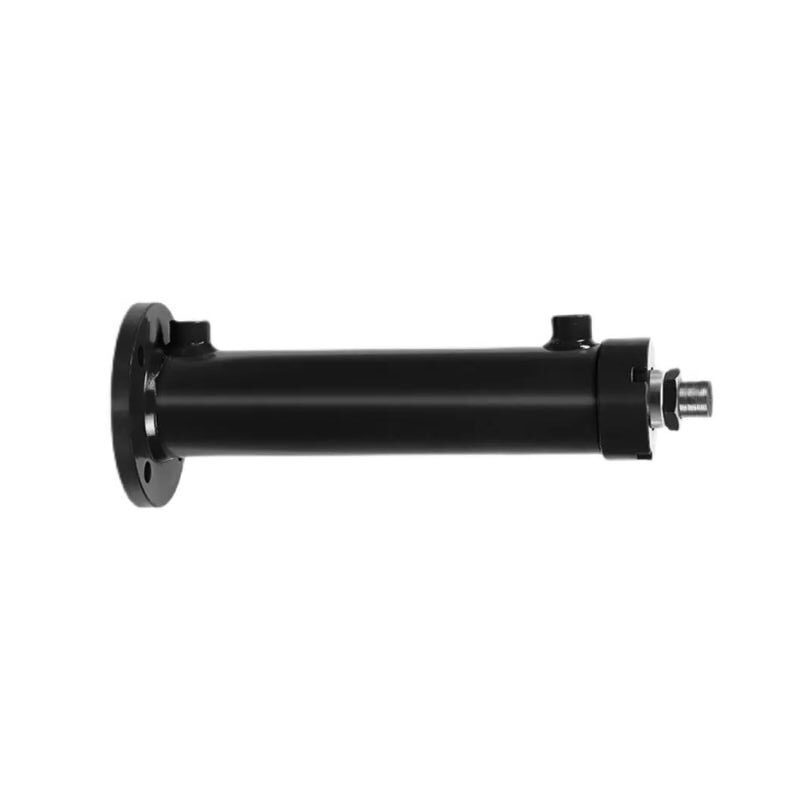
Rear Mounted Cylinder
Compact installation areas require controlled movement. A stable cylinder helps improve connection and release actions without misalignment.

Bridge Lift Cylinder
In linkage areas, instability can affect overall machine movement. A stronger and more stable lift cylinder improves control and durability.
Machine Types by Structure
The most useful way to classify this market is by machine structure. Different machine layouts change cylinder quantity, motion complexity, and the priorities you should check before production.
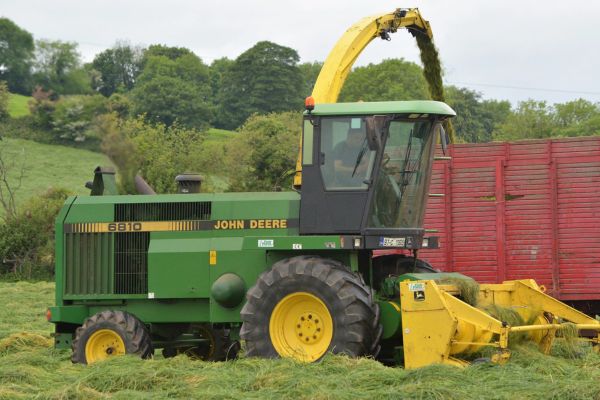
Self-Propelled Forage Harvester
More cylinder positions and more coordinated actions give you higher working efficiency and better crop flow control.
- Common cylinder quantity: high
- Action complexity: high
- Priority: dimensional accuracy and motion consistency
- Typical focus: header lift, spout control, processor adjustment
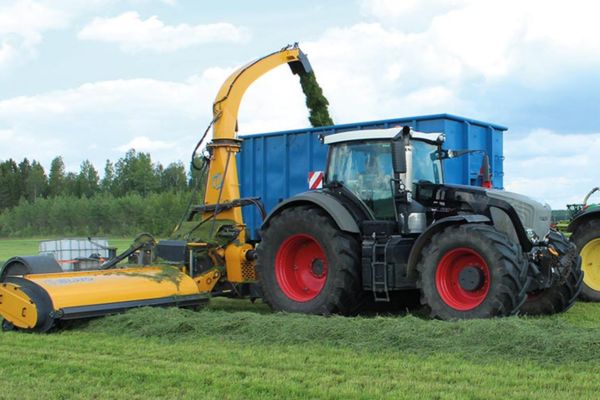
Trailed Forage Harvester
Field-to-transport switching and towing structure put more attention on holding force, shock load, and tongue control stability.
- Common cylinder quantity: medium
- Action complexity: medium
- Priority: load holding and shock resistance
- Typical focus: tongue position, flap, rear connection
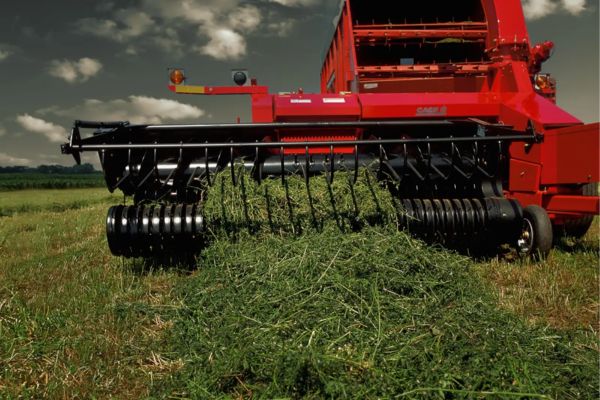
Mounted Forage Harvester
Compact structure means you need better space matching, stable seal performance, and reliable support in limited install positions.
- Common cylinder quantity: low to medium
- Action complexity: medium
- Priority: compact design and easy fitment
- Typical focus: small control cylinders and lift points
Best-Selling Cylinder Positions
In real projects, most discussions start from these positions because they directly affect machine operation and replacement difficulty. Buyers usually focus on fit accuracy, working stability, and whether the cylinder can handle actual field conditions.
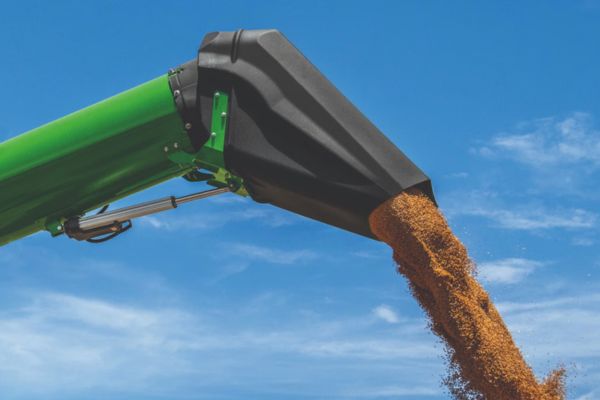
Spout Control Cylinder
In many cases, unstable response causes inaccurate discharge and constant operator correction. A well-matched cylinder helps keep direction control smoother and more predictable during unloading.
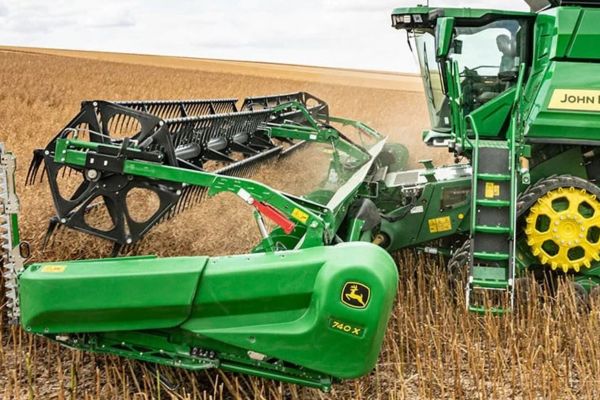
Header Lift Cylinder
Height instability and slow drift are common complaints in rough fields. A cylinder with better holding performance helps keep working height consistent across repeated lifting cycles.
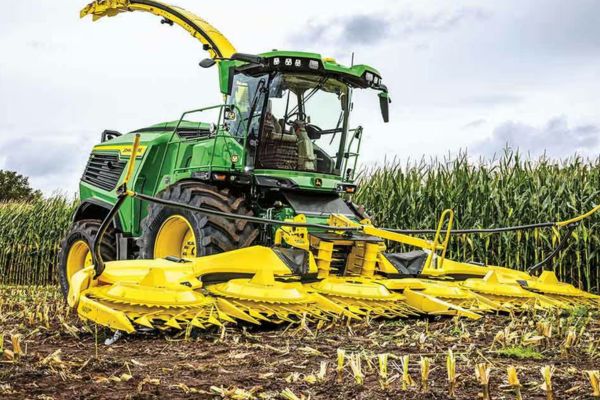
Tongue Position Cylinder
This position often faces strong impact during field and transport switching. A stronger structure and correct mounting help reduce cracking and misalignment problems.
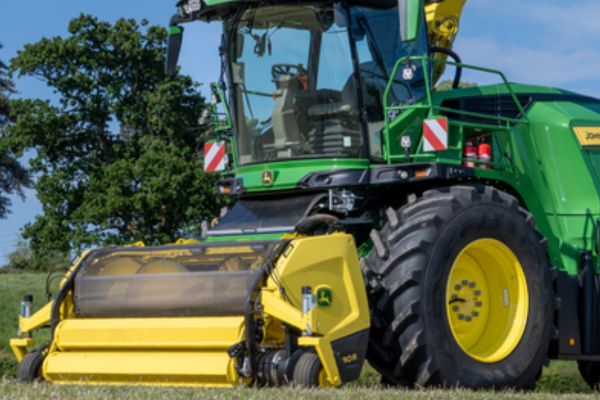
Feed Roll Float / Processor Cylinder
Unstable movement or poor sealing can affect feeding performance. A cylinder that responds evenly under contamination helps keep operation smoother and more controlled.
Common Problems You Want to Avoid
You do not lose time because of one simple defect. You lose time because poor fit, weak sealing, unstable response, and shock damage keep affecting the machine during the busiest season.
Cylinder Slowly Drifts Under Load
Position loss creates cutting inconsistency, transport instability, and extra operator correction.
Rod Gets Scratched in Muddy Conditions
Rod damage speeds up seal wear and turns a small field issue into a leakage complaint.
Spout Control Becomes Inaccurate
Poor response makes discharge direction less precise and reduces unloading efficiency.
Feed Roll Pressure Turns Unstable
Unstable float or pressure changes feeding consistency and affects crop handling performance.
Welded Eyes Crack Under Shock Load
Impact during switching or rough field movement leads to structural risk and downtime.
Small Cylinders Fail Too Early
Compact positions often fail sooner when seal design, guide support, or machining consistency is weak.
Key Engineering Requirements
In real projects, most problems do not come from price. They come from wrong size, weak structure, or unstable performance after installation. These are the points experienced buyers usually focus on before placing an order.
Accurate Installation Size
Many replacement issues start from small dimension differences. Pin centers, mounting width, and port position must match the machine, otherwise installation becomes rework.
Shock Load Resistance
Field work and transport switching create repeated impact. If structure or welding is not strong enough, cracks and deformation will appear after short use.
Corrosion Resistance
Water, fertilizer, and silage create a harsh environment. Without proper rod treatment and coating, corrosion quickly damages the sealing surface.
Stable Holding Performance
Position drift often leads to customer complaints. Good sealing and internal fit help the cylinder hold position under load without slow movement.
Spare Parts Availability
In real use, maintenance always comes later. When seal kits and parts are easy to match, repair work becomes faster and downtime is easier to control.
Stable Lead Time
Delays often happen during peak season. Clear production planning and stable supply help you avoid waiting when machines are needed in the field.
Replacement Matching Guide
You can avoid the most expensive replacement mistake by checking the fit before production starts. During harvest season, reworking holes or changing brackets is usually not acceptable, so matching data matters more than broad product claims.
- Pin-to-pin length
- Stroke length
- Bore size
- Rod diameter
- Mount width
- Pin hole size
- Port thread and port direction
- Installation angle and space limit

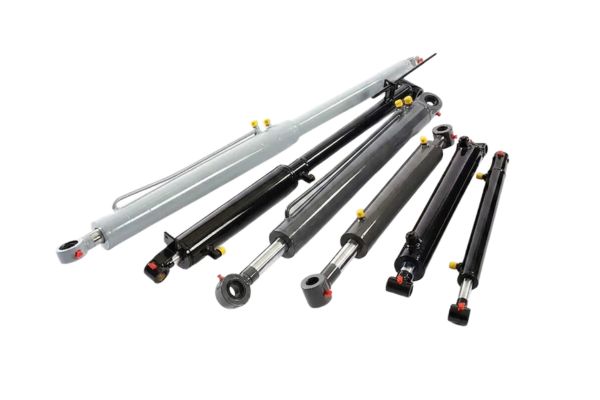
OEM & Custom Development
You start faster when the quotation process is clear. Instead of exchanging broad descriptions, you can send the key data below and get a more accurate review of fit, design, and production feasibility.
To get a quote, send us:
- Drawing or old sample
- Cylinder position on the machine
- Bore, rod, and stroke
- Mounting style
- Port thread and direction
- Working pressure
- Quantity and project stage
- Special coating or seal request
Key Engineering Requirements
In real projects, most problems do not come from price. They come from wrong size, weak structure, or unstable performance after installation. These are the points experienced buyers usually focus on before placing an order.
Accurate Installation Size
Many replacement issues start from small dimension differences. Pin centers, mounting width, and port position must match the machine, otherwise installation becomes rework.
Shock Load Resistance
Field work and transport switching create repeated impact. If structure or welding is not strong enough, cracks and deformation will appear after short use.
Corrosion Resistance
Water, fertilizer, and silage create a harsh environment. Without proper rod treatment and coating, corrosion quickly damages the sealing surface.
Stable Holding Performance
Position drift often leads to customer complaints. Good sealing and internal fit help the cylinder hold position under load without slow movement.
Spare Parts Availability
In real use, maintenance always comes later. When seal kits and parts are easy to match, repair work becomes faster and downtime is easier to control.
Stable Lead Time
Delays often happen during peak season. Clear production planning and stable supply help you avoid waiting when machines are needed in the field.
Manufacturing Process
A hydraulic cylinder works well only when every production step is controlled in the right order. From material cutting to final testing, this process helps keep dimensions stable, sealing reliable, and batch quality easier to repeat.

Material Cutting and Preparation
The process starts with cylinder tube, rod, end parts, and other key materials. These parts are prepared and cut to the required size, creating the base for the machining and assembly steps that follow.

Tube and Rod Machining
After preparation, the main metal parts move into machining. The tube, rod, threads, grooves, and connection areas are processed to match the required dimensions, surface finish, and fit accuracy.

Welding and Structure Formation
For welded hydraulic cylinders, mounting parts and structural components are joined at this stage. Fixture control helps keep the assembly position accurate and supports better overall cylinder alignment.
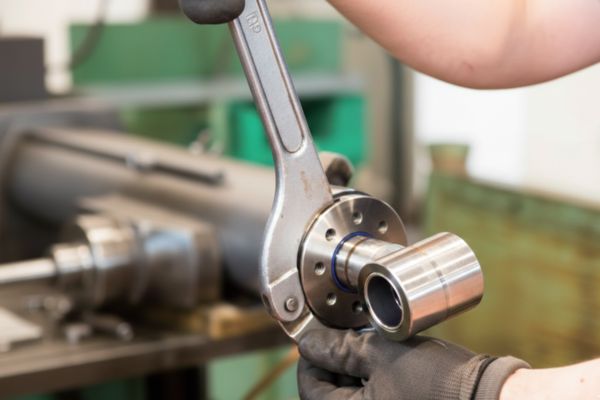
Seal and Component Assembly
Once the main parts are ready, seals, pistons, glands, rods, and other internal components are assembled together. This step directly affects movement smoothness, leakage control, and working performance.

Testing and Inspection
Before packing, the finished cylinder goes through inspection and pressure testing. This stage helps confirm sealing condition, basic performance, and whether the product meets shipment requirements.

Packing and Shipment
After testing is completed, the cylinders are cleaned, protected, labeled, and packed for delivery. Proper packing helps protect the rod surface and keeps the product safer during transport and storage.
Quality Control
These four inspections help confirm material quality, surface finish, dimensional accuracy, and pressure sealing before the cylinder moves to shipment.

Material Inspection
This test checks whether the raw material meets the required standard before machining and assembly start.
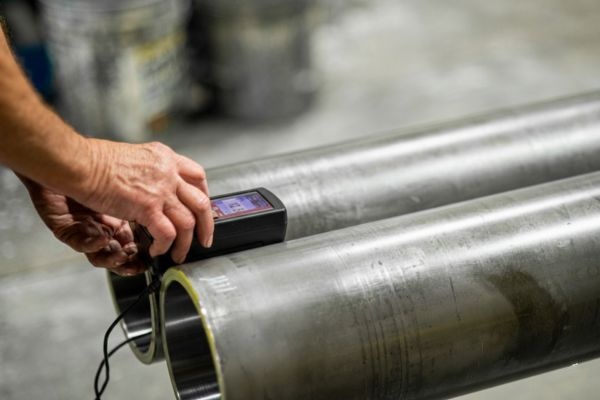
Roughness Inspection
This inspection measures rod and bore surface finish to help support smoother movement and better sealing contact.
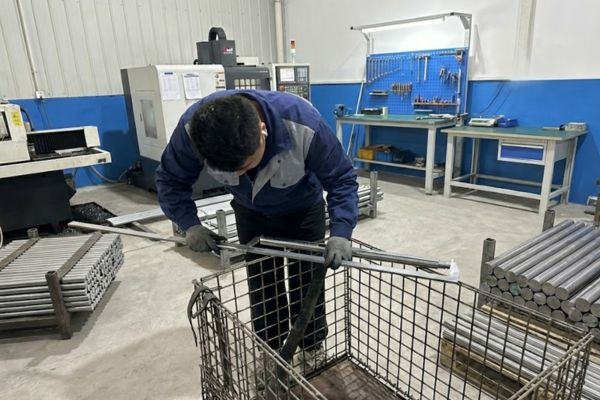
Dimension Inspection
This check confirms key sizes such as stroke, pin hole, mount width, and thread dimensions before final assembly.
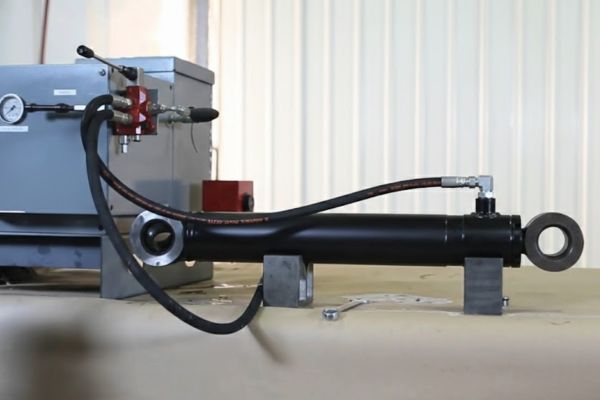
Pressure / Leakage Test
This test checks sealing performance under pressure and helps identify leakage before the cylinder leaves the factory.
Why Choose Topa
Topa is built for buyers who need clear communication, stable quality, and dependable supply. These six points show how we support your project from drawing review to repeat orders.
OEM and Replacement Supply
Topa supports both new machine development and replacement demand, so you can handle custom projects and aftermarket orders with one supplier.
Fast Drawing Review
Topa checks key dimensions, mounting details, and port layouts early, which helps you reduce matching mistakes before production starts.
Stable Batch Quality
Topa keeps dimensions, sealing quality, and production control more consistent, which makes your repeat orders easier to manage.
Reliable Delivery Planning
Topa pays attention to lead time control and shipment planning, helping you prepare for urgent demand and peak-season orders with less pressure.
Spare Parts Support
Topa can discuss seal kits and service parts together with your cylinder order, making future maintenance and replacement work more convenient.
Direct Technical Communication
Topa gives you faster answers on application details, fit risks, and order questions, so communication stays clear throughout the project.
Customer Cases
Real cooperation usually starts with a machine problem, not with a perfect drawing. These three examples show how Topa helped customers reduce fit risk, keep projects moving, and support repeat supply without exposing sensitive project details.
A Seasonal Replacement Project with Very Little Time to Wait
One customer came to us during the working season after a worn cylinder started affecting machine use in the field. The main concern was simple: get the replacement matched quickly and avoid ordering a part that would not fit once it arrived.
- Started from old cylinder photos and basic machine dimensions
- Checked the main mounting and stroke details before production
- Reduced the risk of installation delay during urgent replacement

A Compact OEM Design That Needed Better Motion Control
Another project came from a customer developing a new machine layout where cylinder space was limited and movement accuracy mattered. They did not want a standard catalog product. They needed a design that matched the real working path and stayed practical for production.
- Reviewed the application around movement direction and installation space
- Adjusted key custom details around stroke, ports, and mounting style
- Helped move the project from concept review toward manufacturable drawings
A Repeat Order That Needed More Than Just Price Stability
In one repeat supply case, the buyer was not only comparing quotations. What really mattered was whether each batch would stay consistent enough for assembly, field use, and seasonal purchasing plans. That is where supply control became just as important as the cylinder itself.
- Focused on stable structure and holding performance across batches
- Paid attention to consistency for smoother repeat installation
- Supported shipment planning around the customer’s seasonal demand cycle
FAQ
You can move faster when key questions about forage harvester cylinder selection, replacement, and performance are answered clearly before ordering.
You should confirm pin-to-pin length, stroke, bore size, rod diameter, mounting type, mount width, pin hole size, and port thread type. These details help avoid fit errors and rework.
Drift usually comes from internal leakage, seal wear, or poor machining fit. In header lift and tongue cylinders, this directly affects machine stability and working accuracy.
Spout control cylinders, header lift cylinders, and tongue position cylinders usually fail more often because they face frequent movement, vibration, and outdoor exposure.
Wet silage, mud, and crop debris can scratch the rod surface. Poor chrome quality or weak wiper seals make this worse and lead to early seal failure.
You can, but it may require hose changes or adapters. It is better to match port thread and direction to avoid installation problems and leakage risks.
You can improve service life by using better rod plating, stronger wiper seals, proper cleaning after work, and choosing cylinders designed for outdoor agricultural conditions.
Yes. OEM cylinders focus on machine integration and layout, while replacement cylinders focus more on compatibility, ease of installation, and matching existing systems.
Yes, if production control is stable. Consistency depends on machining accuracy, material control, and inspection process across all batches.
Send Your Forage Harvester Cylinder Inquiry
You can send your drawing, old sample, or old cylinder photos for a faster review. Topa supports both OEM development and replacement matching for forage harvester cylinder projects.
- Send machine type and cylinder position
- Confirm pin-to-pin length, stroke, and mount width
- Share rod size, bore size, port thread, and direction
- Discuss OEM projects, batch orders, or urgent replacement needs
- Tell us about corrosion, shock, or seasonal delivery requirements
Work Directly with a Cylinder Factory
You can send your forage harvester cylinder requirements and get a clearer review of fit, working condition, and production support before placing the order.
- Factory pricing with OEM and replacement support
- Custom bore, stroke, mount, and port review
- Fast feedback on drawings, samples, and dimensions
- Pressure and leakage testing before shipment
- Stable batch production for repeat orders
- Technical support for forage harvester applications
Send Your Cylinder Requirements
Share your machine type, cylinder position, and key dimensions. We will reply with a matching suggestion and quotation.