
Tractors
Tractors often require top link cylinders, steering cylinders, lift cylinders, and implement adjustment cylinders. These cylinders help control attachments such as plows, mowers, seeders, and loaders during field work.


Topa supplies hydraulic cylinders for tractors, harvesters, sprayers, balers, loaders, and other agricultural machinery. We support both standard replacement cylinders and custom cylinder production for buyers who need accurate fit, stable performance, and reliable field use.
Agricultural machines use hydraulic cylinders for lifting, steering, folding, tilting, opening, and positioning. Topa helps buyers match the right cylinder design to the machine type, working load, mounting space, and replacement requirements.
Tractors often require top link cylinders, steering cylinders, lift cylinders, and implement adjustment cylinders. These cylinders help control attachments such as plows, mowers, seeders, and loaders during field work.
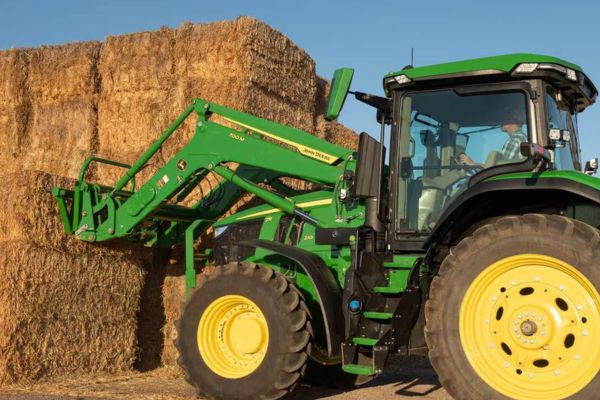
Front loaders rely on boom cylinders, bucket cylinders, tilt cylinders, and steering support cylinders. These cylinders work under lifting force, impact load, and repeated movement during loading, grading, and material handling.

Balers use tailgate cylinders, pickup lift cylinders, density control cylinders, and tension cylinders. These cylinders must handle frequent open-close cycles, pressure changes, dust, crop residue, and harvest-season workloads.

Harvesters use header lift cylinders, reel lift cylinders, unloading auger cylinders, and platform cylinders. These cylinders often work in limited installation spaces and need stable movement during long operating hours.
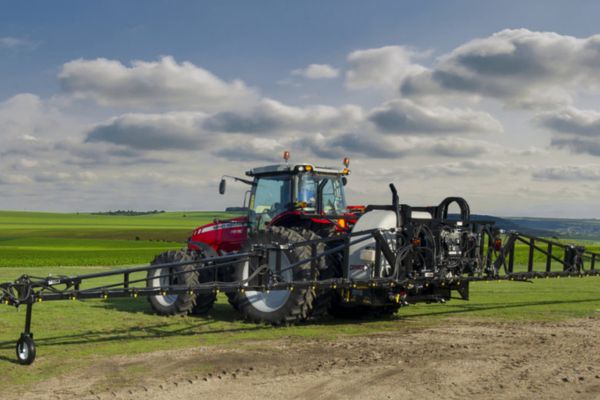
Sprayers need boom lift cylinders, folding cylinders, height control cylinders, and steering cylinders. These cylinders must support smooth boom movement and stable working height across uneven field conditions.

Seeders and planters use marker cylinders, folding cylinders, row unit lift cylinders, and depth adjustment cylinders. These cylinders help control implement position, row spacing, transport folding, and planting depth.
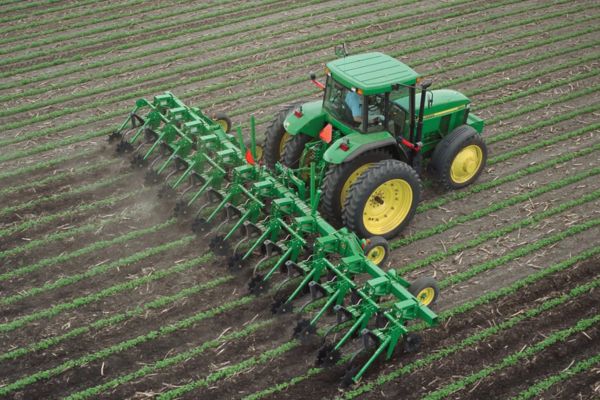
Tillage equipment uses lift cylinders, angle cylinders, folding cylinders, and depth control cylinders. These cylinders face soil resistance, vibration, side load, and repeated field adjustment during daily operation.

Agricultural trailers use tipping cylinders, tailgate cylinders, drawbar cylinders, and support cylinders. These cylinders are used for lifting, unloading, locking, and trailer positioning in transport and farm handling tasks.
Each agricultural machine uses hydraulic cylinders for a specific working action, such as lifting, folding, steering, tilting, locking, or unloading. This table helps buyers connect the equipment function with the correct cylinder type, so they can prepare clearer inquiries and reduce replacement mistakes before ordering.
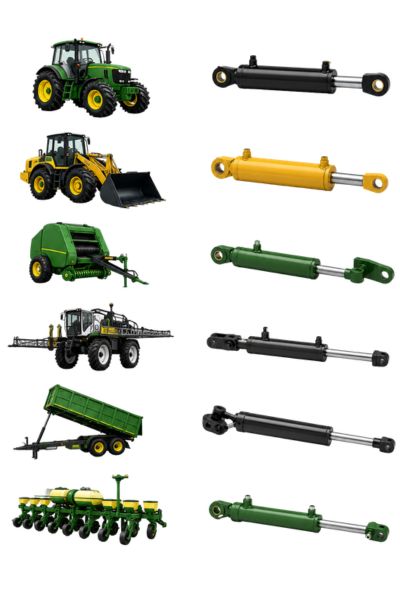
| Equipment | Cylinder Type | Main Function | Ordering Value |
|---|---|---|---|
| Tractor | Top Link Cylinder | Adjusts the working angle of rear implements such as plows, mowers, and blades. | Helps buyers confirm stroke, mounting size, and end connection before replacement. |
| Front Loader | Boom Cylinder / Tilt Cylinder | Lifts the loader arm and controls the bucket angle during loading and grading work. | Supports better matching for lifting force, rod size, tube strength, and port layout. |
| Baler | Tailgate Cylinder | Opens, closes, and locks the tailgate during bale release and chamber operation. | Reduces wrong-fit risk by checking pin size, mounting width, stroke, and seal requirements. |
| Sprayer | Boom Folding Cylinder | Folds and unfolds the spray boom for transport, storage, and field operation. | Helps match cylinder movement, corrosion resistance, and installation space for outdoor use. |
| Agricultural Trailer | Tipping Cylinder | Lifts the trailer body for unloading grain, soil, feed, fertilizer, and other materials. | Guides buyers to confirm lifting capacity, extended length, closed length, and mounting style. |
| Planter | Marker Cylinder / Folding Cylinder | Controls marker arms, frame folding, row positioning, and transport movement. | Improves inquiry accuracy by confirming stroke control, mounting points, and working pressure. |
Agricultural machines use different hydraulic cylinders for lifting, tilting, steering, folding, extending, tailgate control, hitch adjustment, and unloading. This classification helps buyers match the cylinder type with the machine function before sending drawings, photos, or replacement measurements.

Used to raise farm implements, loader arms, harvester headers, spray booms, and other working parts that need stable lifting force.
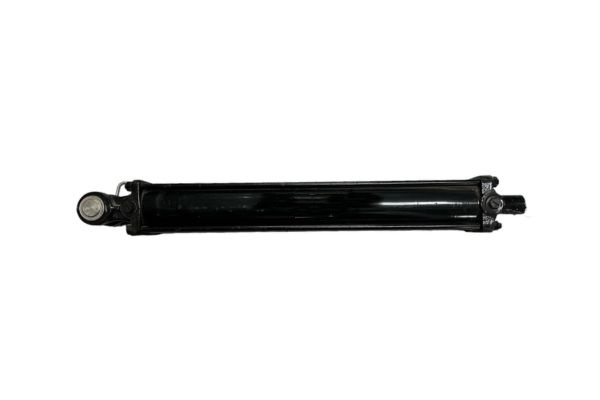
Used to control the angle of buckets, blades, attachments, and rear implements during loading, grading, and field adjustment.

Used for steering control on tractors, harvesters, loaders, and other agricultural machines that need reliable directional movement.
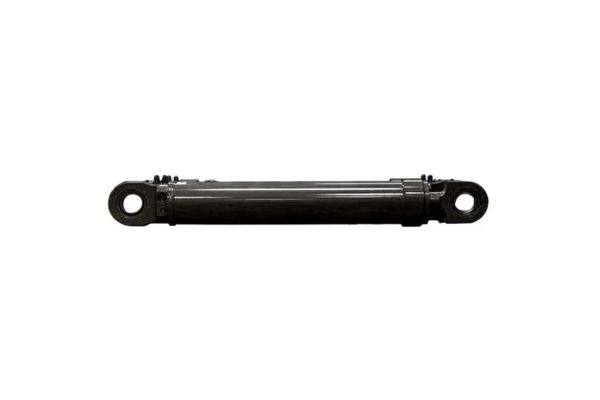
Used to fold and unfold spray booms, planter frames, mower arms, seeders, and wide farm equipment for transport or storage.

Used on agricultural trailers, grain carts, feed wagons, and unloading equipment where long stroke is needed in limited space.

Used to open, close, and lock tailgates on balers, agricultural trailers, feed wagons, and other farm handling equipment.

Used on tractor three-point hitch systems to adjust the angle, height, and side position of rear-mounted implements.

Used for unloading agricultural trailers, grain trucks, feed carts, and material handling equipment that needs strong lifting force.
Agricultural hydraulic cylinders often work in harsh outdoor environments. Mud, dust, rain, fertilizer, crop residue, vibration, and seasonal peak loads can all affect cylinder life. Topa reviews the real working conditions before recommending cylinder structure, seal design, rod treatment, and mounting details.
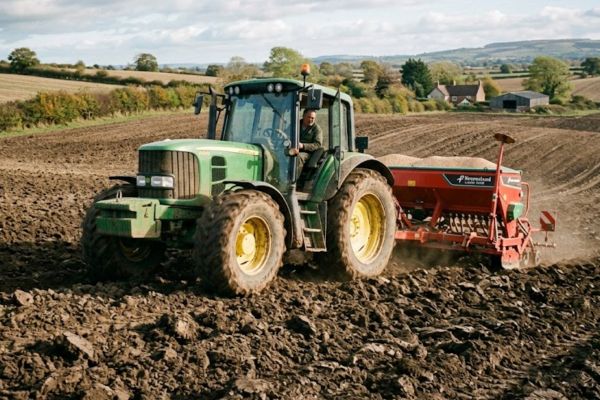
Farm equipment often works close to soil, crop residue, and dry dust. These particles can enter the rod area and wear the seals during repeated cylinder movement.
Agricultural cylinders are exposed to rain, humidity, fertilizer, chemicals, and long outdoor storage. If the rod surface or coating is not suitable, rust can damage the seal and cause leakage.
Uneven ground, heavy implements, lifting impact, and repeated working cycles can create shock load on the cylinder body, rod, welds, and mounting ends.
Many replacement problems come from small dimension errors. A wrong stroke, closed length, pin hole size, mounting width, or port position can stop installation after delivery.
Agricultural hydraulic cylinders must fit correctly, move smoothly, and hold pressure under real field conditions. Topa checks key dimensions, assembly quality, pressure performance, stroke movement, surface finish, ports, threads, and packing before shipment. This helps buyers reduce installation problems, leakage complaints, and after-sales repair costs.
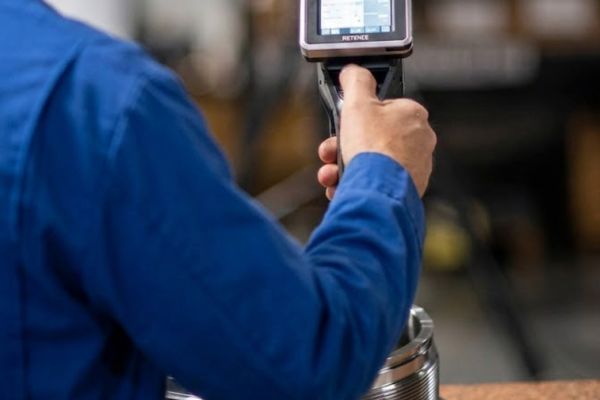
Before assembly and shipment, Topa checks the main cylinder dimensions, including bore size, rod diameter, stroke length, closed length, extended length, mounting width, pin hole size, and port position.
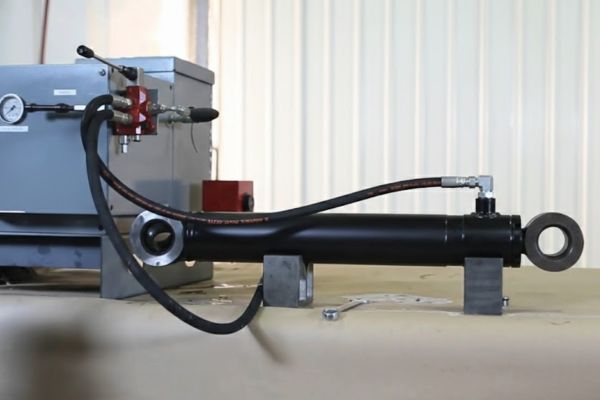
Each cylinder is tested to check pressure holding, sealing performance, and leakage control before delivery. This step is especially useful for cylinders used on loaders, balers, trailers, sprayers, and other machines that work under heavy load.

Topa checks cylinder extension and retraction to confirm smooth movement, correct stroke, stable response, and proper assembly. This test helps identify issues such as tight movement, uneven travel, abnormal noise, or incorrect stroke length.

Before packing, Topa checks the cylinder surface, rod finish, weld area, paint condition, ports, threads, fittings, labels, and protective packaging. This helps reduce damage, missing details, and receiving problems after shipment.
The material and surface treatment of an agricultural hydraulic cylinder directly affect its service life in the field. Topa helps buyers choose suitable tube, rod, seal, mounting, and coating options based on pressure, weather exposure, soil contact, chemical exposure, and storage conditions.

The honed tube provides a smooth and accurate inner surface for piston and seal movement. A better tube surface helps reduce internal wear, supports stable sealing, and improves cylinder movement during repeated field operation.
The chrome-plated rod helps improve surface hardness, wear resistance, and corrosion protection. This is useful for cylinders exposed to rain, mud, fertilizer, crop residue, and long outdoor storage.
Topa can match seal materials such as NBR, PU, PTFE, and optional FKM based on hydraulic oil, temperature range, working pressure, and dust exposure. The right seal choice helps reduce leakage risk and supports more stable cylinder performance.
Surface finishes can include paint, zinc plating, black finish, or custom color. These options help protect the cylinder body, match customer brand requirements, and improve appearance for wholesale and OEM supply.
Not every buyer has a complete technical drawing for a replacement agricultural hydraulic cylinder. Topa can help confirm the cylinder by checking machine information, old cylinder photos, key measurements, port details, and working conditions. A clearer inquiry helps repair shops, distributors, and equipment owners receive a more accurate quotation and production lead time.
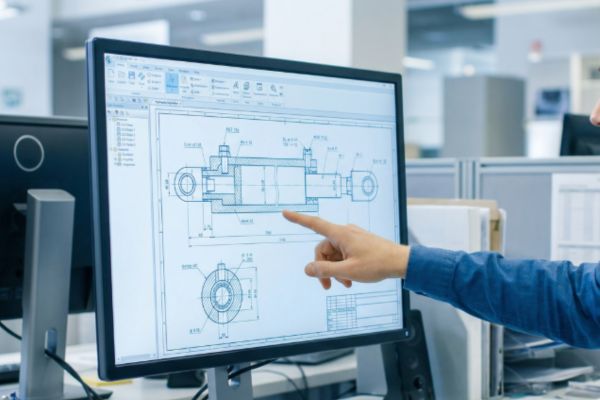
For replacement orders, small measurement differences can affect installation. Please send as much information as possible before quotation.
Agricultural equipment often works under heavy load, dust, mud, moisture, and long operating hours. These cases show common problems buyers face when replacing or customizing hydraulic cylinders for farm machinery.
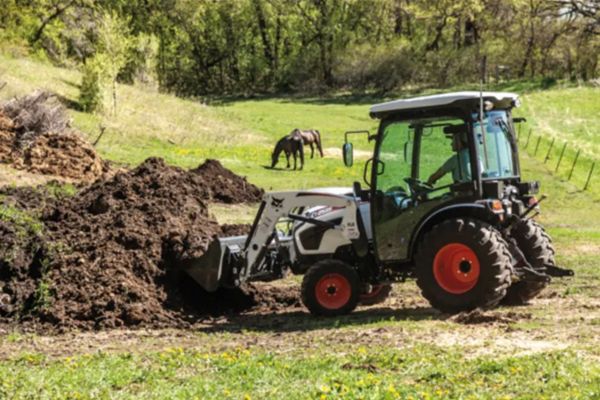
A farm repair shop needed replacement top link cylinders for older tractors. The original cylinders were no longer easy to source, and several previous replacements had different stroke lengths, causing poor implement angle control.
The customer could not rely only on the old part number. The mounting width, pin hole size, closed length, stroke, and port direction all needed to be checked before production.
Topa helped confirm the main dimensions from photos and measurement details, then supplied cylinders with matched mounting ends and suitable working pressure for field use.
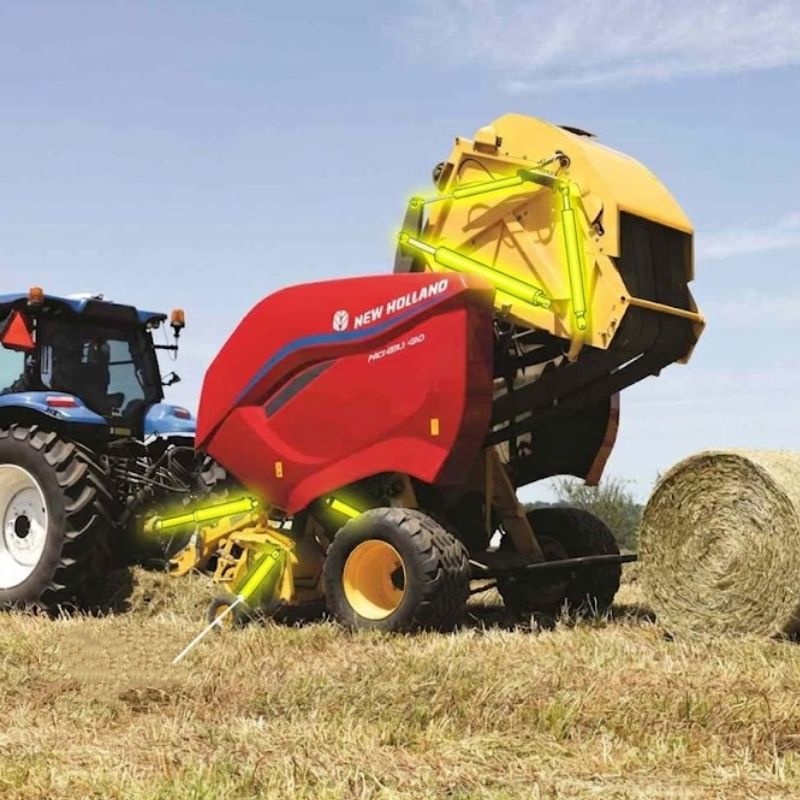
A maintenance company reported that baler tailgate cylinders started leaking after one harvest season. The machines worked around silage, dust, moisture, and frequent tailgate opening cycles.
The customer needed cylinders that could handle repeated movement and a dirty working environment. Standard seals and weak rod surface protection increased the risk of early leakage.
Topa reviewed the working conditions and suggested stronger sealing options, better rod surface treatment, and accurate port placement to reduce installation stress.
These questions cover common concerns from agricultural equipment owners, repair shops, distributors, and OEM buyers. They help buyers prepare the right cylinder details before asking for a quote.