
Why Do Tractor Steering Cylinder Rods Pit and Fail?
Your tractor steering cylinder rod pits early because of electrochemical corrosion triggered by moisture and environmental contaminants that breach the chrome plating. You might notice small, jagged craters forming on the smooth surface during a routine inspection. If you ignore these tiny spots, they act like sandpaper, shredding your internal seals and leading to expensive fluid leaks.
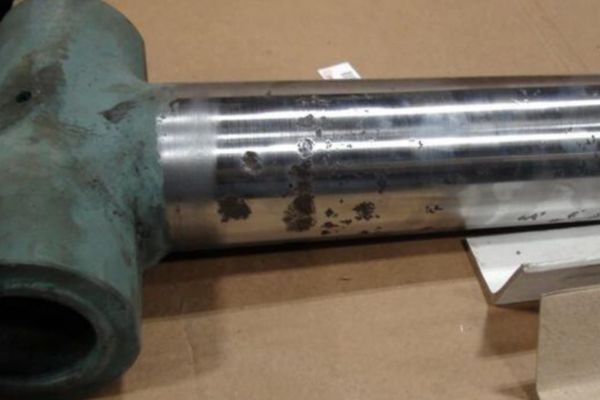
Why Does Your Tractor Steering Cylinder Rod Pit?
Pitting occurs on your tractor steering cylinder rod when the protective chromium layer is compromised, allowing oxidation to eat into the base steel. This process is usually accelerated by the harsh “splash zone” where steering components operate. You will see these localized cavities as the metal structurally degrades over time.
What Triggers Pitting Corrosion?
Corrosion often starts at microscopic imperfections in the rod’s surface or through mechanical nicks. When the steel underneath is exposed to oxygen and electrolytes, a galvanic cell forms.
- Mechanical scratches from flying debris.
- Exposure to high-salinity road runoff.
- Prolonged contact with acidic fertilizers.
| Cause | Impact on Rod | Severity | |
|---|---|---|---|
| Mechanical Nicks | Breaks chrome seal | High | |
| Chemical Contact | Dissolves plating | Medium | |
| Oxidation | Creates deep pits | Critical |
How Does Moisture Damage Your Tractor Steering Cylinder Rod?
Moisture damages your tractor steering cylinder rod by facilitating the movement of electrons between the metal and the atmosphere. You often find that condensation builds up on cold metal surfaces during temperature swings. This trapped water becomes a breeding ground for rust if the rod is not properly lubricated.
Why Is Humidity A Major Risk?
High humidity levels ensure that a thin film of water is almost always present on your machinery. You must realize that even invisible moisture can penetrate micro-cracks in the chrome.
- Morning dew accumulation.
- High-pressure washdown residue.
- Humid storage environments.
| Moisture Source | Pitting Risk | Prevention | |
|---|---|---|---|
| Condensation | High | Oil coating | |
| Pressure Wash | Very High | Proper drying | |
| Ambient Humidity | Medium | Climate control |
Can Chemical Exposure Pitting Your Tractor Steering Cylinder Rod?
Corrosive chemicals such as liquid fertilizers and pesticides quickly accelerate the pitting of your tractor steering cylinder rod. You likely operate in environments where these substances are unavoidable during the spraying season. These chemicals react with the metal surface to create aggressive pitting that bypasses standard corrosion resistance.
Which Chemicals Are Most Dangerous?
Nitrogen-based fertilizers and salt-based de-icing agents are particularly destructive to hydraulic components. You should always wash your equipment after contact with these substances.
- Urea-based liquid fertilizers.
- Potassium chloride runoff.
- Phosphatic dust from dry spreading.
| Chemical Type | Reaction Speed | Damage Type | |
|---|---|---|---|
| Fertilizers | Fast | Deep Pitting | |
| Road Salts | Immediate | Surface Rust | |
| Pesticides | Moderate | Coating Thinning |
Chemical reactions can create deep pits in a matter of days if the rod is left uncleaned after field use.
Removing chemical residues immediately after operation prevents permanent structural damage to your steering system.
Does Storage Affect Your Tractor Steering Cylinder Rod Health?
Improper storage of your tractor steering cylinder rod is a leading cause of “shelf-rust” and subsequent pitting. You might leave your tractor parked for months with the steering cylinders fully extended. This exposes the most sensitive part of the rod to the elements for long periods without movement.

How Should You Store Machinery?
The best practice is to store your equipment with the rods retracted to keep them bathed in hydraulic fluid. You can also apply a dedicated rust preventative if retraction is not possible.
- Retract rods into the cylinder housing.
- Store equipment in a dry, indoor shed.
- Apply a thick coat of grease to exposed metal.
| Storage Method | Protection Level | Maintenance Need | |
|---|---|---|---|
| Fully Retracted | Excellent | Low | |
| Greased/Extended | Good | Moderate | |
| Exposed/Outdoor | Poor | Very High |
Leaving rods extended in outdoor environments guarantees that moisture will eventually breach the protective chrome layer.
Using proper storage techniques saves you from needing a complete cylinder rebuild before the next season starts.
How Do Seals Damage A Pitted Tractor Steering Cylinder Rod?
Once your tractor steering cylinder rod has developed pits, the internal seals become the secondary victims of the damage. You will find that the sharp edges of the pits act like tiny knives as the rod moves back and forth. This abrasive action quickly destroys the rubber or polyurethane seal lips.
Why Do Seals Fail Faster?
Pitted surfaces carry contaminants past the wiper seal and into the main high-pressure seals. You will notice oil weeping from the rod end once the seal integrity is compromised.
- Pit edges shred seal material.
- Contaminants get trapped in the pits.
- Fluid bypasses the damaged seal lip.
| Damage Phase | Effect on Seal | Result | |
|---|---|---|---|
| Initial Pitting | Minor abrasion | Light weeping | |
| Advanced Pitting | Seal shredding | Major leak | |
| Surface Roughness | High friction | Heat buildup |
The interaction between a pitted rod and a soft seal creates a cycle of failure that cannot be stopped without a rod replacement.
Maintaining a smooth rod surface is the only way to ensure your hydraulic seals last for their intended service life.
Is Surface Hardness Key For A Tractor Steering Cylinder Rod?
Surface hardness is critical because it prevents the initial scratches that lead to pitting on your tractor steering cylinder rod. You need a rod that can withstand impacts from rocks and debris without chipping. If the surface is too soft, every minor bump becomes a site for future corrosion.
What Are The Hardness Standards?
Quality rods typically feature induction hardening before the chrome plating process. You should look for rods with a hardness rating of at least 65-70 HRC on the chrome surface.
- Induction hardening for impact resistance.
- Thick chrome plating for corrosion defense.
- Precision honing for smooth operation.
| Feature | Specification | Benefit | |
|---|---|---|---|
| Chrome Hardness | 65-70 HRC | Scratch resistance | |
| Plating Thickness | 0.001″ – 0.002″ | Corrosion barrier | |
| Surface Finish | Ra 0.2 – 0.4 µm | Low seal wear |
A harder surface prevents the microscopic breaches that allow moisture to reach the vulnerable steel core.
Investing in high-hardness components reduces the frequency of repairs caused by mechanical surface damage.
Why Does Fluid Quality Impact The Tractor Steering Cylinder Rod?
Contaminated hydraulic fluid can actually pit your tractor steering cylinder rod from the inside out. You might not realize that microscopic particles in the oil act as abrasives during high-pressure cycles. Over time, these particles “sandblast” the internal surfaces and rod edges.
How Does Oil Stay Clean?
You must follow a strict filter replacement schedule to keep abrasive particles out of your system. Water in the oil is also a major contributor to internal rod oxidation.
- Use high-quality ISO 4406 rated fluid.
- Replace hydraulic filters every 500 hours.
- Check for “milky” oil indicating water ingress.
| Fluid Issue | Impact on Rod | Prevention | |
|---|---|---|---|
| Particulate Matter | Internal abrasion | Better filtration | |
| Water Content | Internal rust | Seal inspection | |
| Acidic Oxidation | Chemical pitting | Oil changes |
Clean fluid ensures that the internal components of your steering cylinder remain as smooth as the external surfaces.
Regular fluid analysis and filtration maintenance prevent the hidden internal pitting that leads to total cylinder failure.
Can You Repair A Pitted Tractor Steering Cylinder Rod Safely?
Repairing a pitted tractor steering cylinder rod is only a temporary fix if the damage is deep. You can sometimes polish out very minor surface rust, but deep pits require more intensive work. If you try to sand down deep pits, you may create low spots that cause seal leakage anyway.

When Should You Replace?
If the pits are deep enough to catch a fingernail, replacement is usually the more cost-effective B2B decision. You risk damaging brand-new seals if you install them over a poorly repaired rod.
- Minor rust: Polishing might work.
- Deep pitting: Replacement is required.
- Bent rod: Immediate replacement needed.
| Damage Level | Repair Action | Success Rate | |
|---|---|---|---|
| Surface Bloom | Polishing | High | |
| Moderate Pits | Re-chroming | Medium | |
| Deep Cavities | Replacement | 100% |
Replacing a severely pitted rod is often cheaper than the labor costs associated with multiple failed repair attempts.
Choosing to replace a damaged rod ensures your steering system returns to original factory performance standards.
What Are Quality Specs For A Tractor Steering Cylinder Rod?
When purchasing a replacement, you should check the material specifications of the tractor steering cylinder rod. You want to ensure the steel grade and plating process are designed for heavy agricultural use. Cheap alternatives often use thin plating that pits within a single season of use.
What Should You Look For?
High-quality rods use C45 or 42CrMo steel with specialized salt spray ratings. You should demand documentation that proves the rod can withstand at least 96 hours of salt spray testing.
- ASTM B117 salt spray certification.
- High-strength steel substrate (C45/42CrMo).
- Dual-lip sealing compatibility.
| Quality Metric | Industry Standard | Requirement | |
|---|---|---|---|
| Salt Spray Rating | 96+ Hours | Corrosion resistance | |
| Steel Grade | 42CrMo | Yield strength | |
| Tolerance | f7 or g6 | Precision fit |
Adhering to these specifications guarantees that your replacement parts will outperform the original equipment under harsh conditions.
Buying components built to high technical standards eliminates the frustration of early part failure.
How To Maintain Your New Tractor Steering Cylinder Rod Daily?
Maintaining your tractor steering cylinder rod requires only a few minutes of attention each day. You should make it a habit to wipe down the rods after working in muddy or dusty fields. This simple act removes the abrasives that lead to pitting and seal failure.
What Is The Daily Routine?
A quick visual inspection and a wipe with a clean, oily rag can prevent most pitting issues. You should also look for signs of premature seal wear or oil leaks during your walk-around.
- Wipe rods clean of mud and dust.
- Inspect for new nicks or scratches.
- Check for leaks at the gland nut.
| Task | Frequency | Time Required | |
|---|---|---|---|
| Visual Check | Daily | 2 Minutes | |
| Cleaning | Post-Operation | 5 Minutes | |
| Greasing Mounts | Weekly | 10 Minutes |
Consistent daily care prevents the buildup of corrosive materials that eventually lead to deep surface pitting.
Dedicated daily maintenance is the most effective way to protect your investment and maximize equipment uptime.
Conclusion
Pitting doesn’t have to be the end of your tractor’s productivity. By understanding the chemical and mechanical triggers of corrosion, you can take proactive steps to protect your machinery. From proper storage and daily cleaning to selecting high-hardness replacement rods, every action you take adds hours to your equipment’s life.
At Topa, we are dedicated to providing the agricultural industry with the most durable hydraulic solutions available. Our mission is to eliminate the downtime that costs your business money by engineering cylinders that thrive in the toughest environments. Whether you need a custom build or a heavy-duty replacement, our team is ready to support your operations. Don’t let a pitted rod stall your progress— contact us today for a professional consultation and quote.
Frequently Asked Questions
Can I sand down the pits on my rod myself?
No, you should avoid aggressive sanding as it creates uneven surfaces. While light polishing can remove surface rust, sanding creates “low spots” that prevent seals from seating correctly, leading to immediate leaks.
What’s the best way to prevent rust during winter storage?
The best method is to store the tractor with the cylinder rods fully retracted into the housing. This keeps the metal submerged in protective hydraulic oil and away from the moisture in the air.
How do I know if my rod is too pitted to repair?
You can use the “fingernail test” to check pit depth. If your fingernail catches in the pit, it is deep enough to shred a hydraulic seal and the rod should be replaced or professionally re-chromed.
Can I use a tractor with a pitted steering rod?
You should avoid operating the tractor if pitting is evident. Continuing to use the cylinder will quickly destroy the internal seals, resulting in fluid loss and potentially dangerous steering failure.
What’s the best material for a replacement steering rod?
You should look for a rod made from induction-hardened C45 or 42CrMo steel with a high-quality chrome plating. Ensure it meets a 96-hour salt spray rating to withstand agricultural chemicals.