
What Makes a Tractor Steering Cylinder Leaks Early?
A tractor steering cylinder starts leaking primarily when the internal seals degrade due to friction, abrasive contamination, or extreme hydraulic pressure. When these barriers fail, fluid escapes past the rod or piston, leading to a loss of control.
You might notice a thin sheen of oil on the cylinder rod or a small puddle forming on the garage floor after a long day of work. If ignored, this minor drip can escalate into a total steering failure, putting your safety and your equipment at risk.
By understanding the root causes of wear and following proper maintenance protocols for your tractor steering cylinder , you can ensure your machinery remains responsive and reliable. Proactive care is the best way to avoid the high costs of emergency field repairs.

What Are Signs Of A Leaking Tractor Steering Cylinder?
You can identify a leak in your tractor steering cylinder by looking for visible hydraulic fluid trails or experiencing a noticeable decrease in steering precision. These symptoms often start small but worsen as internal components continue to deteriorate.
Identifying Visible Oil Trails
Wet spots or dark rings of grime around the gland and rod seal area are the most common indicators of an external leak. If you see oil dripping from the rod, the primary seal has likely been compromised by wear or debris.
- Oil accumulation on the front axle.
- Dust and dirt sticking heavily to the cylinder rod.
- Puddles of hydraulic fluid under the machine during storage.
Observing Loss Of Steering Precision
Internal leaks occur when fluid bypasses the piston seals, causing the tractor to “drift” or feel “soft” during operation. You may find yourself constantly correcting the steering wheel just to maintain a straight line in the field.
- A “spongy” feel when turning the wheel.
- The front wheels drifting slowly to one side.
- Increased physical effort required to execute sharp turns.
Regularly inspecting the rod surface and monitoring how the machine tracks during a straight run will help you catch seal failures before they cause an accident.
| Symptom | Probable Cause | Impact Level | |
|---|---|---|---|
| External Oil Drip | Rod Seal Failure | High (Fluid Loss) | |
| Steering Drift | Piston Bypass | Medium (Control Loss) | |
| Grime Build-up | Wiper Seal Wear | Low (Warning Sign) |
Why Does Your Tractor Steering Cylinder Fail Prematurely?
Premature failure of your tractor steering cylinder is typically triggered by abrasive contaminants or excessive heat that hardens the protective seals. These factors accelerate the natural wear process, leading to leaks long before the component’s expected lifespan ends.
Understanding Seal Wear And Friction
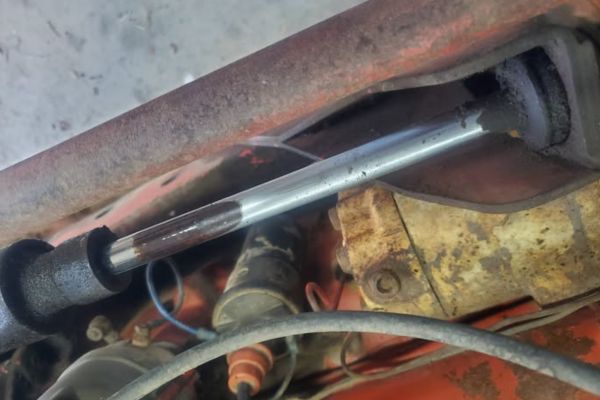
Every turn of the steering wheel causes the piston rod to slide against the polyurethane seals, creating microscopic wear with every cycle. Over time, this friction rounds off the sharp sealing lips that are necessary to hold back high-pressure oil.
You might not realize it.
- Thinning of the seal material.
- Rounding of the primary sealing lip.
- Heat-induced friction causing material transfer.
Impact Of Environmental Contaminants
Tractors operate in dusty, muddy, and gritty environments where abrasive particles constantly bombard the cylinder rod. If the wiper seal fails to deflect these particles, they enter the gland and act like sandpaper against the delicate internal seals.
- Abrasive grit embedding in the seal.
- Micro-scratches on the polished rod.
- Mud drying on the rod and tearing the wiper.
Effects Of Hydraulic Fluid Overheating
High operating temperatures can cause hydraulic fluid to break down and seals to lose their flexibility. Once a seal hardens and becomes brittle, it can no longer expand to fill the gaps, leading to immediate pressure loss.
- Seal hardening and “cooking.”
- Loss of elasticity in O-rings.
- Cracking under high-pressure spikes.
Maintaining clean oil and ensuring your cooling system is functional are the best ways to fight these premature failure points.
| Failure Driver | Primary Effect | Prevention Method | |
|---|---|---|---|
| Contamination | Scored Rods/Seals | Clean Rod Daily | |
| Overheating | Brittle Seals | Monitor Oil Temp | |
| High Cycles | Material Fatigue | Regular Inspection |
How Does A Wire Ring Tractor Steering Cylinder Function?
The wire ring tractor steering cylinder functions by using a simple internal steel ring to lock the head assembly into a machined groove inside the barrel. This design is compact and common on many modern agricultural machines because it eliminates the need for bulky external threads.
Recognizing The Wire Ring Retainer Style
You can identify this style by the absence of large nuts or bolts at the end of the cylinder barrel. Instead, the head appears to be tucked inside the tube, often with a small external ring visible in a notch.
- Smooth barrel exterior.
- Internal locking mechanism.
- Low-profile head design.
Removing The Internal Snap Ring
To access the internal components, you must push the head further into the tube to expose the wire ring. Once the groove is clear, you can pry the ring out, allowing the entire rod assembly to slide free.
- Pushing the head exposes the ring.
- Prying tools required for removal.
- No heavy wrenches needed for this step.
This design is highly effective for space-saving but requires specific steps to ensure you don’t damage the internal groove during disassembly.
| Component | Function | Material | |
|---|---|---|---|
| Head/Gland | Guides the rod | Steel or Cast Iron | |
| Wire Ring | Mechanical lock | Spring Steel | |
| Internal Groove | Retains the ring | Machined Barrel |
Mastering the removal of the wire ring is the first step in successfully servicing this specific cylinder type.
What Internal Damage Affects A Tractor Steering Cylinder?
Internal damage typically consists of physical scratches on the rod, pitting inside the barrel, or burrs in the seal grooves. Any of these defects will cause your new seals to fail almost immediately after you put the machine back to work.
Checking For Scored Piston Rods
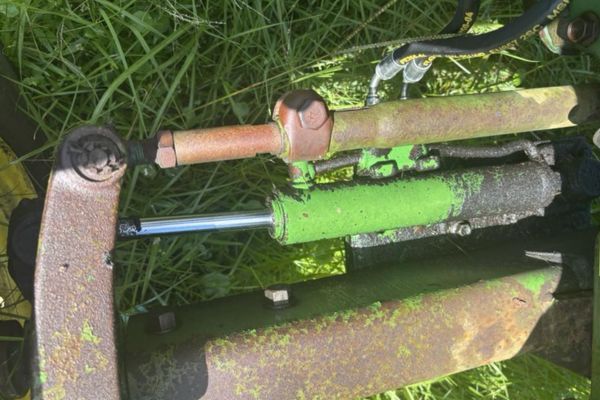
You should run your fingernail across the chrome surface of the rod to feel for any nicks or vertical scratches. Even a tiny burr acts like a knife, cutting the new rod seal every time the cylinder cycles.
- Flaking of the chrome plating.
- Deep gouges from external impact.
- Rough spots indicating corrosion.
Inspecting The Inner Barrel Bore
Use a flashlight to look deep into the cylinder tube for any signs of “washout” paths or pitting. If the internal surface isn’t perfectly smooth, the piston seals cannot create the pressure needed to turn the wheels.
- Pitting from old, water-laden oil.
- Scoring from broken internal parts.
- Uneven wear at the stroke limits.
Assessing Seal Groove Integrity
You must inspect the metal grooves where the seals sit to ensure they haven’t been deformed by high-pressure spikes. Burrs or sharp edges left over from manufacturing or previous repairs can pinch and tear a new seal during installation.
The bottom line is.
- Sharp edges in the gland.
- Residual old seal material.
- Crushed or widened grooves.
If you find significant damage to the rod or barrel, simple seal replacement won’t be enough; the metal components will need honing or replacement.
| Damage Type | Visual Cue | Repair Solution | |
|---|---|---|---|
| Rod Scoring | Vertical Lines | Rod Replacement | |
| Barrel Pitting | Dark Spots/Rust | Honing or New Tube | |
| Groove Burrs | Sharp Metal Edges | Polishing/Deburring |
Meticulous inspection of all internal surfaces is what separates a temporary fix from a professional rebuild.
How To Replace Seals In A Tractor Steering Cylinder?
Replacing the seals in your tractor steering cylinder involves removing the old, hardened material and installing a matching kit of new polyurethane and rubber components. Using the correct tools and sizing ensures a leak-free fit that can withstand high hydraulic pressures.
Removing Old Polyurethane Seals
You should use a plastic or brass pick to pry the old seals out of their grooves without scratching the metal. Hardened seals may require a bit of heat or a careful snip with a side cutter, but you must never use a screwdriver that could gouge the gland.
- Non-marring picks only.
- Check for hidden backup rings.
- Clean all residue from the grooves.
Sizing New Backup Rings And O-Rings
Always compare your new seals to the old ones and the machined grooves before you start the installation. Even if the kit is labeled correctly, measuring the rod and bore diameter with a caliper is the best way to verify the fit.
- Match the seal cross-section.
- Check for O-ring stretch.
- Ensure backup rings are correctly oriented.
Correct seal installation requires patience and the right environment to keep every component free of dust and lint.
| Seal Type | Main Material | Primary Goal | |
|---|---|---|---|
| Rod Seal | Polyurethane | Prevent External Leaks | |
| Piston Seal | PTFE/Rubber | Maintain Turning Power | |
| Wiper Seal | Hard Plastic | Exclude Contaminants |
How To Rebuild A Tractor Steering Cylinder Correctly?
Rebuilding your cylinder correctly requires you to lubricate every part and use gentle techniques to compress the seals as they enter the tube. A “dry” assembly is one of the most common reasons why new steering cylinders leak shortly after repair.
Lubricating Parts Before Installation
You must coat all seals, the rod, and the internal bore with clean hydraulic oil before you begin putting it back together. This lubrication prevents the seals from sticking and tearing during the initial assembly and the first few cycles of the machine.
- Use the same oil that runs in the tractor.
- Avoid using heavy grease.
- Ensure the rod is completely coated.
Inserting The Rod Into The Barrel
When you push the piston back into the tube, use a slight rocking motion to help the seals compress and enter the bore. Never force the assembly with a heavy hammer, as this will almost certainly pinch and ruin the new seals.
- Angle the piston into the bore.
- Use seal compressors if available.
- Listen for the “pop” as the head seats.
Reinstalling The Head Or Wire Ring
Finally, you must secure the head by reinstalling the wire ring or tightening the threaded gland to the manufacturer’s specified torque. If you are using a threaded style, don’t forget to tighten the set screw to prevent the head from backing out under vibration.
- Ensure the wire ring is fully seated.
- Torque threaded heads to spec.
- Check port alignment before final lock.
A careful reassembly process protects your investment in new parts and ensures the tractor is ready for the field.
| Step | Technique | Critical Check | |
|---|---|---|---|
| Lube | Full Coverage | Use Clean Oil Only | |
| Insertion | Gentle Rocking | No Pinched Seals | |
| Locking | Torque to Spec | Check Set Screws |
Conclusion
Repairing and protecting your tractor’s steering system doesn’t have to be overwhelming. By identifying signs like oil trails early, understanding the impact of heat and dirt, and following a precise rebuild process—from cleaning to lubrication—you can maintain total control of your machine. Our mission is to empower equipment owners with the components and knowledge they need to maximize uptime and operational safety. If you need expert advice or high-quality replacement parts, contact us today and let our engineering team help you find the perfect hydraulic solution.
FAQ
Can I repair a steering cylinder while it’s still on the tractor?
It is not recommended. You need a clean, stable environment like a workbench and a vise to properly disassemble and clean the internal components without introducing more dirt into the system.
What’s the best seal material for high-heat environments?
Polyurethane is standard, but if your tractor runs consistently hot, look for Viton or high-temp fluorocarbon seals. These materials maintain their flexibility and sealing power at temperatures where standard rubber would become brittle.
How do I know if my cylinder barrel is ruined?
If you see deep vertical grooves that you can feel with your fingernail or large areas of rust pitting, the barrel is likely compromised. In these cases, even new seals will leak almost immediately because they cannot bridge those gaps.
Why do my new seals leak immediately after a rebuild?
This is usually caused by “dry starts” or pinching the seals during installation. If you didn’t use enough lubrication or forced the piston into the barrel, you likely tore the new seal lip during reassembly.
How often should I check the steering cylinder for leaks?
You should perform a quick visual check every 50 operating hours or during your weekly grease routine. Catching a “sweating” seal early is much better than discovering a major leak in the middle of a busy harvest.