
How to Select Bore and Stroke for Agricultural Hydraulic Cylinders?
To select the bore and stroke for agricultural hydraulic cylinders, you must calculate the required force for the bore diameter and the necessary travel distance for the stroke based on your machine’s mechanical range. If you choose the wrong dimensions, your equipment may fail to lift heavy loads or sustain mechanical damage due to over-extension. This leads to costly downtime and frequent repairs that drain your farm’s resources and patience. Fortunately, understanding a few basic engineering principles ensures you select the perfect stroke for agricultural hydraulic cylinders every time you upgrade or repair your equipment.
Why Is Bore Diameter Critical For Lifting Force?
Bore diameter determines the total internal surface area that hydraulic oil acts upon to create lifting or pushing force. When you are looking for the right storke, you must first ensure the bore is large enough to handle the primary workload of the machine.
What defines the cylinder bore?
Let’s get to the basics. You need to understand that the bore is the internal diameter of the cylinder tube. This space is where the piston moves back and forth under pressure to create mechanical energy.
- Measure only the internal diameter.
- Exclude the thickness of the outer steel shell.
- Use precision calipers for an accurate reading.
How do you calculate required force?
Here is the simple math. You calculate the area by squaring the radius and multiplying by pi, then multiplying that by your system’s PSI. This tells you exactly how many pounds of force your equipment can generate at peak pressure.
| Bore Size | Surface Area | Typical Force at 3000 PSI | |
|---|---|---|---|
| 2.0″ | 3.14 sq in | 9,420 lbs | |
| 3.0″ | 7.07 sq in | 21,210 lbs | |
| 4.0″ | 12.57 sq in | 37,710 lbs |
Larger bore sizes dramatically increase the lifting capacity of your tractor or implement without needing higher pressure.
Choosing a bore size that provides a 20% safety margin above your heaviest expected load ensures long-term reliability and prevents the hydraulic system from overheating during intense labor.
How Does Stroke Length Affect Equipment Reach?
Stroke length defines the total distance the piston rod travels from its fully retracted position to its fully extended state. Identifying the correct stroke prevents your equipment from stopping short of its target or over-extending into other mechanical components.
Why is retracted length important?
You might be wondering. You must measure the distance between the center of the mounting pins when the cylinder is completely closed. This “pin-to-pin” measurement is critical to ensuring the cylinder actually fits within the machine’s steel frame.
- Measure pin-to-pin retracted length.
- Measure pin-to-pin extended length.
- Calculate the difference for the stroke.
Can the stroke be too long?
Look at the risks. You run a serious risk of bending the piston rod if the stroke is excessively long without proper external support. A stroke that is too long might also cause the implement to strike the ground or the tractor chassis during operation.
| Stroke Length | Application Example | Risk of Rod Flex | |
|---|---|---|---|
| 8 Inches | Three-point hitch | Low | |
| 24 Inches | Loader bucket | Medium | |
| 48 Inches | Folding wing | High |
Accurate stroke measurement ensures that the mechanical movement remains within the designed safety limits of your specific agricultural implement.
Matching the stroke to the physical limits of your machine’s pivot points is the best way to avoid structural damage during high-speed field operations.
Which Cylinder Type Suits Your Application Best?
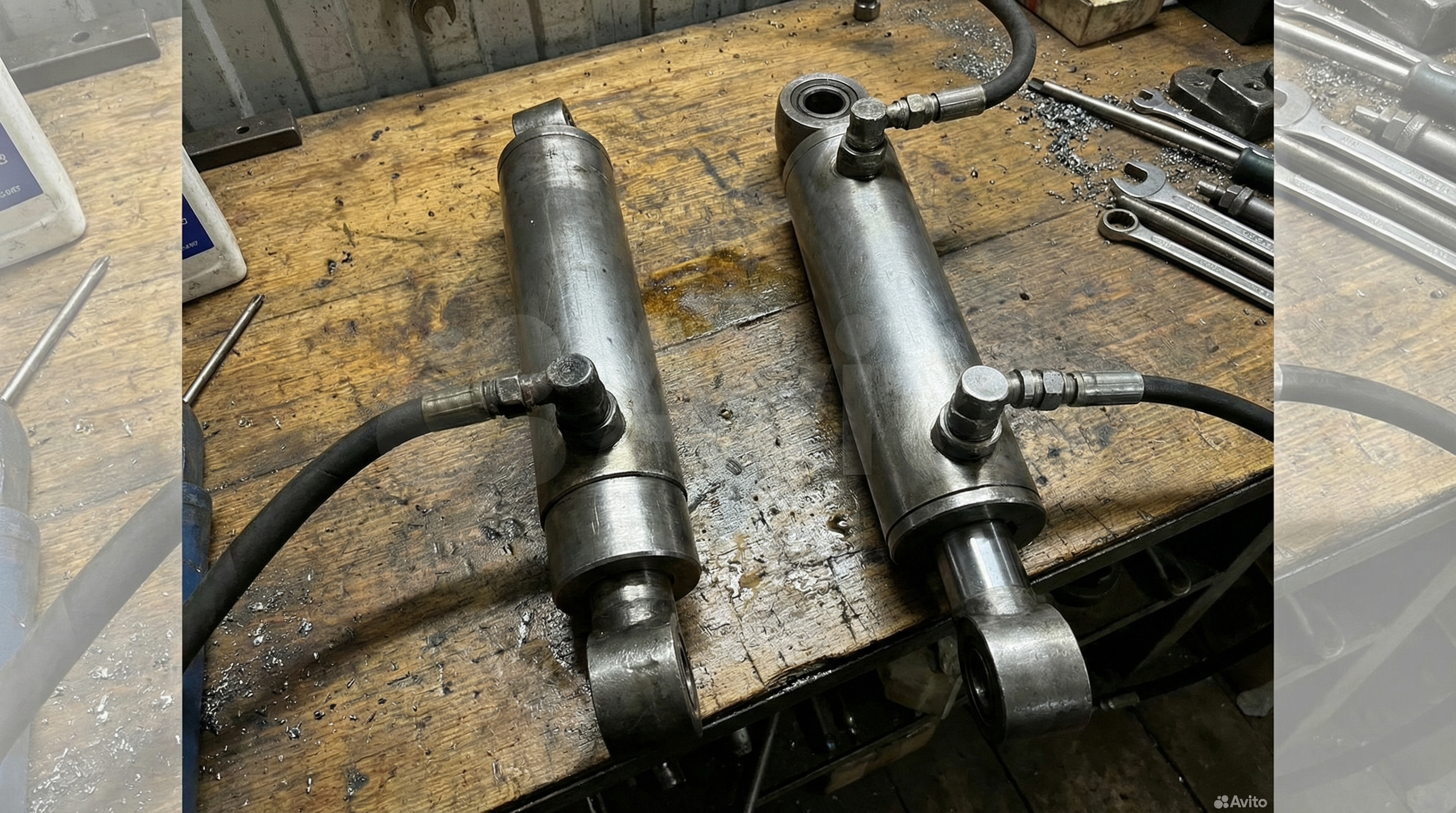
Choosing between tie-rod and welded cylinders depends on the pressure requirements and space constraints of your farm equipment. Selecting the right stroke often leads you toward welded designs for modern, heavy-duty tasks that demand higher durability.
What are the benefits of tie-rod cylinders?
Think about this. You will find that tie-rod cylinders are very easy to disassemble and repair even when you are out in the field. They use high-strength threaded bolts to hold the end caps in place, which is a common standard for many older tractor implements.
- Easier to service on-site.
- Highly standardized replacement parts.
- Cost-effective for lighter agricultural duties.
Why choose welded cylinders instead?
Here is the truth. You should opt for welded cylinders when you need a more compact design or significantly higher pressure ratings. Because they lack bulky rods on the outside, they fit into tighter spaces and handle rugged, vibrating environments much better.
| Feature | Tie-Rod Cylinder | Welded Cylinder | |
|---|---|---|---|
| Durability | Moderate | High | |
| Repairability | Easy | Moderate | |
| Pressure Rating | Up to 2500 PSI | 3000+ PSI |
Welded cylinders provide superior performance and a longer lifespan in demanding applications like modern front-end loaders.
High-pressure systems benefit from the rigid construction of welded cylinders, which reduces the chance of seal leaks under heavy vibration and side-loading.
Where Do You Mount Agricultural Cylinders?
Most agricultural cylinders are mounted at the base and the rod end using clevis, pin, or tang mounts to allow for rotational movement. The mounting style directly influences how much stroke you can actually utilize without causing dangerous side-loading forces.

What is a clevis mount?
Let’s dive deeper. You will see clevis mounts on the majority of farm implements because they are simple and allow the cylinder to pivot freely. This movement is essential as the implement moves through its natural arc of travel during lifting or folding.
- Features a dual-ear design.
- Utilizes a single hardened pin.
- Allows for smooth pivoting action.
Does mounting affect the stroke?
Believe it or not. You must account for the physical space the mounts take up when you are calculating your total available pin-to-pin length. If the mounts are too bulky or poorly positioned, they might limit the effective travel distance of the piston rod.
| Mount Type | Best Use Case | Movement Allowed | |
|---|---|---|---|
| Clevis | General Purpose | Single Axis | |
| Tang | Tight Spaces | Single Axis | |
| Spherical | Heavy Load | Multi-Axis |
Selecting the right mount prevents side-loading, which is the leading cause of premature seal failure and rod bending in the field.
Matching the mount to the existing pins on your tractor ensures a secure fit and smooth operation throughout the entire range of motion.
Can Calculation Tools Simplify The Selection?
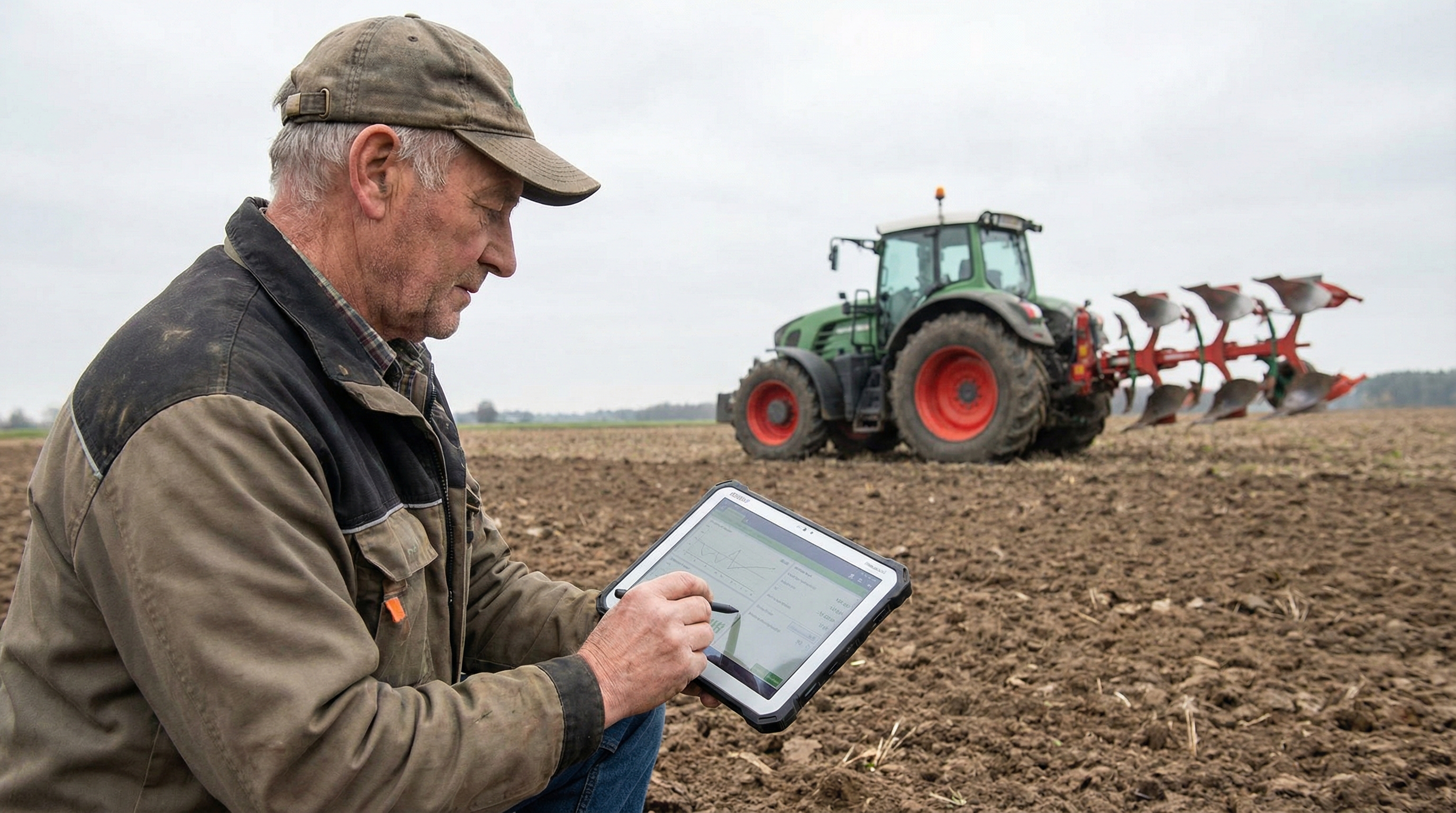
Digital tools and online calculators allow you to input pressure and load variables to determine the exact bore and stroke needed for your specific task. Using these resources ensures the stroke is perfectly matched to your machine’s hydraulic pump output and mechanical leverage.
Why use a force calculator?
In essence. You can avoid the guesswork of manual engineering by using a dedicated hydraulic calculator on your phone or tablet. It allows you to instantly see how changes in pressure or bore size will impact your total lifting power.
- Prevents under-sizing your equipment.
- Saves valuable engineering and planning time.
- Provides instant results in the field.
What data do you need?
Look. You need to know your pump’s maximum pressure in PSI and the exact weight of the load you intend to lift. Knowing the geometry of the lift arm also helps in determining the necessary travel distance for the rod.
| Input Variable | Unit of Measure | Importance | |
|---|---|---|---|
| System Pressure | PSI | Critical | |
| Desired Load | Lbs | Critical | |
| Pump Flow | GPM | High |
Inputting accurate data into a digital calculator prevents costly mistakes that could lead to equipment failure during a busy harvest season.
Modern digital tools bridge the gap between complex engineering formulas and practical field applications for farmers who need reliable results quickly.
Is System Pressure The Deciding Factor?
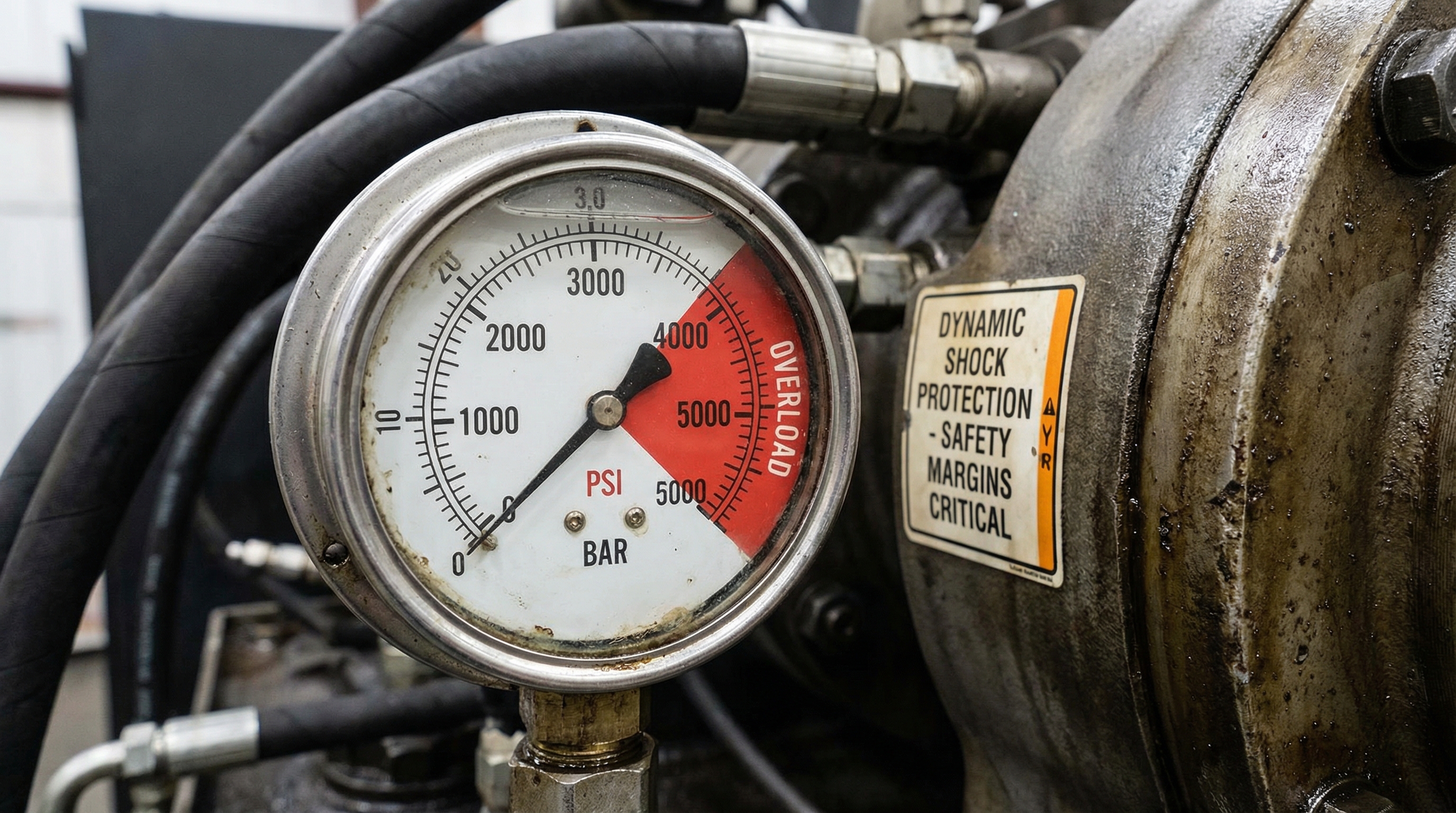
System pressure dictates how much force a specific bore size can generate, making it a cornerstone of the selection process for any implement. If your tractor’s pressure is low, you will need a larger bore to achieve the same stroke performance as a high-pressure modern system.
How does pressure affect seals?
Here is the thing. You must ensure that the cylinder’s seal package is rated for your tractor’s maximum output pressure. Running a low-pressure cylinder on a high-pressure system will cause immediate internal leaks or catastrophic seal blowouts.
- Always check maximum PSI ratings.
- Inspect seals for heat damage.
- Use high-quality replacement seal kits.
What about pressure spikes?
Actually. You should consider that agricultural tasks often involve sudden shocks, such as hitting a rock, which can cause pressure to spike. Selecting a cylinder with a higher burst rating provides an extra layer of safety during these unpredictable moments.
| Pressure Type | Definition | Effect on Cylinder | |
|---|---|---|---|
| Working Pressure | Normal operation | Steady wear | |
| Peak Pressure | Sudden spikes | Potential damage | |
| Burst Pressure | Failure point | Complete destruction |
A well-matched pressure rating ensures that the cylinder remains durable even when hitting hidden obstacles in the soil.
Monitoring your system pressure with a mounted gauge helps you identify when a cylinder is struggling before a complete mechanical failure occurs.
When Do You Need Rephasing Cylinders?
Rephasing cylinders are necessary when you need multiple cylinders to move in perfect synchronization, such as on wide folding planters or tillage equipment. Maintaining the correct stroke in a series requires internal bypass ports that allow the units to reset at the end of each cycle.
How does rephasing work?
Wait, there’s more. You will find that these cylinders have a small passage that allows oil to flow past the piston when it is fully extended. This “rephases” the system, ensuring all cylinders start the next movement from the exact same position.
- Eliminates uneven hydraulic drift.
- Resets the system automatically.
- Improves field operation accuracy.
Why is synchronization vital?
Consider this. You need your equipment to stay level during operation to ensure even seed depth or consistent tilling across a wide area. Without rephasing, one side of the machine might lift higher than the other over time due to internal bypass leakage.
| Issue | Without Rephasing | With Rephasing | |
|---|---|---|---|
| Leveling | Uneven | Perfect | |
| Maintenance | Manual bleeding | Self-correcting | |
| Efficiency | Low | High |
Rephasing technology simplifies the operation of complex, wide-span machinery by automating the critical leveling process.
A rephasing system reduces the operator’s daily workload by preventing the need for frequent manual adjustments or bleeding in the field.
Why Does Clevis Design Matter For Pins?
The clevis design determines the size of the pin it can accept and the amount of lateral force the connection can withstand during heavy lifting. If the clevis is too weak, the stroke could cause the ears to bend or the pin to shear under heavy loads.
What are standard pin sizes?
You should know. You will typically encounter pin sizes ranging from 1 inch to 2 inches on most standard agricultural equipment. It is vital to match the cylinder’s clevis hole to your existing pins exactly to prevent rattling or premature wear.
- 1″ pins for light-duty tools.
- 1.25″ pins for mid-range tools.
- 2″ pins for heavy-duty loads.
How do you maintain the clevis?
Look. You must keep the pins and clevis ears well-greased to prevent friction from wearing down the metal surfaces. A worn clevis creates “slop” in the system, which reduces the precision of your machine’s movements and increases vibration.
| Maintenance Task | Frequency | Benefit | |
|---|---|---|---|
| Greasing | Daily | Lowers friction | |
| Inspection | Weekly | Finds cracks early | |
| Pin Replacement | As needed | Prevents failure |
Strong clevis ends and high-quality pins are the unsung heroes of a reliable hydraulic system on any modern farm.
Regular maintenance of the mounting points extends the life of the entire cylinder by ensuring a smooth pivoting action throughout the stroke.
How Do You Design For Custom Requirements?
Custom design involves working with engineers to specify unique bore, stroke, and mounting configurations for specialized agricultural machinery that standard parts cannot accommodate. When a stock solution fails, designing a custom stroke ensures your unique equipment performs exactly as intended in the field.
When is custom necessary?
The truth is. You might need a custom cylinder if your machine has non-standard mounting points or requires a very specific force-to-speed ratio for precision work. Customizing allows you to optimize every aspect of the hydraulic performance for your specific crop needs.
- Requirement for specialized mounts.
- Needs for non-standard stroke lengths.
- Inclusion of high-temperature seals.
What is the design process?
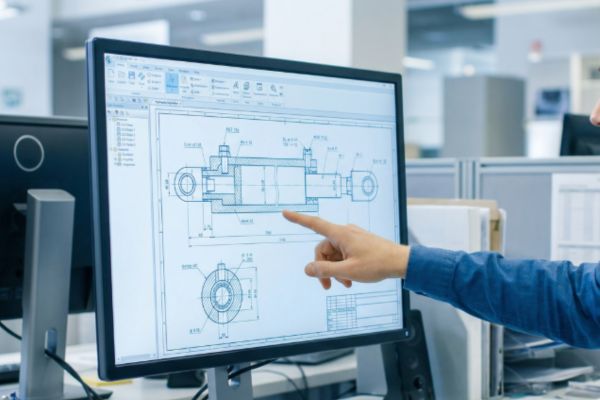
Here is how it goes. You will work with a technical team to create CAD drawings that reflect your specific needs and machine clearances. This process ensures that every dimension is checked for functionality before any manufacturing or assembly begins.
| Step | Action | Goal | |
|---|---|---|---|
| Consultation | Identify needs | Clear specs | |
| CAD Modeling | 3D design | Visual check | |
| Prototyping | First build | Field test |
Custom-engineered cylinders provide the perfect fit for innovative farm equipment that pushes the boundaries of standard factory designs.
Investing in a custom solution eliminates the need for awkward adapters or dangerous modifications to your machine’s structural frame.
What Is The Best Way To Ensure Quality?
Ensuring quality requires sourcing cylinders made from high-grade materials that have undergone rigorous pressure testing before they leave the factory floor. Quality control is the only way to guarantee the stroke will last through thousands of cycles in harsh field conditions.
What materials should you look for?
Think about it. You should insist on chromed rods and honed tubes to ensure the longest possible seal life and corrosion resistance. These materials reduce internal friction and prevent the build-up of heat that can degrade hydraulic oil over time.
- Hard-chromed piston rods.
- Honed steel internal tubing.
- High-grade polyurethane seals.
Why is testing important?
Actually. You deserve a product that has been tested at 100% of its rated pressure to ensure there are no hidden manufacturing defects. Testing reveals pinhole leaks or weak welds that could cause a dangerous failure during a busy harvest or planting season.
| Test Type | Purpose | Result | |
|---|---|---|---|
| Leak Test | Check seals | Zero oil loss | |
| Proof Test | Check strength | No deformation | |
| Cycle Test | Check longevity | Long service life |
Rigorous testing protocols separate professional-grade hydraulic cylinders from cheap, unreliable alternatives that fail under heavy pressure.
Choosing a high-quality cylinder means less time spent on frustrating repairs and more time focusing on your core farming operations.
Conclusion
Selecting the right bore and stroke is a balance of engineering physics and practical field application. By understanding how these dimensions affect force and travel, you can optimize your machinery for peak performance and long-term durability. Don’t let improper specifications hold back your farm’s productivity or cause unnecessary damage to your expensive implements. If you need expert guidance or specific components for your fleet, contact us today to discuss your requirements with our technical team.
FAQ
Can I use a larger bore than what was originally on my machine?
Yes, but you must ensure your hydraulic pump can handle the increased oil volume and that your machine frame can support the extra force generated.
What’s the best way to measure stroke on a broken cylinder?
Measure the total length of the cylinder barrel and then measure the rod length to find the total travel distance from retracted to extended.
Can I repair a cylinder with a bent rod?
No, a bent rod usually indicates a major structural failure and should be replaced entirely to prevent damaging the internal seals and tube.
What’s the best mounting style for a front-end loader?
Welded clevis mounts are typically the best choice because they are designed to handle the high vibration and stress of heavy loader work.
Can I use standard hydraulic fluid in all agricultural cylinders?
Yes, most agricultural cylinders are fully compatible with standard ISO 32 or 46 hydraulic oils commonly used in modern tractors.