
How Often Do Farm Hydraulic Cylinders Need Inspection?
You should inspect your agricultural hydraulic cylinder daily before operation and conduct a comprehensive review during every seasonal transition. Managing farm equipment during the height of harvest is stressful enough without the sudden failure of your lifting arms or steering systems. If you ignore minor leaks or worn hoses now, you risk catastrophic downtime when every hour in the field represents thousands of dollars in potential revenue. Implementing a proactive inspection routine ensures your machinery stays powerful and ready for the most demanding tasks of the season.
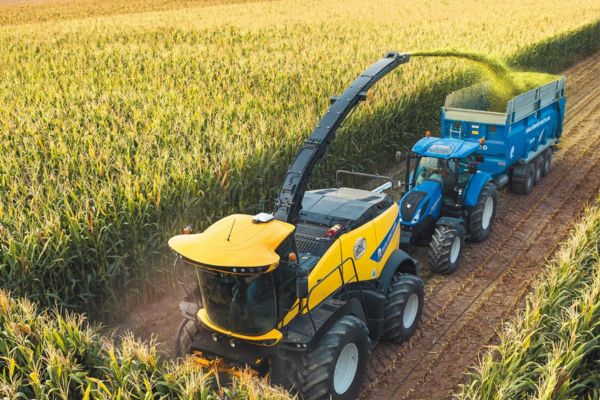
When To Inspect An Agricultural Hydraulic Cylinder?
You should perform a basic visual inspection every day before you start your machine and a detailed technical review at the start of every planting or harvesting season. Checking your agricultural hydraulic cylinder regularly prevents small issues from turning into expensive mid-field breakdowns.
Routine monitoring helps you identify external leaks or rod damage before they affect system pressure. By following a strict schedule, you preserve the integrity of your entire hydraulic system and keep your tractors running at peak capacity.
Are Seasonal Checkups Necessary?
Seasonal checkups are vital because they allow you to evaluate the system when the machine is under the most stress. Before you head out for heavy tillage or harvest, you need to ensure every component can handle the maximum rated load.
Here is why:
- Fluids can degrade during off-season storage.
- Temperature swings may have caused seals to shrink or crack.
- Small leaks might have developed while the equipment was idle.
Is Daily Walkaround Inspection Required?
A daily walkaround is your first line of defense against sudden failure during operation. You simply need to look for fresh fluid spots on the ground or around the rod and check for any obvious physical damage.
| Inspection Type | Frequency | Primary Goal | |
| Visual Walkaround | Daily | Spotting immediate leaks | |
| Seasonal Review | Twice Yearly | Ensuring deep component health | |
| Fluid Analysis | Yearly | Checking for internal contaminants |
Why Is Every Agricultural Hydraulic Cylinder Essential?
Every agricultural hydraulic cylinder is essential because it provides the controlled force required to lift heavy attachments, steer massive machinery, and manage down-pressure systems. Without a healthy agricultural hydraulic cylinder , your tractor or loader loses its primary functional capability.
These components reduce the mechanical strain on your machine’s frame and engine by using fluid power to handle massive weights. Maintaining them ensures that your attachments function predictably and safely throughout the long work day.
How Do Cylinders Manage Heavy Loads?
Cylinders convert hydraulic energy into linear motion, allowing you to move tons of soil or grain with minimal effort. This smooth power delivery protects the rest of the tractor from sudden jolts or mechanical shocks.
Consider this:
- High-pressure seals hold the load steady during transport.
- Precision rods ensure the attachment moves exactly where you want it.
- Robust mounting points transfer the force safely to the vehicle frame.
Can They Improve Machine Efficiency?
A well-maintained cylinder improves fuel efficiency by reducing the energy lost to internal leakage or friction. When your system operates at the correct pressure, the engine doesn’t have to work as hard to achieve the same lifting results.
| Component Role | Benefit | Impact | |
| Precision Seals | No Internal Leaks | Stable lifting power | |
| Hardened Rods | Low Friction | Faster cycle times | |
| Proper Ports | High Flow | Smooth attachment control |
Understanding the mechanical advantage provided by your hydraulics helps you appreciate why maintenance is so critical.
By keeping these components in top shape, you ensure that every drop of fuel is converted into useful work rather than wasted heat or lost pressure.
What Limits An Agricultural Hydraulic Cylinder Life?
Environmental exposure and internal contamination are the primary factors that limit the operational life of an agricultural hydraulic cylinder. Even the most durable designs will eventually fail if they are constantly subjected to abrasive dust or extreme temperature fluctuations without protection.
Understanding these limits allows you to take preventive measures, such as using protective boots or high-quality seals. Proactive care extends the time between overhauls and keeps your equipment in the field longer.
Does Extreme Weather Cause Damage?
Extreme heat can thin your hydraulic fluid, while freezing temperatures can make seals brittle and prone to cracking. Both ends of the temperature spectrum put immense stress on the internal components of your system.
The reason is simple:
- Heat causes metal components to expand and seals to soften.
- Cold weather thickens fluid, leading to pump cavitation.
- Moisture from humidity can cause internal rust on the rod.
How Does Contamination Shorten Life?
Contamination acts like liquid sandpaper inside your system, grinding away at polished surfaces and delicate seal lips. Even microscopic particles can cause enough damage to significantly reduce the lifting power of your machine.
| Contaminant | Source | Resulting Damage | |
| Fine Dust | Field Environment | Scratched rods and seals | |
| Water | Condensation | Rust and fluid oxidation | |
| Metal Chips | Component Wear | Valve and pump failure |
Identifying the specific threats in your working environment is the first step toward better equipment longevity.
You should always use clean containers for fluid and keep all breathers and filters clean to block these destructive particles from entering the system.
How To Spot Agricultural Hydraulic Cylinder Wear?
You can spot wear on an agricultural hydraulic cylinder by looking for physical imperfections like scratches on the rod or fluid residue around the seals. Regularly monitoring these physical signs allows you to catch minor wear before it causes a complete system failure.
In addition to visual cues, listen for unusual noises like whining or chattering during operation. These sounds often indicate that the internal components are struggling or that air has entered the hydraulic lines.

Are You Checking Rod For Scratches?
The piston rod should be smooth and shiny; any scratches, pitting, or rust can quickly shred your high-pressure seals. If you find deep gouges, it usually means that external debris has bypassed the wiper seal.
Look at this:
- Scratches allow fluid to bypass the primary seals.
- Pitting provides a place for rust to take hold.
- A bent rod will cause uneven wear on the cylinder barrel.
Should You Review Hoses And Fittings?
Hoses and fittings are often the weakest links in your hydraulic system and require frequent checking for bulges or cracks. A hose that is rubbing against the frame will eventually wear through and spray high-pressure fluid.
| Wear Sign | Part Affected | Action Required | |
| Fluid Wetness | Fittings / Ports | Tighten or replace seal | |
| Bulging | Hydraulic Hose | Immediate replacement | |
| Polished Metal | Hose Exterior | Reroute to prevent rubbing |
Recognizing these early warning signs can save you from a major cleanup and expensive repair bill later.
You should wipe down all connections during your inspection to confirm they stay dry and free from fresh oil spots.
Does Dirt Harm An Agricultural Hydraulic Cylinder?
Dirt is one of the most dangerous enemies of an agricultural hydraulic cylinder because it causes abrasive wear and clogs internal passages. If soil or grit enters the system, it can destroy your seals and score the internal walls of the cylinder barrel.
Keeping your equipment clean is not just about appearance; it is a critical part of mechanical maintenance. Dirt accumulation around the rod wiper can eventually force particles past the seal during the retraction stroke.
Can Dirt Cause Pump Cavitation?
If dirt clogs your filters, the pump may struggle to pull enough fluid, leading to a damaging condition called cavitation. This creates air bubbles that collapse with enough force to pit metal surfaces inside your pump and cylinders.
Think about it:
- Clogged breathers prevent proper fluid flow.
- Dirty filters increase system back-pressure.
- Vacuum pockets destroy internal pump components.
Does Internal Scoring Destroy Seals?
Once grit gets inside the cylinder, it creates long scratches or “scoring” on the barrel and rod surfaces. These scratches provide a path for fluid to leak past the seals, reducing the cylinder’s ability to hold a load.
| Problem | Cause | Prevention | |
| Scored Barrel | Internal Debris | Frequent filter changes | |
| Shredded Seals | Abrasive Grit | Clean rod wiper daily | |
| Valve Sticking | Silt Buildup | Regular fluid flushing |
Maintaining a clean operating environment is the most cost-effective way to protect your machinery.
You should always clean the area around fill caps and quick-couplers before opening the system to prevent accidental contamination.
Which Fluid For An Agricultural Hydraulic Cylinder?
You must use the manufacturer-recommended fluid for your agricultural hydraulic cylinder to ensure proper lubrication and temperature stability. Using the wrong fluid can lead to sluggish performance, overheated systems, and premature seal failure.
The correct fluid contains specific additives designed to prevent foaming, rust, and extreme pressure wear. Following the manufacturer’s specifications protects your warranty and ensures that all components work together as designed.
Does Viscosity Affect Performance?
Viscosity refers to the fluid’s thickness; if it is too thick, your system will be slow, and if it is too thin, it won’t protect moving parts. The right viscosity ensures that the fluid can flow through valves while still providing a protective film on metal surfaces.
The result:
- Faster cycle times in cold weather.
- Better protection during high-temperature operations.
- Consistent pressure throughout the working day.
Is Seal Compatibility A Major Concern?
Not all hydraulic fluids are compatible with every seal material, and using the wrong one can cause seals to swell or dissolve. You must verify that the fluid you choose is rated for the specific rubber or polyurethane compounds in your cylinders.
| Fluid Feature | Benefit | Importance | |
| Anti-Wear | Protects metal surfaces | Critical for pump life | |
| Defoamers | Prevents air pockets | Ensures smooth motion | |
| Rust Inhibitors | Stops internal corrosion | Extends storage life |
Selecting the right fluid is a simple decision that has a massive impact on your machine’s long-term health.
Always check your operator’s manual for the specific fluid grade required for your climate and machine type.
How To Check Agricultural Hydraulic Cylinder Seals?
Checking the seals on your agricultural hydraulic cylinder involves looking for external leaks at the rod end and monitoring for “drift” when the machine is under load. If your attachment slowly drops while the controls are in neutral, your internal piston seals are likely worn out.
Seals are wear items that naturally degrade over time due to friction and heat. Catching a failing seal early prevents fluid loss and keeps contaminants from entering the main hydraulic reservoir.

Is Fluid Leaking From The Rod?
A wet rod or a puddle of oil under the cylinder head is a clear sign that the rod seal has failed. This seal is responsible for keeping high-pressure fluid inside the cylinder while the rod is moving.
Imagine this:
- A small drip today can become a major leak tomorrow.
- Leaking fluid attracts dirt, which accelerates wear.
- Low fluid levels lead to overheating and pump damage.
Are Your Fittings Secure And Dry?
You should also check the static seals at your hose fittings and port connections for any signs of seepage. Vibrations from field work can sometimes loosen these connections, allowing fluid to escape under pressure.
| Seal Location | Failure Sign | Potential Cause | |
| Rod End | Oil on the rod | Worn U-cup or wiper | |
| Piston Head | Hydraulic drift | Scored barrel or seal | |
| Port Fitting | Seepage at threads | Loose nut or bad O-ring |
Monitoring seal health is essential for maintaining the safety and precision of your farming attachments.
Regularly cleaning the cylinder body makes it much easier to spot new leaks as soon as they appear.
Can Heat Damage An Agricultural Hydraulic Cylinder?
High operating temperatures can definitely damage an agricultural hydraulic cylinder by breaking down the fluid and hardening the internal seals. When hydraulic oil gets too hot, it loses its ability to lubricate, leading to metal-on-metal contact inside your cylinders.
Heat often results from high-pressure leaks, dirty oil coolers, or operating the machine beyond its rated capacity. Keeping your cooling system clean is just as important as maintaining the cylinders themselves.
Does Thermal Expansion Cause Leaks?
As the fluid and metal components heat up, they expand, which can put extra stress on seals and fittings. If a cylinder is completely locked and then subjected to high heat, the internal pressure can rise high enough to blow out a seal.
Actually:
- Heated oil is thinner and leaks through small gaps easily.
- Seals become brittle after being “cooked” by high heat.
- Expansion can cause moving parts to bind or seize.
Will High Heat Break Down Fluid?
When hydraulic fluid exceeds its recommended temperature, it begins to oxidize and form sludge or varnish. This sticky residue can clog valves and prevent the cylinder from responding quickly to your commands.
| Heat Level | System Effect | Action Needed | |
| Normal (120-150°F) | Optimal performance | Continue operation | |
| Warning (180°F+) | Fluid begins to degrade | Check oil cooler | |
| Critical (210°F+) | Immediate seal damage | Stop and cool down |
Managing heat is a proactive way to double the life of your hydraulic components and fluid.
Ensure your machine’s cooling fans and radiators are free of dust and crop debris to maintain safe operating temperatures.
Is Your Agricultural Hydraulic Cylinder Safe To Use?
Determining if your agricultural hydraulic cylinder is safe to use requires a combination of visual inspection and functional load testing. A cylinder that looks fine but cannot hold its rated weight is a major safety hazard to you and anyone working near the machine.
Safety also depends on the condition of the pins, bushings, and mounting brackets that hold the cylinder in place. If these parts are worn, the cylinder can twist or break loose, causing a total loss of control over the attachment.
Is Load Testing Essential For Safety?
Load testing involves lifting a standard weight and checking to see if the cylinder holds it steady without drifting. This confirms that both the internal seals and the control valves are functioning correctly under real-world conditions.
In fact:
- Drift indicates internal leakage that could cause a load to fall.
- Sudden drops during testing reveal dangerous mechanical flaws.
- Testing gives you confidence before you head into a busy season.
Are Mounting Points Stable And Firm?
You should check the mounting pins and clips for signs of wear, bending, or excessive play. A loose mounting point allows the cylinder to vibrate, which can lead to fatigue cracks in the cylinder head or the tractor frame.
| Safety Item | What to Check | Danger Sign | |
| Mounting Pins | Security and wear | Grooves or missing clips | |
| Cylinder Body | Cracks or dents | Visible stress marks | |
| Control Lines | Proper routing | Pinch points or chafing |
Safety inspections protect your equipment investment and, more importantly, your personal well-being on the farm.
Never work under an attachment supported only by hydraulics; always use mechanical safety stands or locks.

When To Repair Your Agricultural Hydraulic Cylinder?
You should repair your agricultural hydraulic cylinder the moment you notice a decrease in performance or a persistent external leak. Delaying a repair often leads to more extensive damage, such as a scored barrel or a ruined pump, which will cost far more than a simple seal kit.
Modern agricultural cylinders are designed to be rebuilt, and most common issues can be fixed with a standard repair procedure. Knowing when to stop and fix the problem is the hallmark of a professional farm operator.
Do You See Visible Fluid Leaks?
If you see a steady drip or a “mist” of fluid when the system is under pressure, you need to pull the cylinder for repair immediately. Not only is the fluid expensive, but a high-pressure leak can also be a significant fire and injection hazard.
Essentially:
- External leaks always get worse over time.
- Fluid loss leads to system overheating.
- Escaping oil can damage nearby paint and soil.
Is Your Machine Losing Lifting Power?
When your loader or lift arms can no longer handle weights that they used to lift easily, it is a sign of internal failure. This usually means that fluid is bypassing the piston seals inside the cylinder, effectively “robbing” the system of its power.
| Repair Sign | Likely Culprit | Fix Difficulty | |
| External Leak | Rod seal failure | Moderate | |
| Slow Operation | Piston seal wear | Involved | |
| Erratic Motion | Air in the system | Simple (Bleeding) |
Timely repairs ensure that your machinery remains a reliable partner throughout the changing seasons.
By addressing these issues in the shop, you avoid the frustration and expense of a breakdown in the middle of a field.
Conclusion
Regular inspection and maintenance of your hydraulic systems are the only ways to guarantee that your farm equipment remains efficient and safe. By following the guidelines in this article, you can prevent the most common causes of downtime, from fluid contamination to seal failure. A proactive approach allows you to solve small problems before they become financial disasters, keeping your focus on productivity rather than repairs.
If you need expert advice on your hydraulic systems or are looking for high-performance replacement parts, contact us today to work directly with our engineering team.
FAQ
Can I perform a hydraulic inspection myself?
Yes, you can. You should start with a visual walkaround each day and use a checklist to ensure you review the rod, seals, and hoses for any signs of wear or leakage.
What is the best way to prevent dirt from entering my cylinders?
Clean the rod daily. You should also ensure that your quick-couplers and fill caps are wiped clean before every use to prevent abrasive particles from entering the fluid stream.
How do I know if my hydraulic fluid is bad?
Check the color and smell. If the fluid looks milky, it contains water; if it smells burnt or looks dark, it has been overheated and needs immediate replacement.
What should I do if my cylinder is drifting?
Perform a load test. If the cylinder cannot hold a steady position, you likely have worn internal piston seals or a faulty control valve that requires professional attention.
How often should I change my hydraulic filters?
Every 500 hours or once a season. You should always follow the manufacturer’s specific intervals, but changing them more frequently in extremely dusty conditions is a wise preventive measure.