
How Can The Right Hydraulic Cylinder Improve Farm Efficiency?
The right hydraulic cylinder can significantly improve farm efficiency by automating heavy lifting, reducing manual labor, and enabling precise control over agricultural machinery to maximize daily output. Every harvest season, you might struggle with equipment breakdowns and sluggish tractor performance, directly threatening your crop yields and profitability. This frustrating downtime only agitates the pressure of tight farming schedules and rising operational costs. Fortunately, upgrading your machinery with the right hydraulic cylinder provides a reliable solution to streamline operations and keep your farm running smoothly.
Why Does The Right Hydraulic Cylinder Matter For Farming?
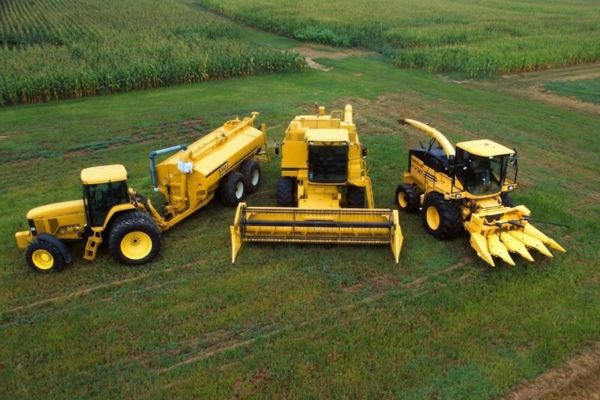
The right hydraulic cylinder matters because it acts as the main muscle behind agricultural equipment, converting fluid pressure into the mechanical force needed for heavy lifting. When you integrate the right hydraulic cylinder into your daily workflow, you immediately notice a drastic improvement in equipment reliability.
What Are Agricultural Fluid Systems?
Agricultural fluid systems are complex networks of pumps, valves, and cylinders designed to handle immense loads with minimal effort. You can easily lift heavy plows, adjust seeders, and operate front-end loaders without breaking a sweat.
Here is the deal: modern farming simply cannot function efficiently without these robust components. They provide consistent linear motion for lifting heavy equipment.
- They ensure consistent operational speed.
- They withstand harsh weather conditions.
- They reduce physical strain on operators.
Can Upgraded Parts Maximize Output?
Upgrading your machinery parts directly correlates to increased output and fewer frustrating breakdowns during peak harvest seasons. You will spend less time doing hydraulic cylinder repair and more time actually cultivating your fields.
By investing in superior components, you secure a smooth, uninterrupted farming operation that directly boosts your seasonal profits. The following data highlights the performance differences to help you clearly understand this impact.
| Feature | Traditional Methods | Upgraded Equipment |
| Speed | Slow And Manual | Fast And Automated |
| Precision | Low Accuracy | High Accuracy |
| Maintenance | Frequent Repairs | Minimal Downtime |
How Can The Right Hydraulic Cylinder Improve Crop Yields?
The right hydraulic cylinder improves crop yields by ensuring exact depth control during planting, which guarantees optimal seed placement and uniform growth. Using the right hydraulic cylinder allows you to maintain consistent soil penetration across uneven terrains.
Speeding Up Daily Harvest Operations
Harvesting requires swift, continuous movement that can easily overburden outdated mechanical linkages. You need powerful equipment that can effortlessly handle heavy loads without slowing down.
- They minimize frustrating equipment jams.
- They allow continuous harvesting cycles.
- They optimize fuel consumption rates.
Why Is Consistent Planting Depth Crucial?
Maintaining a consistent planting depth is essential for ensuring that every seed receives the precise amount of moisture and nutrients needed to thrive. Uneven planting inevitably leads to patchy fields and significantly lower overall crop yields.
Equipping your tractors with high-quality cylinders guarantees uniform growth, ultimately protecting your bottom line from unpredictable weather. This brief summary table illustrates how equipment upgrades directly influence your final yield.
| Metric | Standard Cylinders | Advanced Cylinders |
| Seed Depth | Variable | Consistent |
| Yield Rate | Average | High |
| Profit Margin | Moderate | Excellent |
Where Is The Right Hydraulic Cylinder Used In Attachments?
The right hydraulic cylinder is used in attachments like plows, cultivators, and loaders to adjust working angles and lift heavy materials safely. Finding the right hydraulic cylinder for your specific attachment guarantees that your machinery performs at its absolute best.
Enhancing Plow And Cultivator Angles
Tilling soil requires dynamic adjustments to match the changing density and composition of the earth beneath your tractor. You cannot rely on static tools when dealing with rocky or heavily compacted soil.
Here is the catch: failing to adjust your plow depth correctly can severely damage your expensive tractor engine.
- They cut through dense soil easily.
- They protect the tractor engine.
- They allow real-time angle tweaks.
Lifting Heavy Loads With Ease
Front-end loaders depend entirely on robust fluid dynamics to hoist heavy bales of hay, massive bags of fertilizer, and large rocks. Attempting these tasks with weak equipment compromises both your safety and your farm productivity.
Securing reliable lifting mechanisms empowers you to manage heavy agricultural materials safely, dramatically reducing the risk of workplace injuries. This comparison table demonstrates the lifting capabilities of different attachment systems.
| Attachment | Lifting Capacity | Safety Level |
| Cable Hoist | Low | Moderate |
| Mechanical Lever | Medium | Low |
| Hydraulic Loader | Extremely High | High |
How Does The Right Hydraulic Cylinder Enhance Tractor Power?
The right hydraulic cylinder enhances tractor power by efficiently transferring engine energy into raw lifting and pulling force without excessive mechanical loss. By maintaining the right hydraulic cylinder, you ensure that your tractor operates at peak performance during the toughest tasks.

Maximizing Engine Energy Transfer
Traditional mechanical linkages lose a significant amount of power through friction and wear over extended periods of heavy use. You are essentially burning expensive fuel without getting the full work output from your tractor.
The truth is: pressurized fluid systems deliver nearly all generated power directly to the working attachment.
- They reduce energy loss effectively.
- They lower overall fuel consumption.
- They prevent mechanical wear entirely.
Handling Extreme Farming Conditions
Farming does not stop for bad weather, meaning your tractor must perform flawlessly in deep mud, freezing rain, and scorching heat. Weak components will quickly fail when exposed to these brutal environmental factors day after day.
Relying on weather-resistant equipment guarantees that your farm stays productive regardless of what external elements throw your way. The following performance table highlights how power transfer methods compare under stress.
| Condition | Mechanical Link | Fluid Power |
| Deep Mud | Prone To Jamming | Smooth Operation |
| Extreme Heat | Overheats Quickly | Stable Temperature |
| Freezing Rain | Rusts Easily | Highly Resistant |
Why Is The Right Hydraulic Cylinder Key To Precision Farming?
The right hydraulic cylinder is key to precision farming because it integrates seamlessly with GPS systems to automate micro-adjustments in real-time. Choosing the right hydraulic cylinder enables you to apply fertilizers and seeds with pinpoint accuracy.
Integrating GPS And Sensors
Modern agriculture relies heavily on satellite data to map out fields and determine the exact needs of different soil zones. You can no longer afford to treat an entire field with a uniform application of chemicals.
What does this mean for you? Your machinery can automatically adjust its behavior based on live sensor feedback.
- They read GPS data instantly.
- They prevent chemical overlapping.
- They target specific soil zones.
Reducing Agricultural Waste
Over-applying expensive fertilizers and pesticides not only wastes your hard-earned money but also damages the surrounding local ecosystem. You need equipment that dispenses exact quantities precisely where the crops need them most.
Embracing precision tools significantly cuts down your chemical expenses while simultaneously promoting a healthier, more sustainable environment. This data table outlines the waste reduction achieved through precision agriculture.
| Method | Chemical Waste | Cost Efficiency |
| Broadcast Spreading | Very High | Poor |
| Manual Spraying | Moderate | Average |
| Precision Delivery | Near Zero | Excellent |
Can The Right Hydraulic Cylinder Reduce Manual Farm Labor?
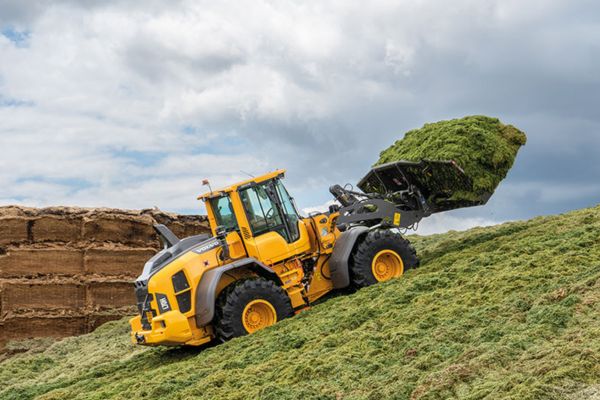
The right hydraulic cylinder can reduce manual farm labor by fully automating physically demanding tasks that previously required multiple human workers. When you utilize the right hydraulic cylinder, you free up your staff to focus on higher-value management activities.
Automating Repetitive Daily Chores
Tasks like feeding livestock, moving heavy equipment, and adjusting heavy gates demand immense physical exertion from your farmhands. You are wasting valuable human resources on jobs that machines can handle much faster.
Consider this: automating these chores dramatically lowers your daily payroll expenses and eliminates scheduling conflicts.
- They handle livestock feed distribution.
- They open heavy barn doors.
- They clear heavy debris effortlessly.
Addressing Rural Labor Shortages
Finding reliable agricultural workers is becoming increasingly difficult as younger generations migrate toward urban centers for different career opportunities. You must find ways to maintain high productivity levels with a significantly smaller workforce.
Transitioning to mechanized labor solutions empowers your farm to thrive and expand even when reliable manual laborers are scarce. The table below compares the labor requirements of different operational setups.
| Task | Manual Laborers Needed | Mechanized Setup |
| Loading Bales | Four To Five | One Operator |
| Tilling Soil | Two To Three | One Operator |
| Clearing Debris | Three To Four | One Operator |
How Will The Right Hydraulic Cylinder Shape Autonomous Farms?
The right hydraulic cylinder will shape autonomous farms by serving as the reliable physical actuators for computer-driven, driverless agricultural vehicles. Installing the right hydraulic cylinder ensures that robotic tractors can interact with their environment safely and effectively.
Powering Driverless Tractors
Autonomous tractors navigate fields using complex algorithms, but they still rely on physical components to steer, brake, and operate attachments. You need responsive actuators that can execute software commands without any noticeable delay or hesitation.
The best part? These driverless systems can operate around the clock without ever needing a break.
- They execute instant steering commands.
- They enable precise automated braking.
- They work seamlessly at night.
Enhancing Robotic Harvesting Tools
Harvesting delicate crops like fruits and vegetables requires a gentle touch that traditional, bulky machinery simply cannot provide consistently. You must use advanced robotic arms equipped with highly sensitive fluid control systems.
Adopting these futuristic harvesting technologies allows you to pick delicate produce rapidly without causing expensive bruising or damage. This analytical table visualizes the benefits of transitioning to autonomous farming methods.
| Operation Mode | Working Hours | Error Rate |
| Human Driven | Ten To Twelve | Moderate |
| Semi-Autonomous | Sixteen To Eighteen | Low |
| Fully Autonomous | Twenty-Four Hours | Near Zero |
What Makes The Right Hydraulic Cylinder Environmentally Safe?
The right hydraulic cylinder is environmentally safe because modern designs feature advanced sealing technologies that strictly prevent toxic fluid leaks into the soil. Utilizing the right hydraulic cylinder protects your local groundwater while keeping your machinery compliant with environmental regulations.
Preventing Dangerous Fluid Leaks
Traditional systems often suffer from blown seals and degraded hoses, spilling hazardous oil directly onto your fertile planting grounds. You cannot risk contaminating your soil, as it takes years for the earth to recover from chemical spills.
Now, look at this: modern seals are specifically engineered to withstand extreme pressures without rupturing.
- They use eco-friendly synthetic fluids.
- They feature reinforced external seals.
- They resist corrosive agricultural chemicals.
Promoting Sustainable Agriculture
Sustainable farming focuses on maximizing crop yields while minimizing the long-term negative impact on the surrounding natural ecosystem. You play a crucial role in preserving the environment for future generations of farmers and consumers.
Upgrading to leak-proof fluid systems ensures that your agricultural practices remain both highly profitable and exceptionally eco-friendly.
How To Select The Right Hydraulic Cylinder For Your Farm?
You can select the right hydraulic cylinder by carefully evaluating your tractor operating pressure, required stroke length, and specific daily tasks. Knowing exactly how to choose the right hydraulic cylinder prevents premature equipment failure and saves you money.
Calculating Necessary Bore Size
The bore size determines the absolute maximum force your equipment can generate when lifting heavy materials or digging into compacted soil. You must accurately calculate the weight of your typical loads before making any purchasing decisions.
Why does this matter? An undersized bore will constantly stall, while an oversized one wastes valuable energy.
- They match engine output perfectly.
- They prevent system overheating.
- They ensure smooth lifting motions.
Considering Operating Environments
Cylinders exposed to harsh chemicals, saltwater, or extreme temperatures require specialized protective coatings to prevent rapid corrosion and structural degradation. You must assess the specific environmental hazards present on your farm before finalizing your equipment choices.
Carefully matching your equipment specifications to your unique farming environment guarantees decades of reliable service and lower replacement costs. This final summary table provides a quick reference guide for selecting your equipment.
| Environment | Recommended Material | Coating Type |
| Standard Field | Carbon Steel | Standard Paint |
| High Moisture | Stainless Steel | Chrome Plated |
| Corrosive Soil | Specialized Alloy | Epoxy Coating |
Conclusion
In conclusion, upgrading your agricultural machinery is a critical step toward securing long-term profitability and staying competitive in today’s demanding market. This article solved your concerns about equipment inefficiency, sluggish tractor performance, and frequent mechanical breakdowns by guiding you toward optimal fluid power solutions. We can provide you with top-tier, durable components that drastically reduce your maintenance downtime and boost your daily harvest output. If you are ready to transform your farming operations, contact us today to explore our extensive range of high-performance products.
FAQ
Can I repair my old cylinders instead of buying new ones?
Yes, you can absolutely repair them. Replacing worn seals and damaged rods is a cost-effective way to extend the lifespan of your existing equipment without spending money on a completely new unit.
What’s the best way to prevent unexpected leaks?
Regular visual inspections are the best prevention method. Checking your hoses and seals weekly allows you to spot minor abrasions and replace them before they turn into major, expensive oil spills.
How do I know if my cylinder is failing?
Slow lifting speeds are a clear indicator of failure. If your tractor struggles to lift loads it previously handled with ease, you likely have internal fluid bypass issues or severely degraded pump pressure.
Can I install these components myself?
Yes, basic installations are manageable. If you have standard mechanical tools and a solid understanding of safety protocols, you can replace most standard attachments, though complex systems may require professional assistance.
What’s the best fluid to use in cold weather?
Low-viscosity synthetic oils are the best choice. These specialized fluids resist thickening in freezing temperatures, ensuring that your machinery responds instantly and operates smoothly during harsh winter months.